
Real Fixes for Plus-Size Bras, Bad Bra Straps Edition
If your bra straps leave angry red marks on your shoulders by the end of the day, let’s clear something up straight away, it’s not your body’s fault. Strap pain is one of the most common plus size bra problems, and it’s almost always a sign that something else in the bra isn’t doing its job properly. In most cases, it happens because the band, cups, and straps are designed in the right proportions for each size.
As New Zealand bra experts, we’re here to talk about why straps dig in, what you can do about it, and how to find the best plus size bras in the future.
Why bra straps dig in (and why it’s not you)
In a well-fitting bra, straps are there to fine-tune the fit, not to hold the full weight of your breasts. If your straps are digging in, it usually means they’re being forced to do all the heavy lifting.
For women with a larger bust, that’s going to lead straight to strap pain, sore shoulders, and the urge to take your bra off the moment you walk through the door. The problem isn’t that your bust is “too heavy”, it’s that it’s being supported by the wrong part of the bra.
Read more in Is Your Bra Doing the Work, or Are Your Straps?
Choosing the right bra size
Support should come from the band, not the straps. If your band is too loose, it’s not anchoring your bra against your body, so everything is left to gravity, with only your straps to step in and compensate. That’s when you get digging, slipping, and shoulder pain.
A quick test:
-
If your bra does up on the tightest hook from day one, the band is too big.
-
If you can pull the band several centimetres away from your body, it’s too loose.
-
If the back rides up instead of sitting level, it’s not supporting you properly.
How to know if you’re wearing the right band size
Here’s a simple way to tell whether your bra is working with you or against you. Put your bra on and loosen the straps slightly. Then stand naturally and see what happens.
If everything drops immediately, your band isn’t doing enough. In a good bra, you should still feel supported even before tightening the straps properly. The straps themselves should only be used to bring the fabric of the top of your bra flush against your skin. Once you adjust them, they should sit comfortably without digging or slipping.
The right plus size strap width and cups matter
Straps digging in isn’t just about tightness. Strap width and cup design play a huge role too.
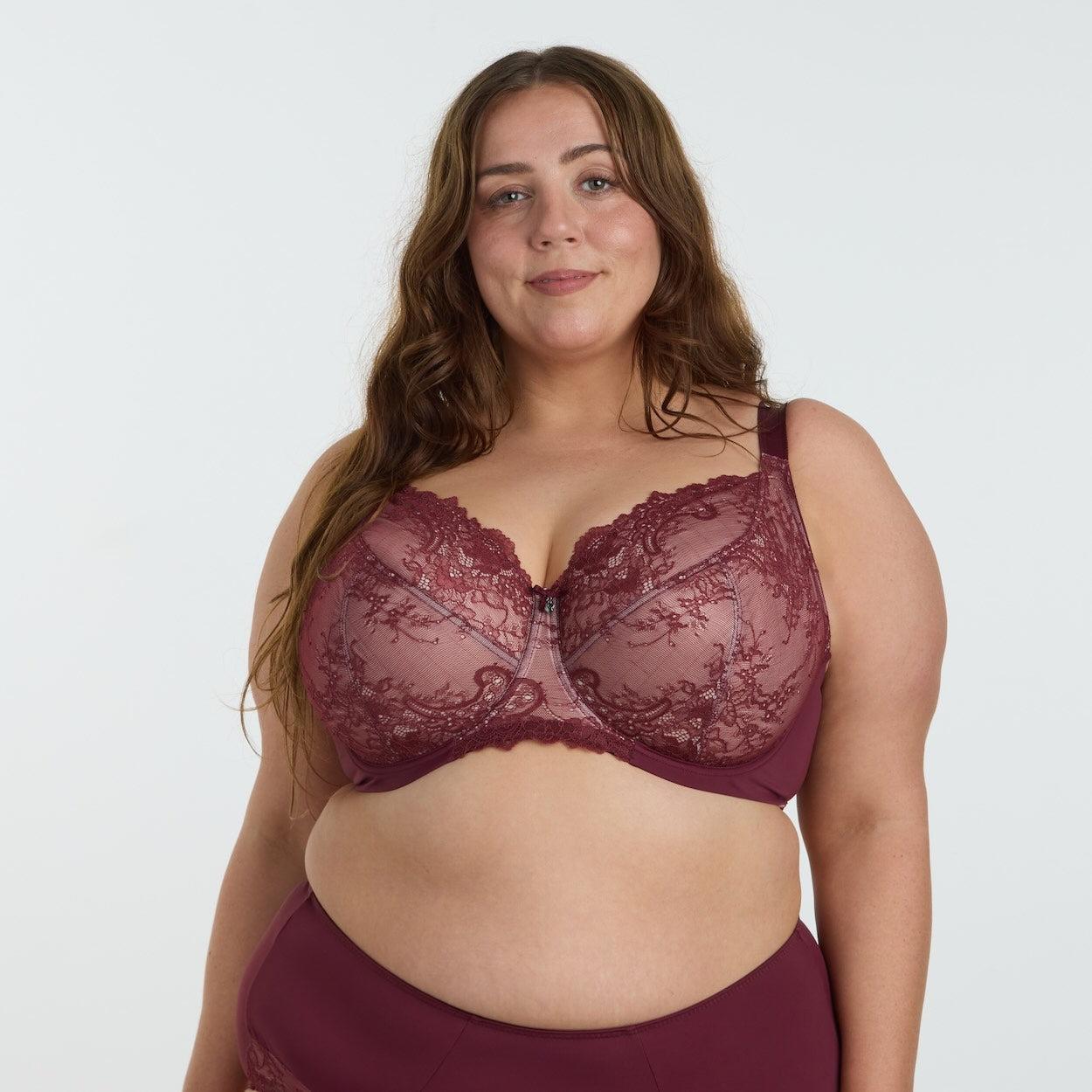
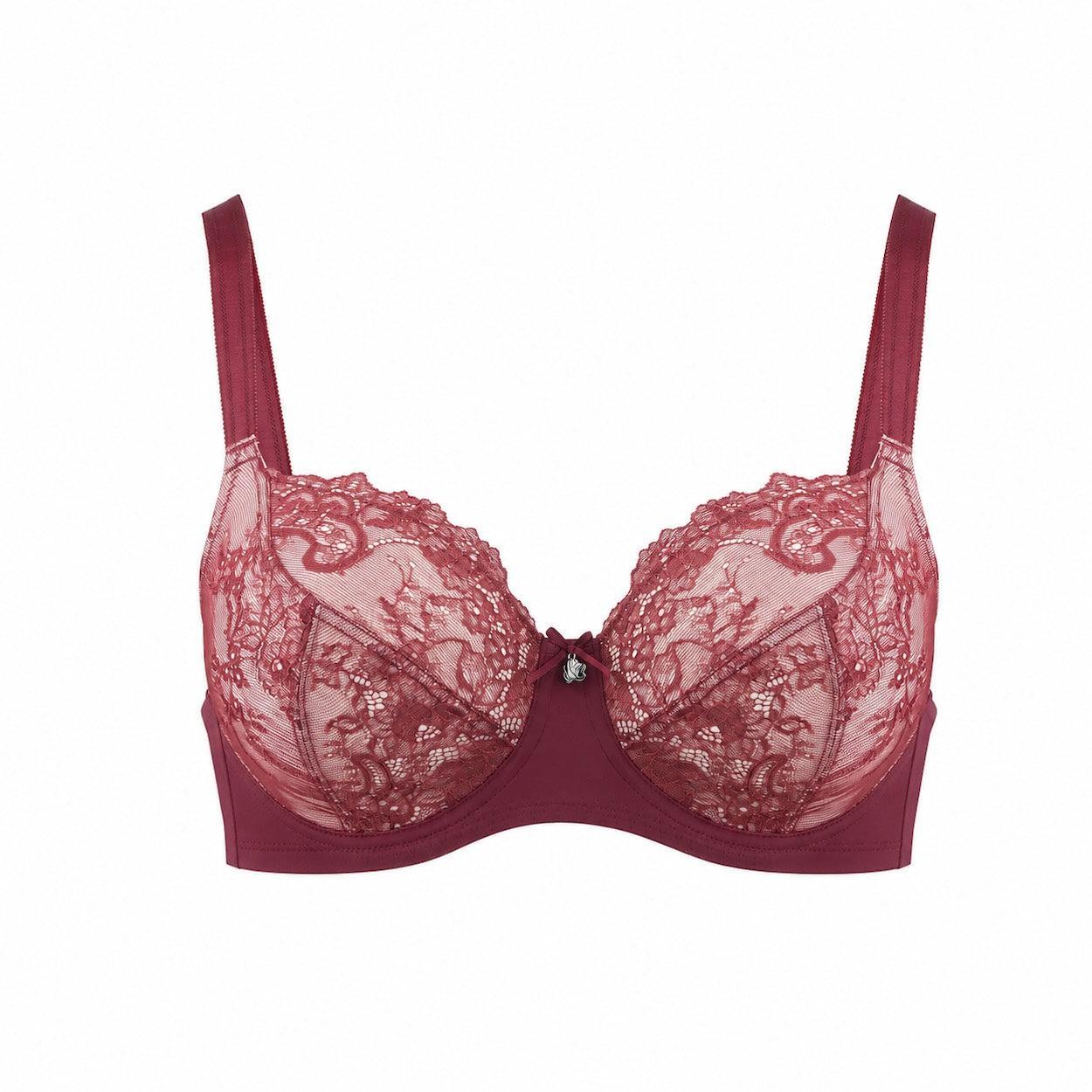
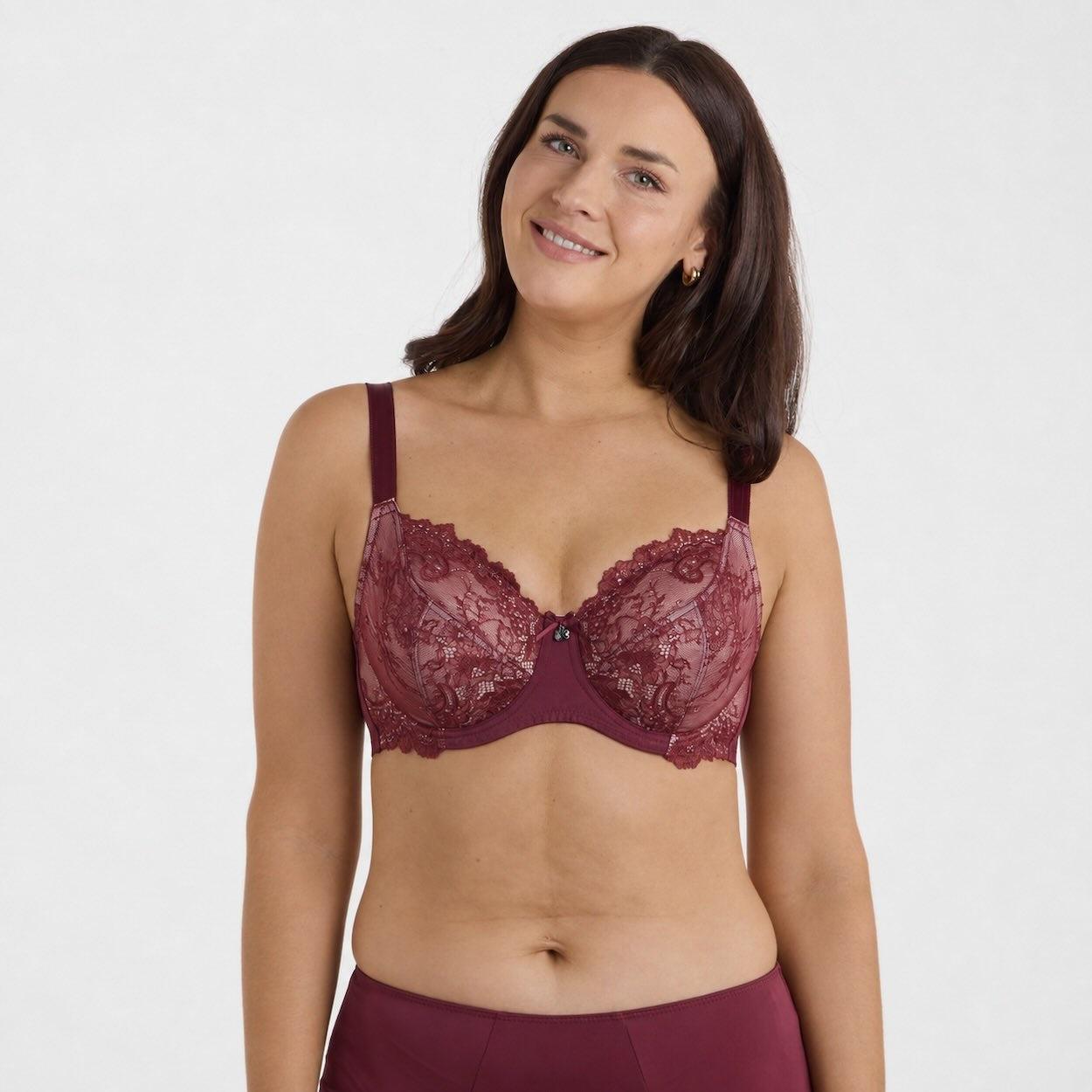
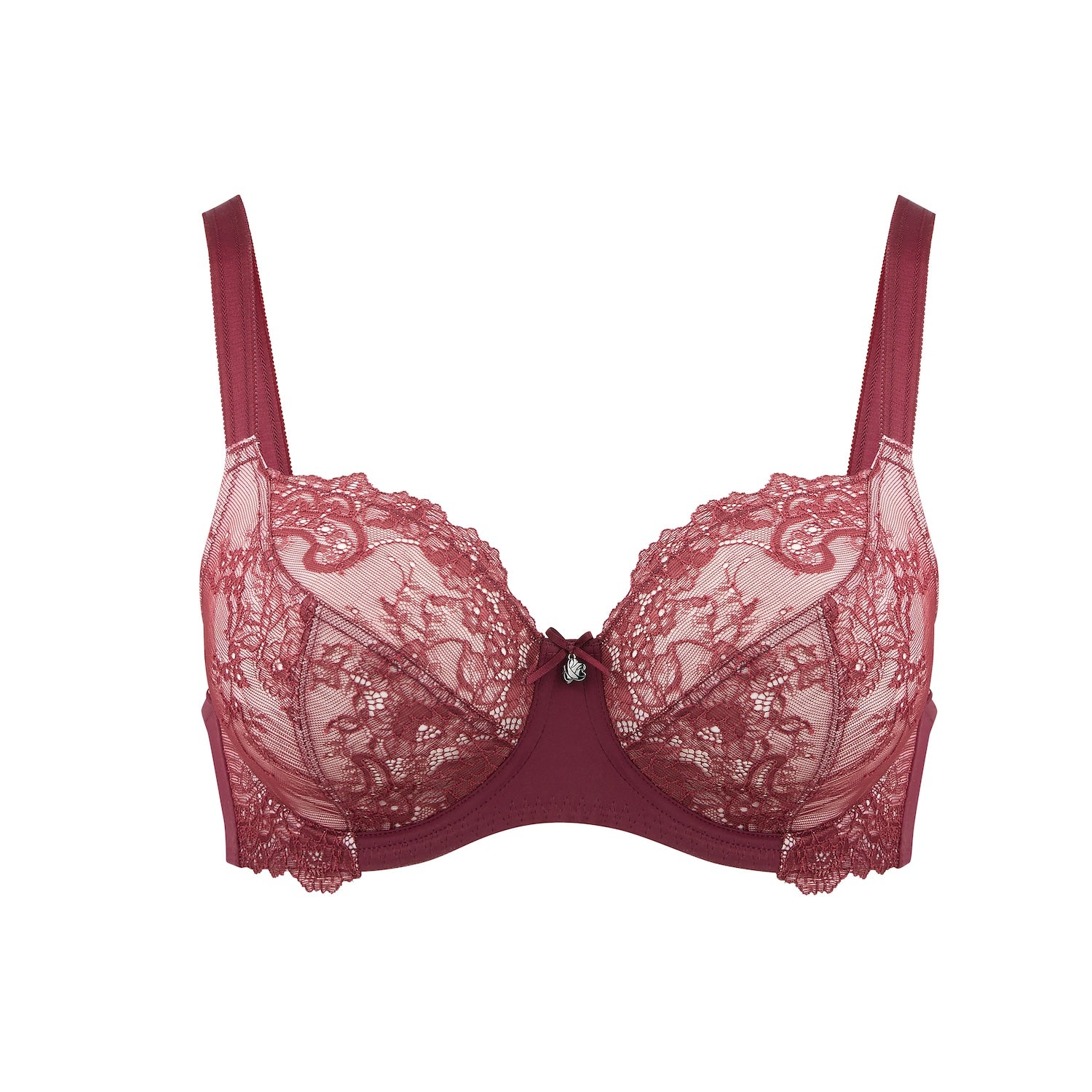
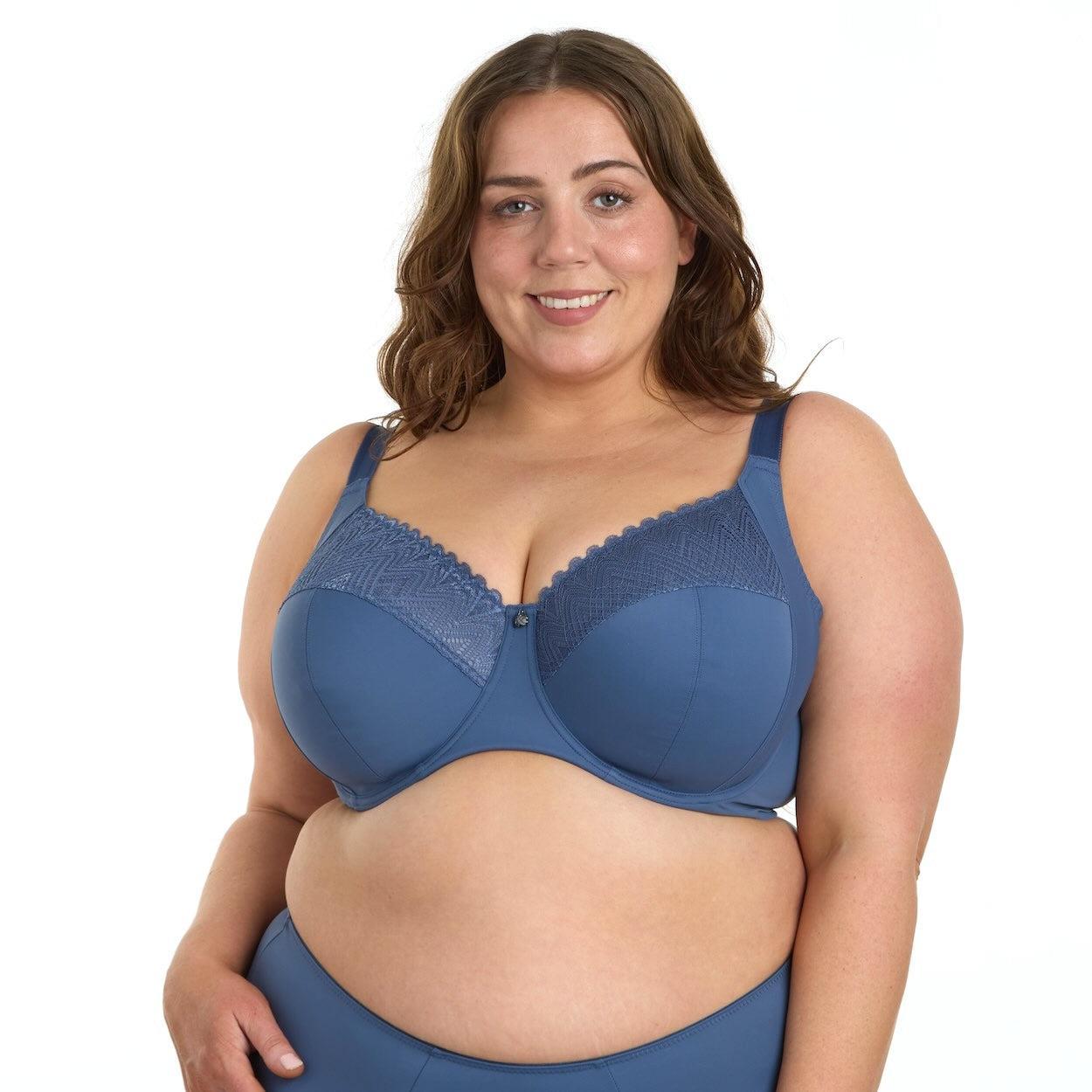
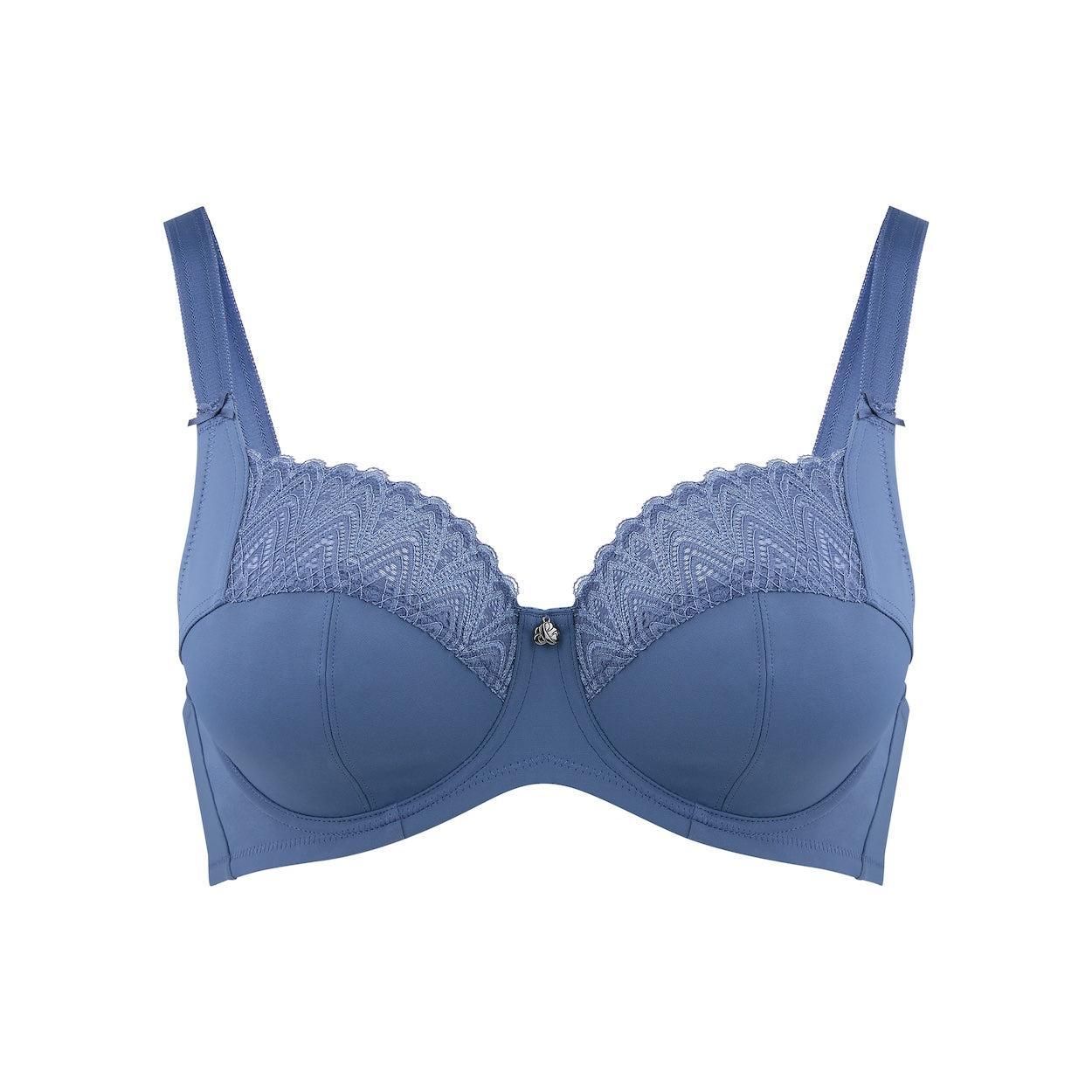
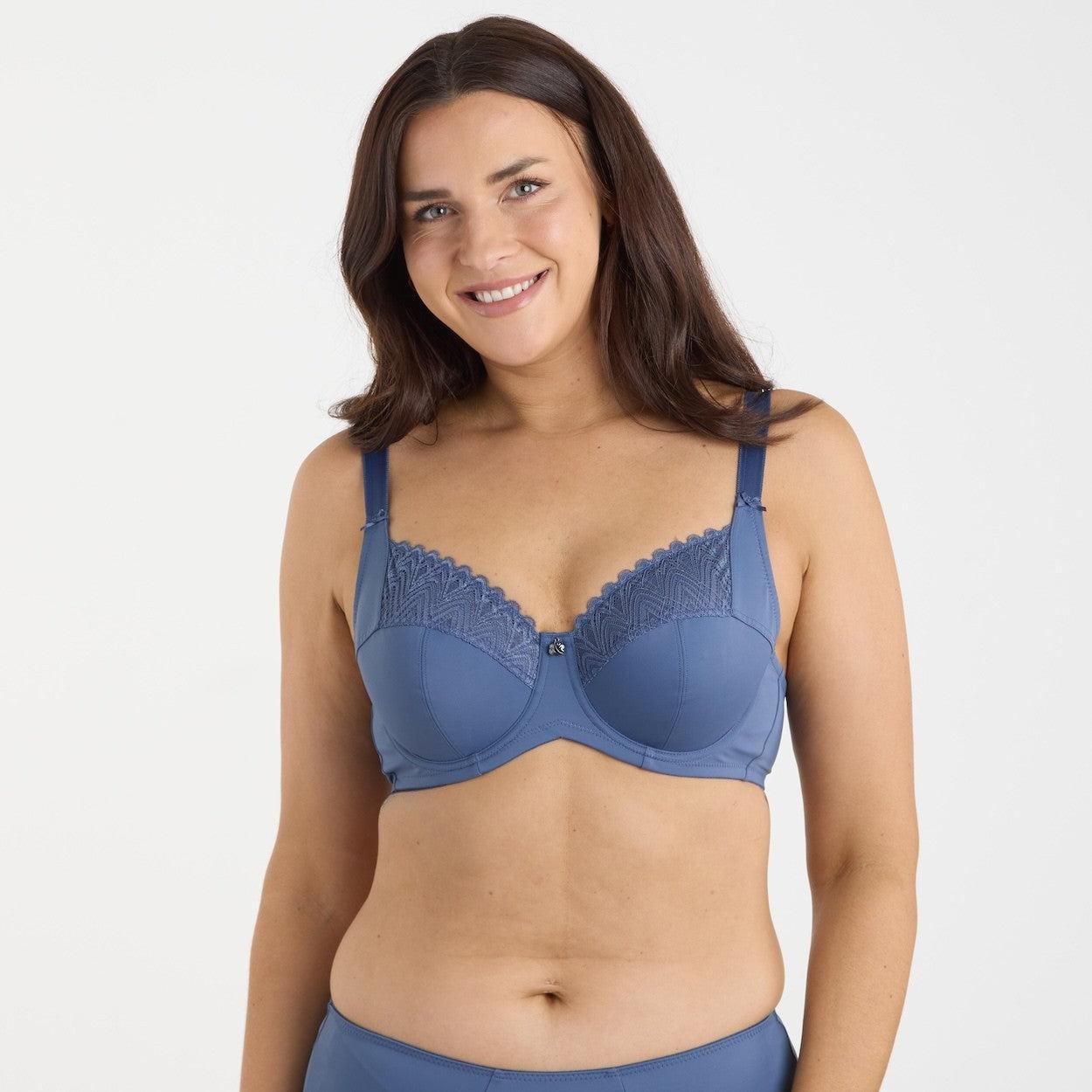
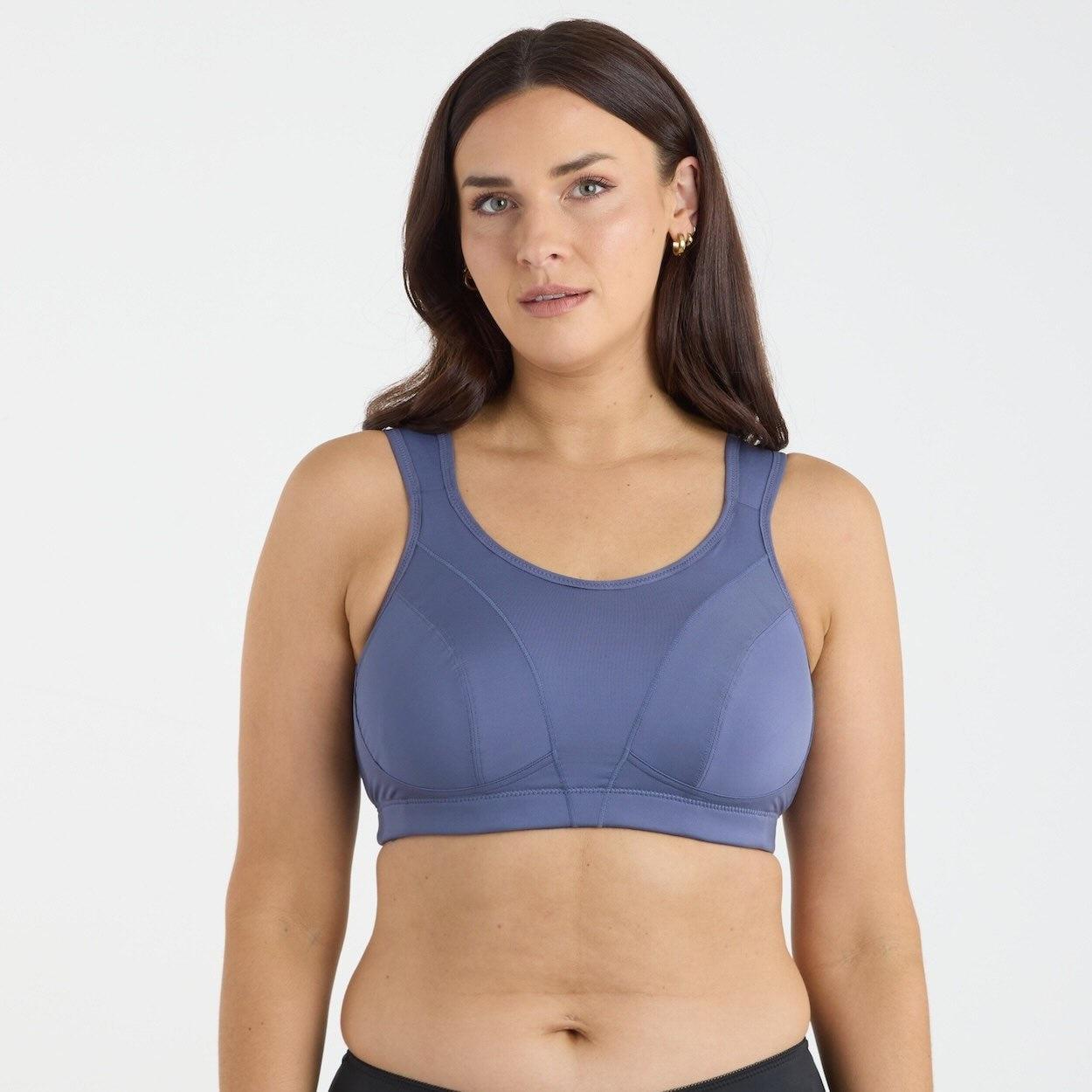
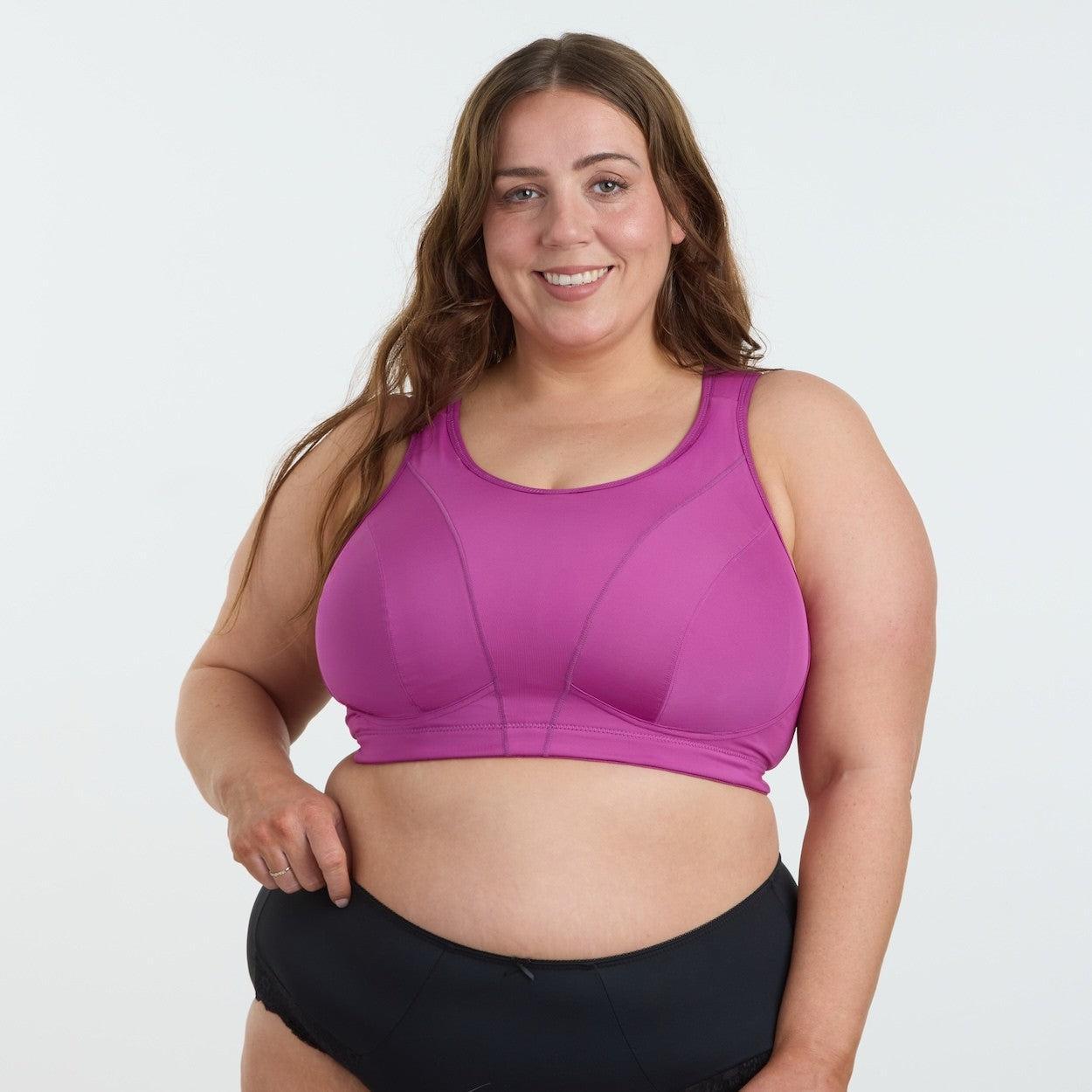
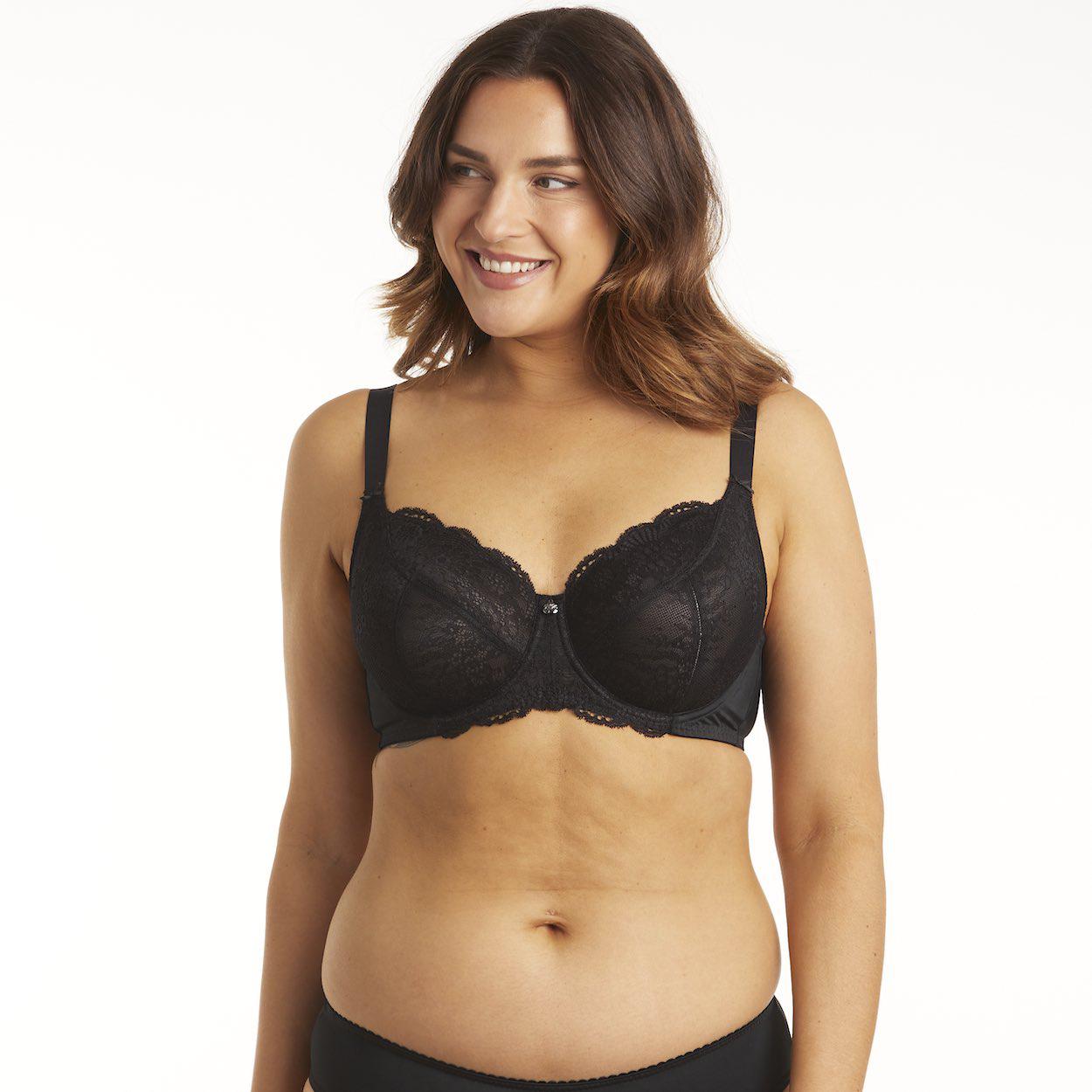
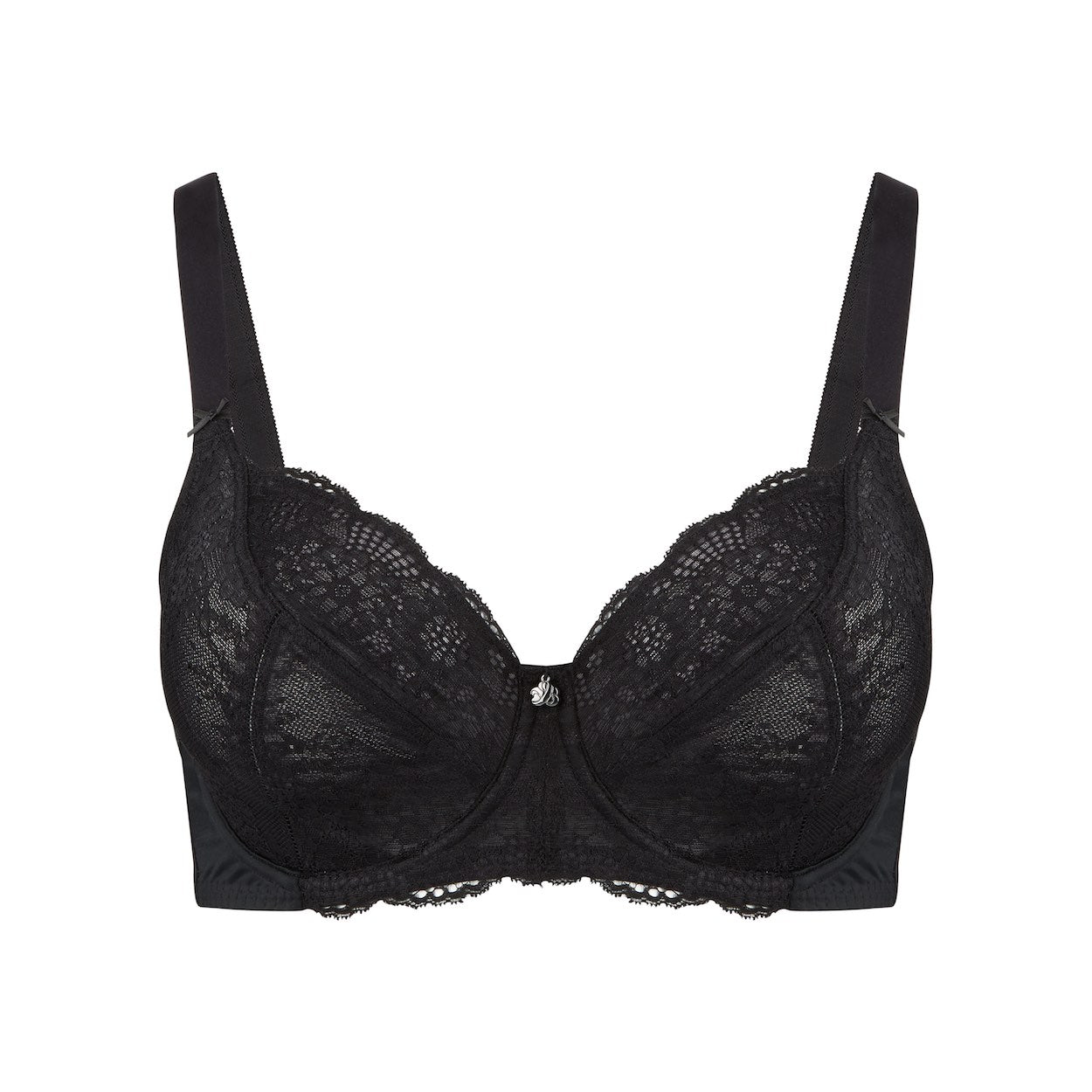
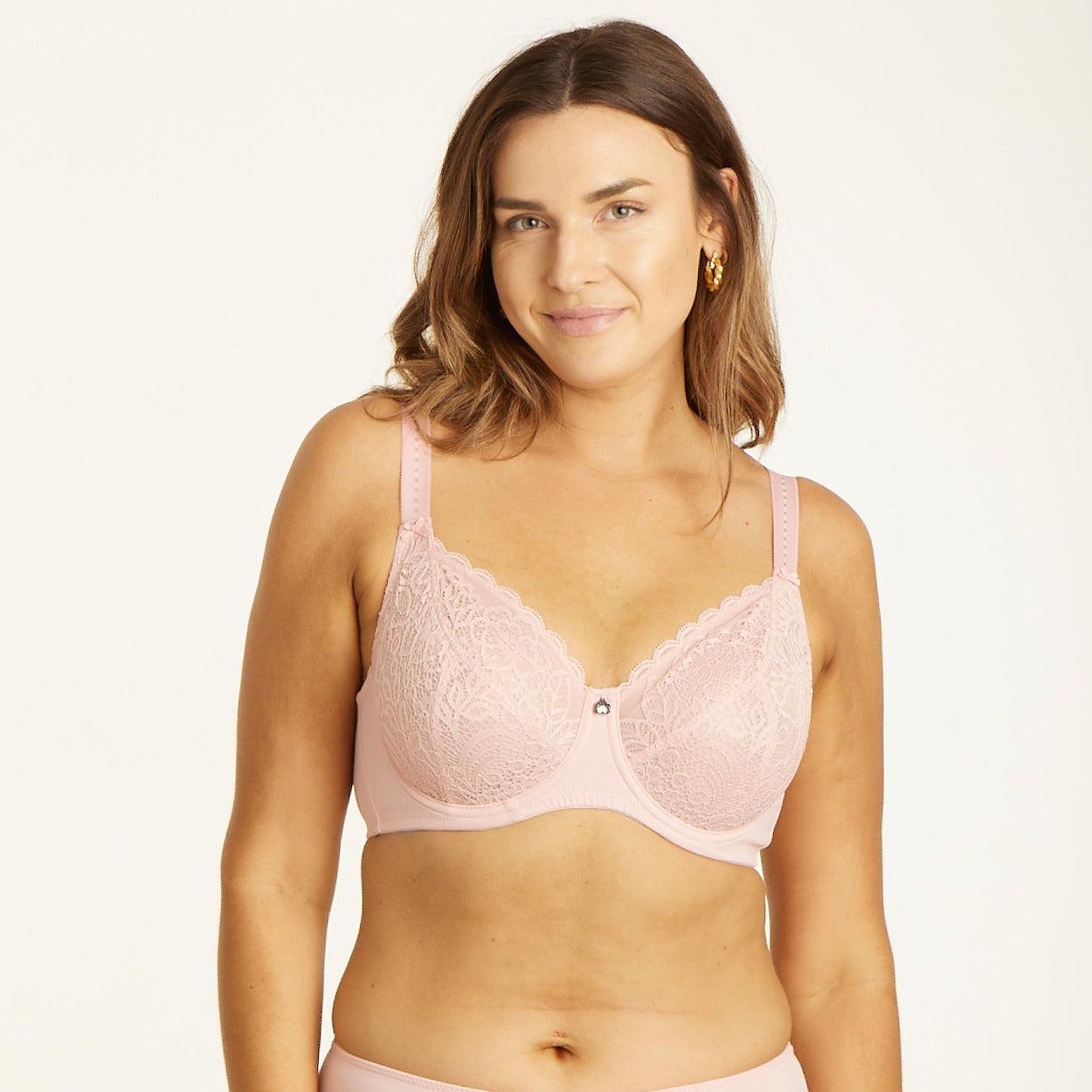
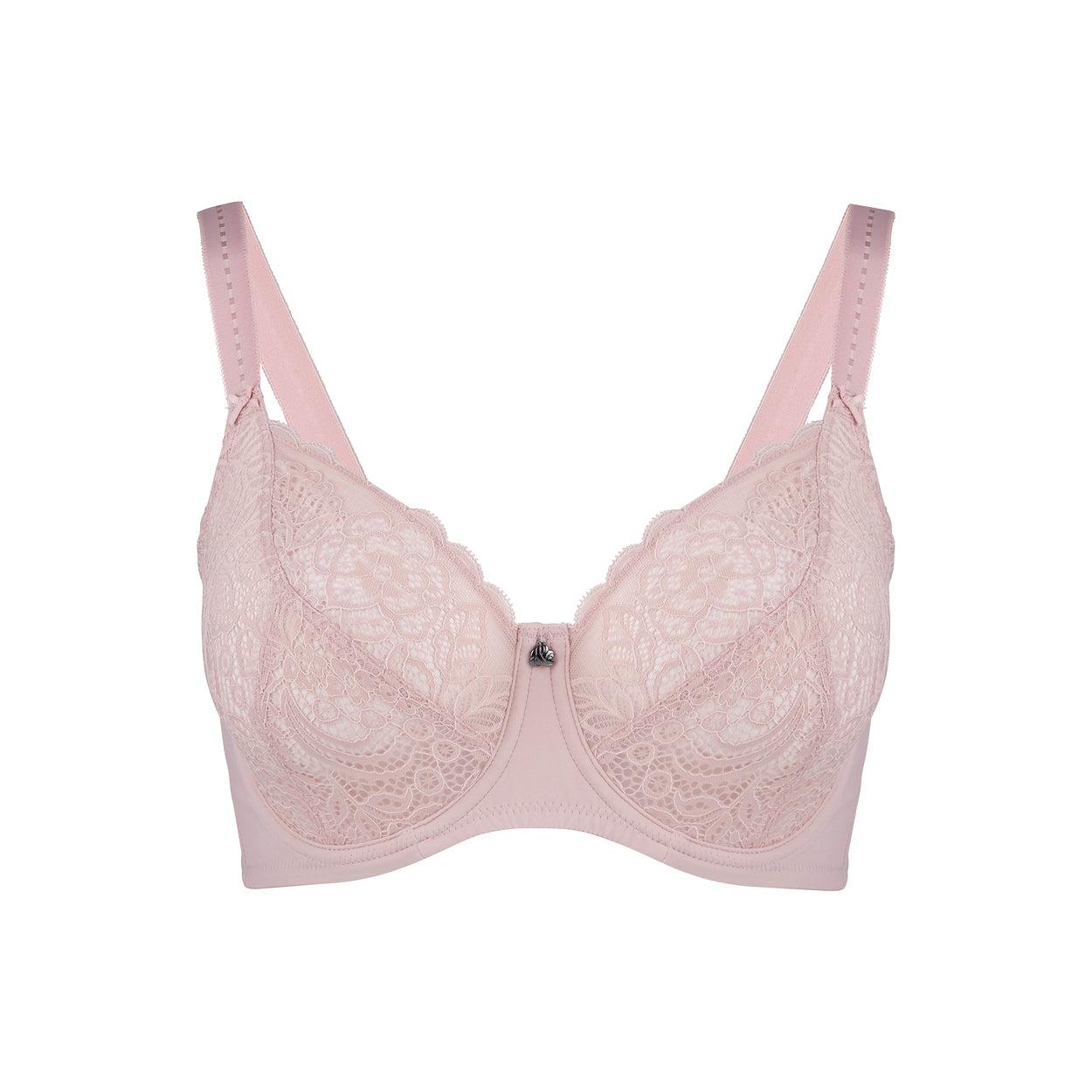
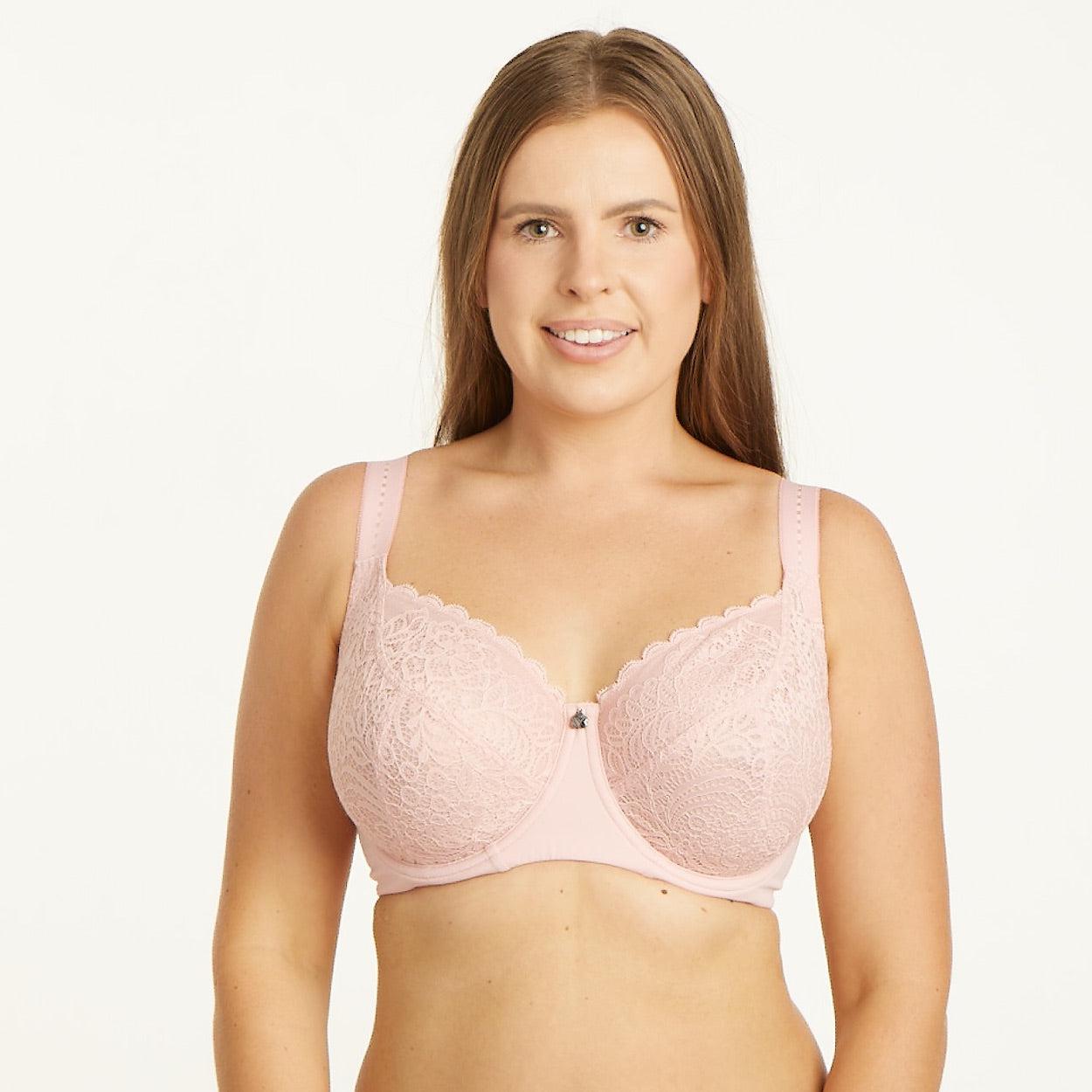
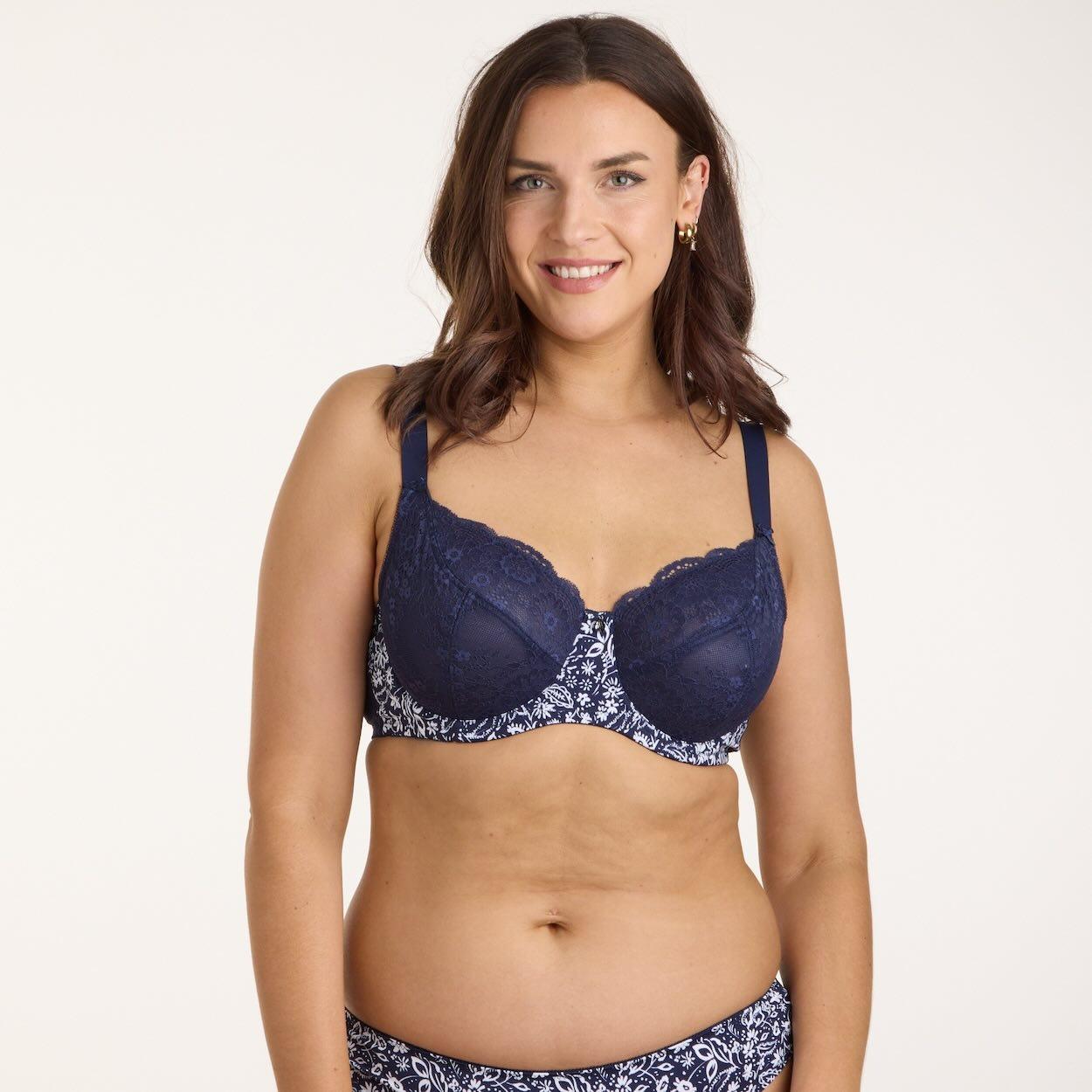
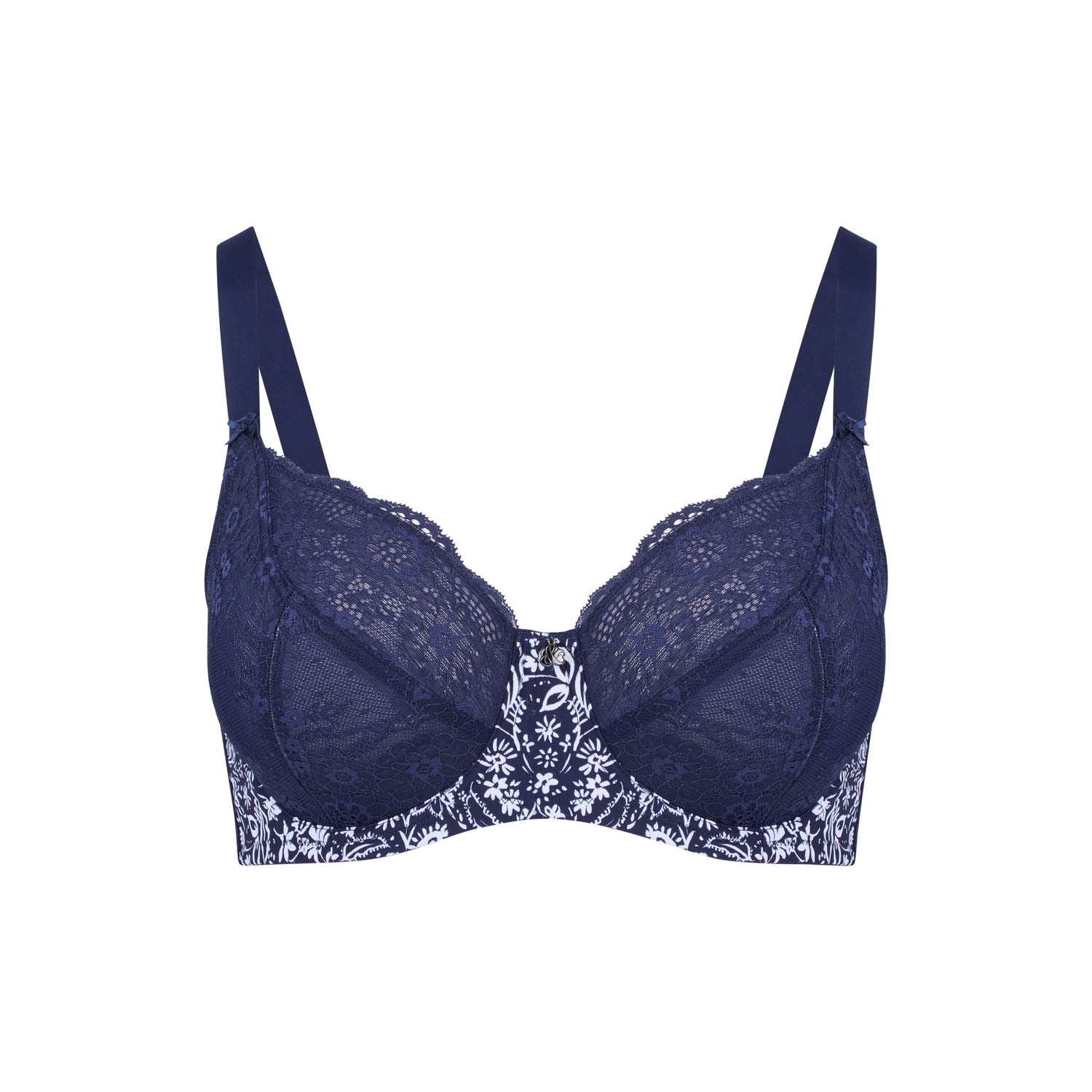
Narrow straps concentrate pressure in one spot, which can be uncomfortable for a large bust. Wider straps spread the weight more evenly across your shoulders, making a noticeable difference over a full day of wear.
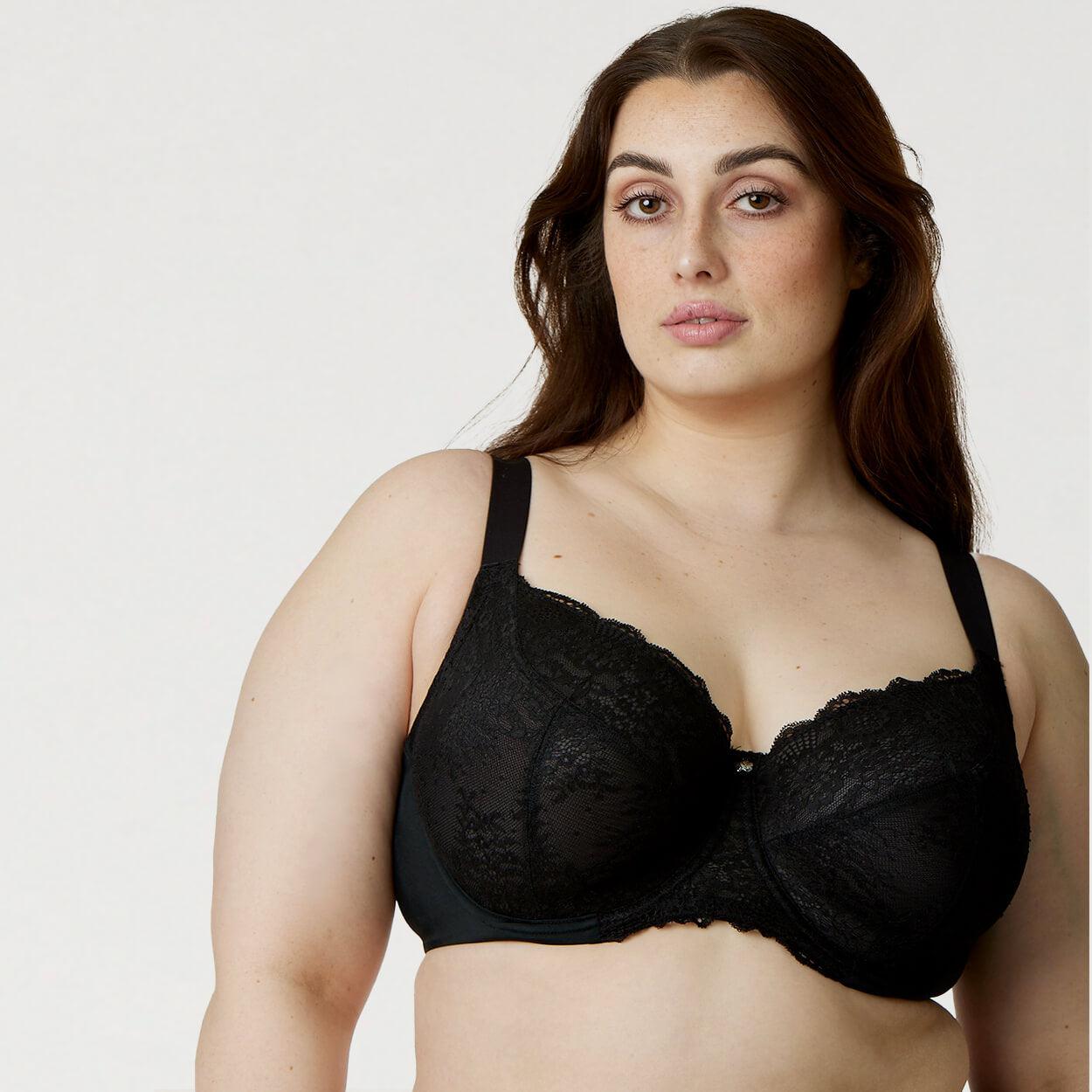
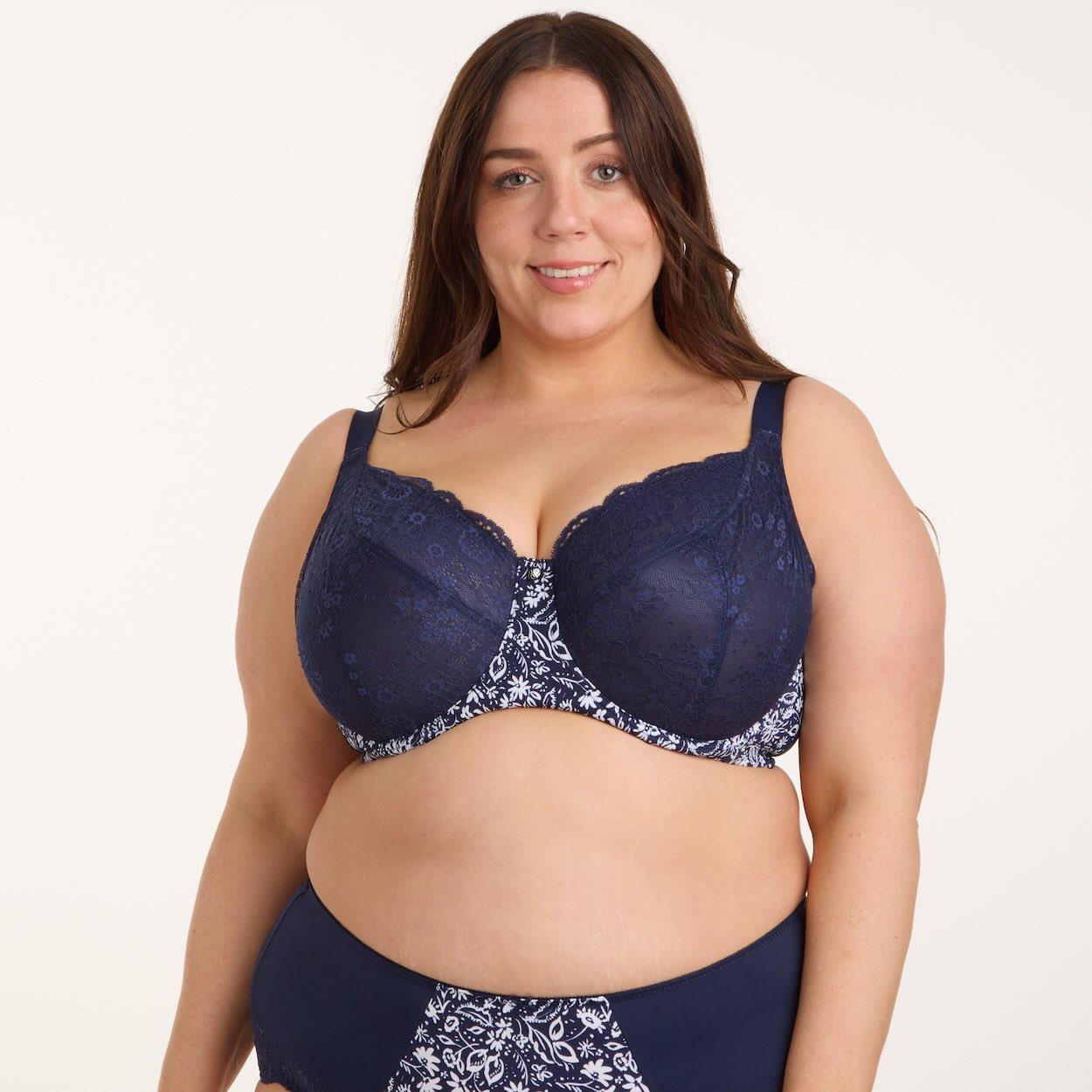
Cup volume matters just as much. If your cups are too small, breast tissue spills upward or sideways, shifting the balance of the bra and pulling on the straps. That’s why bras for large busts need enough depth and side support to hold everything in place, not just at the front.
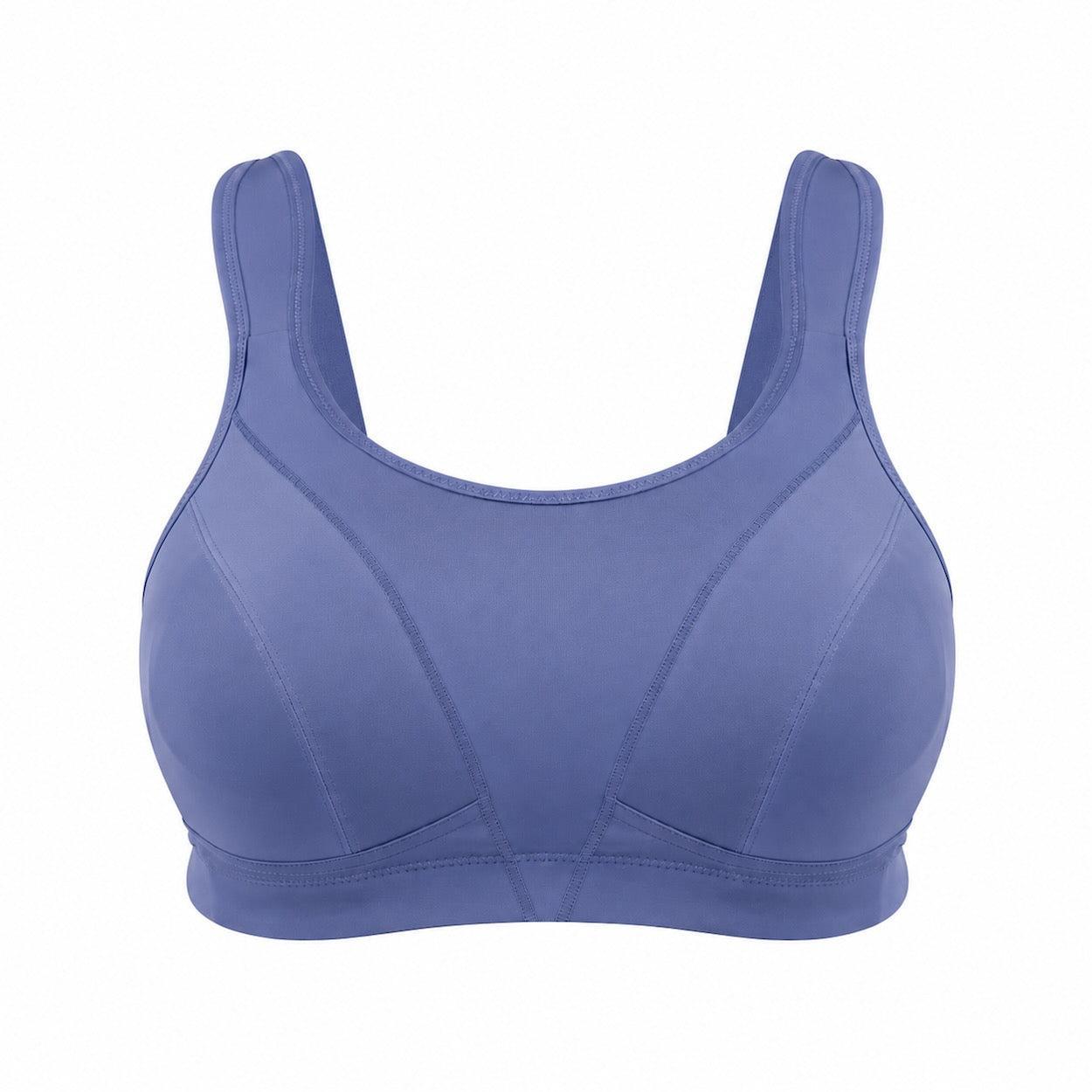
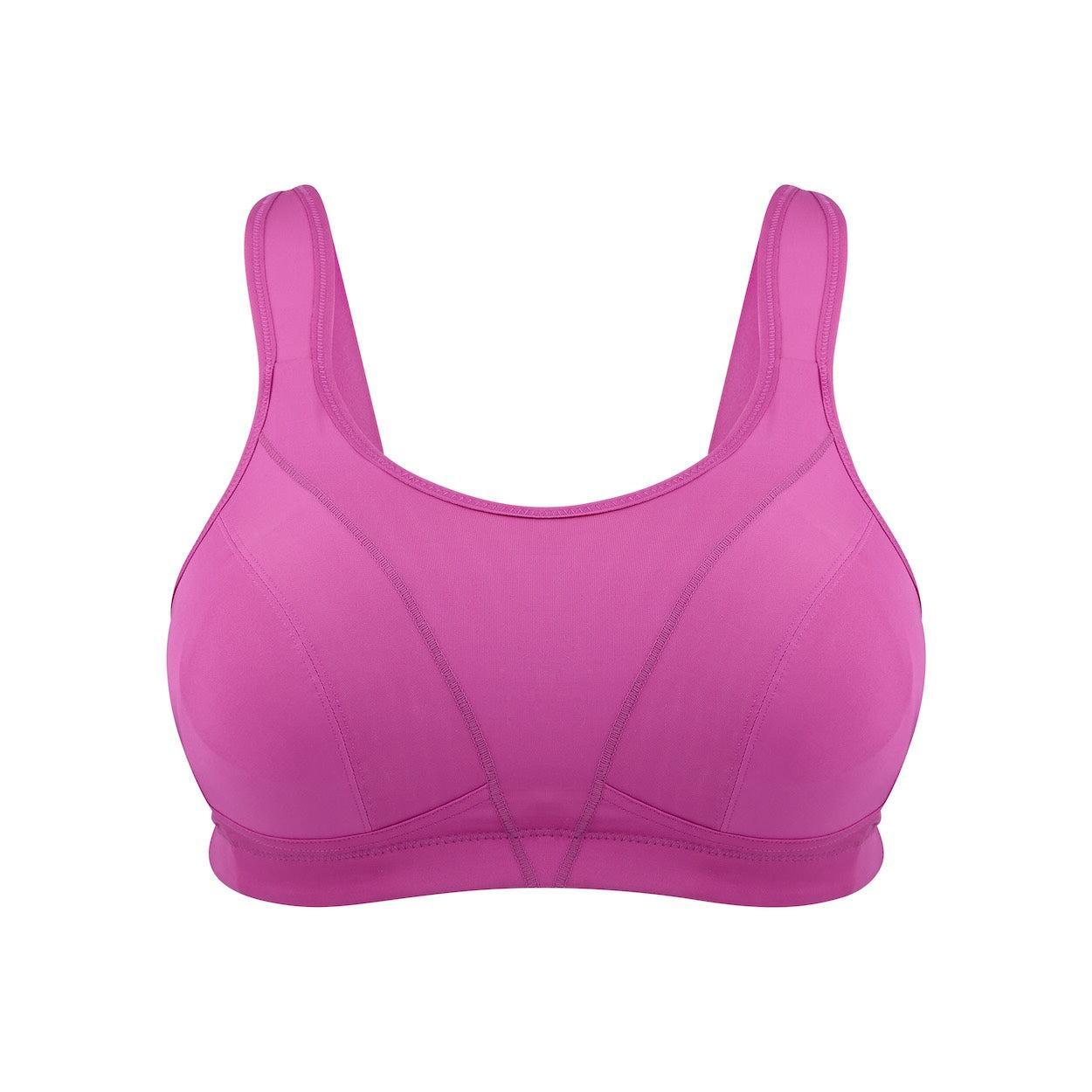
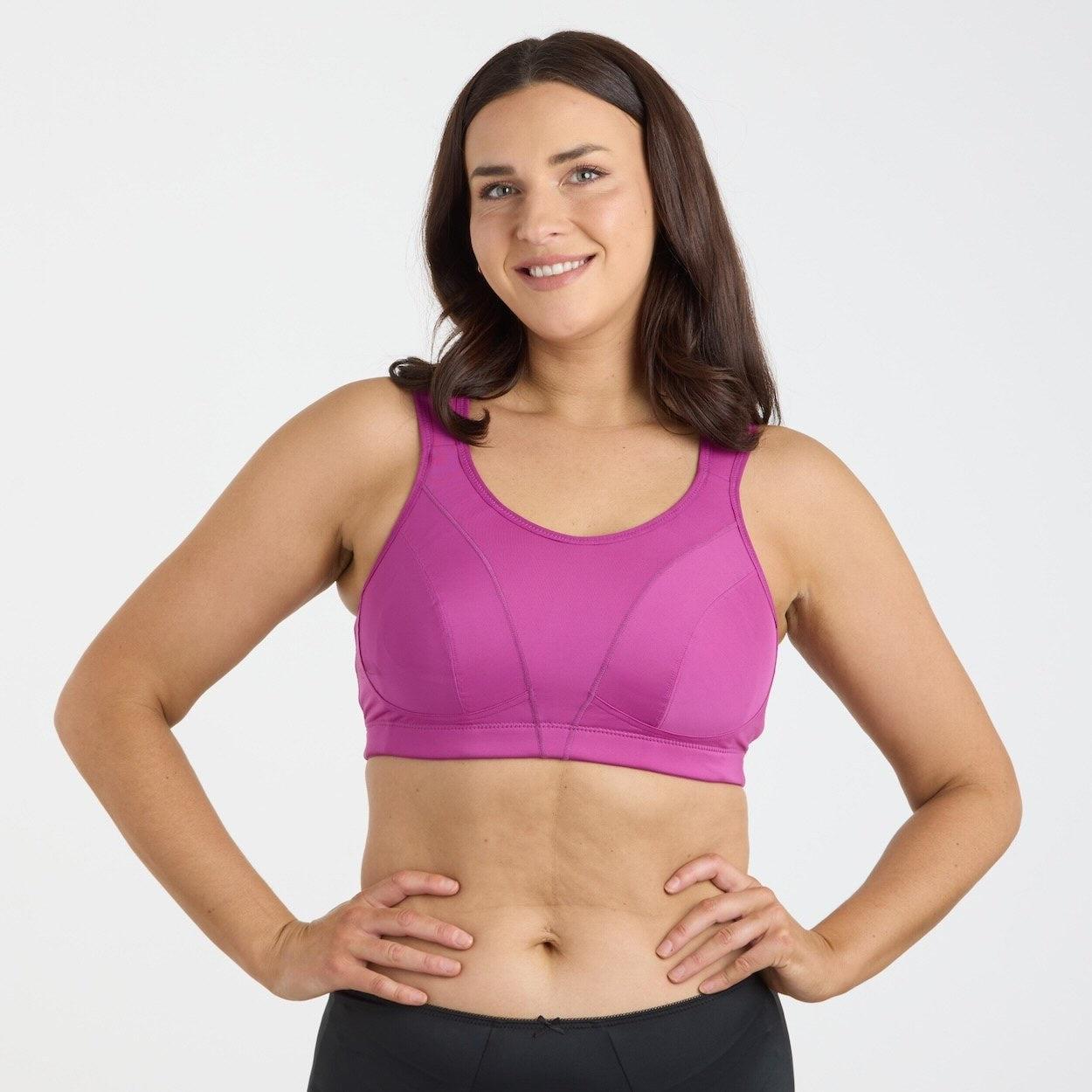
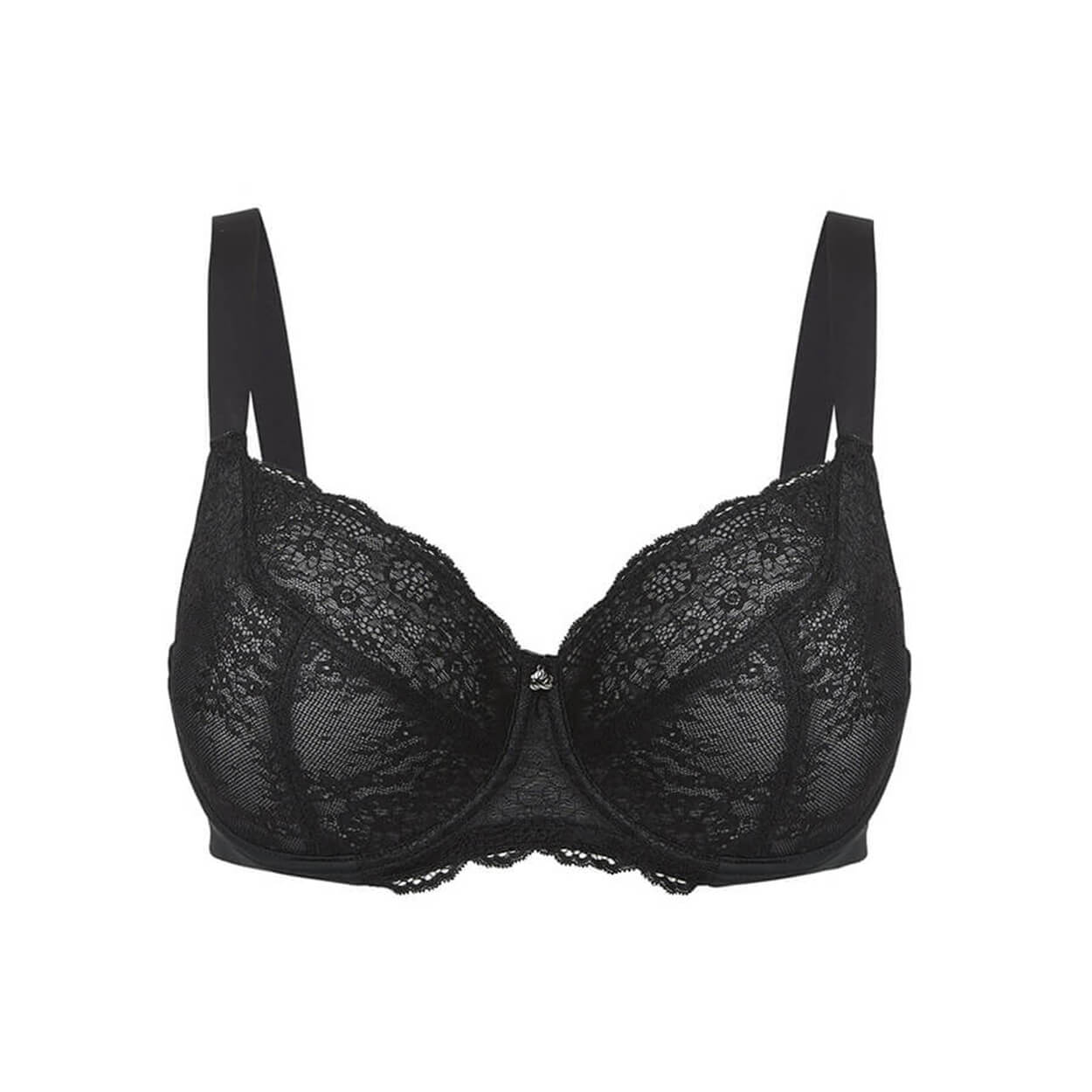
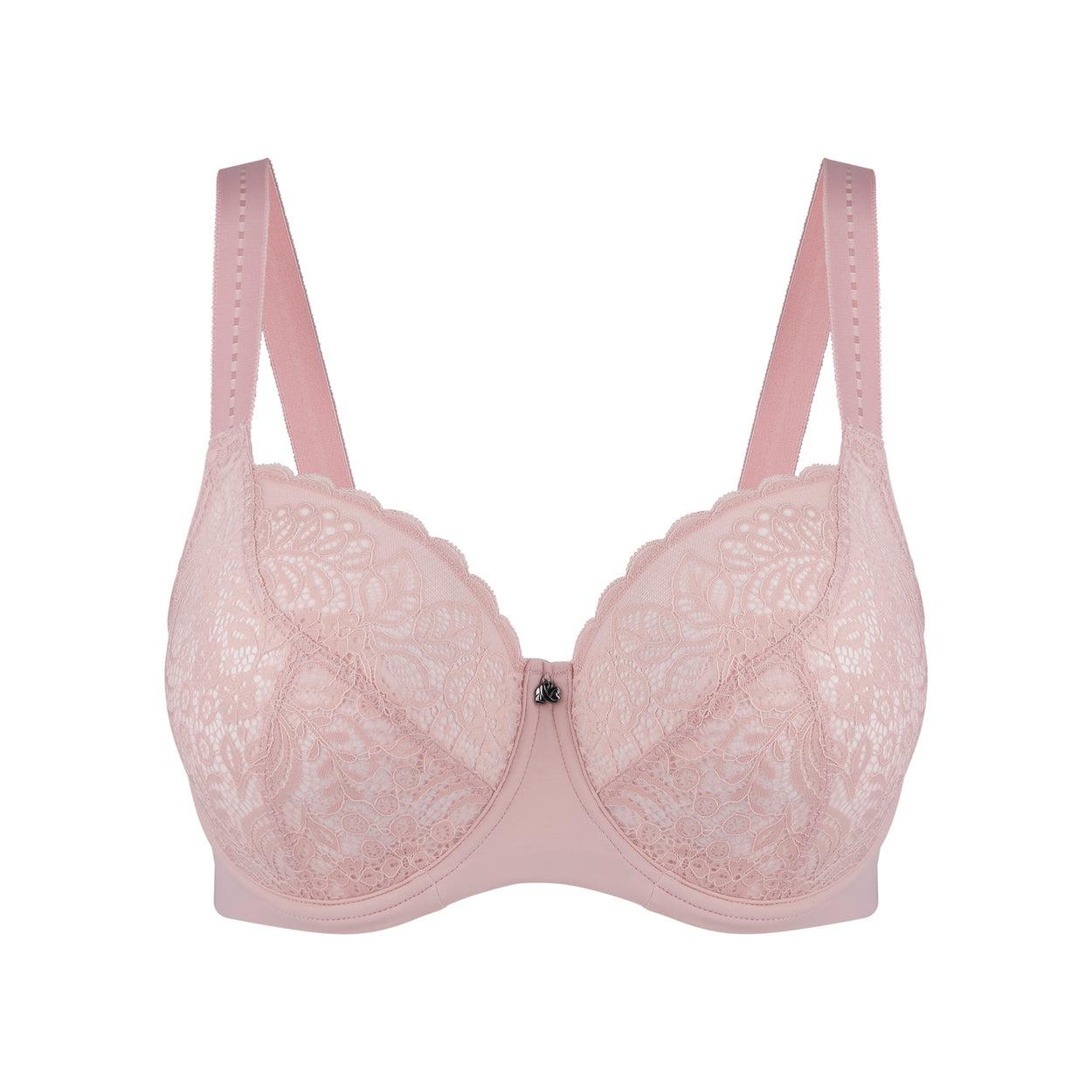
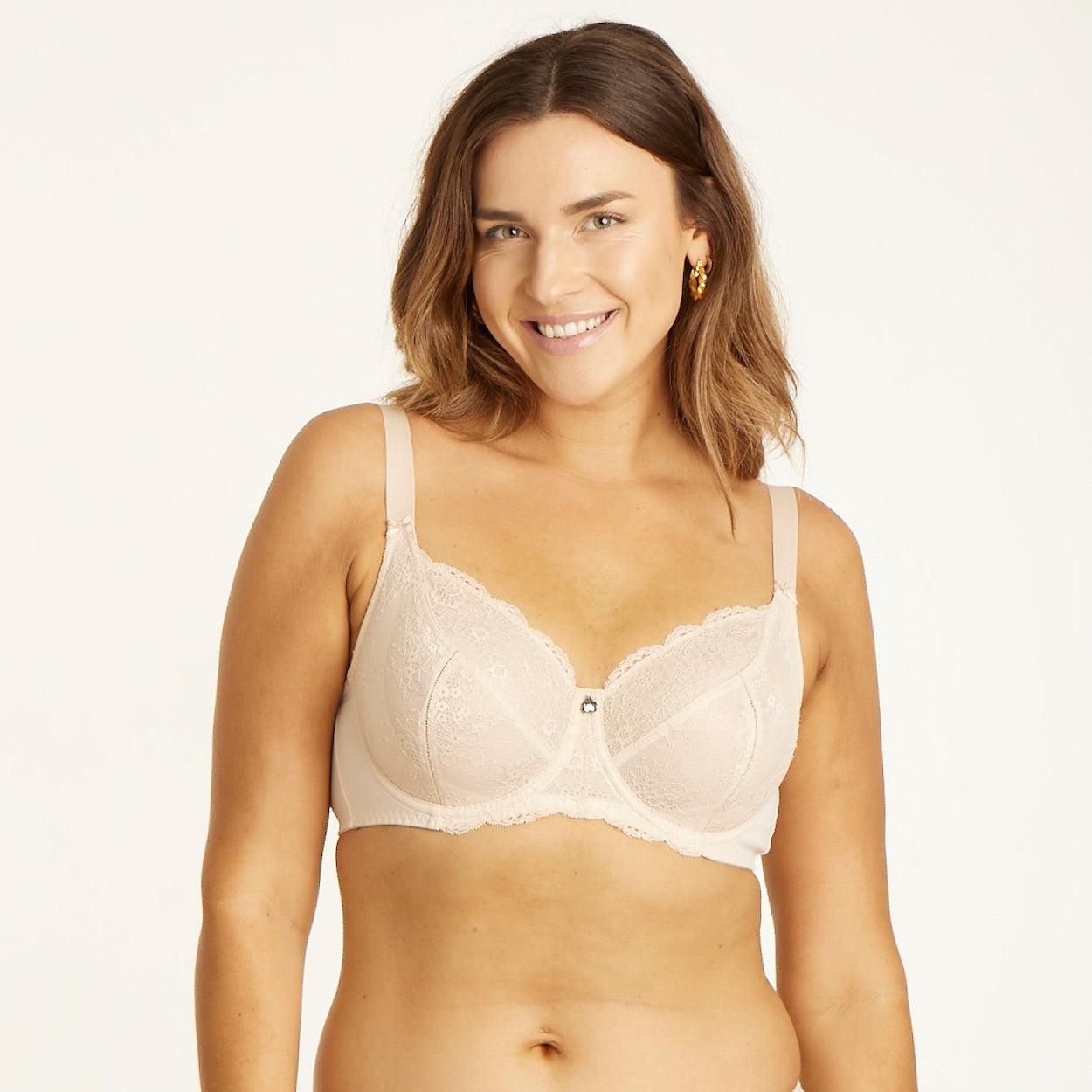
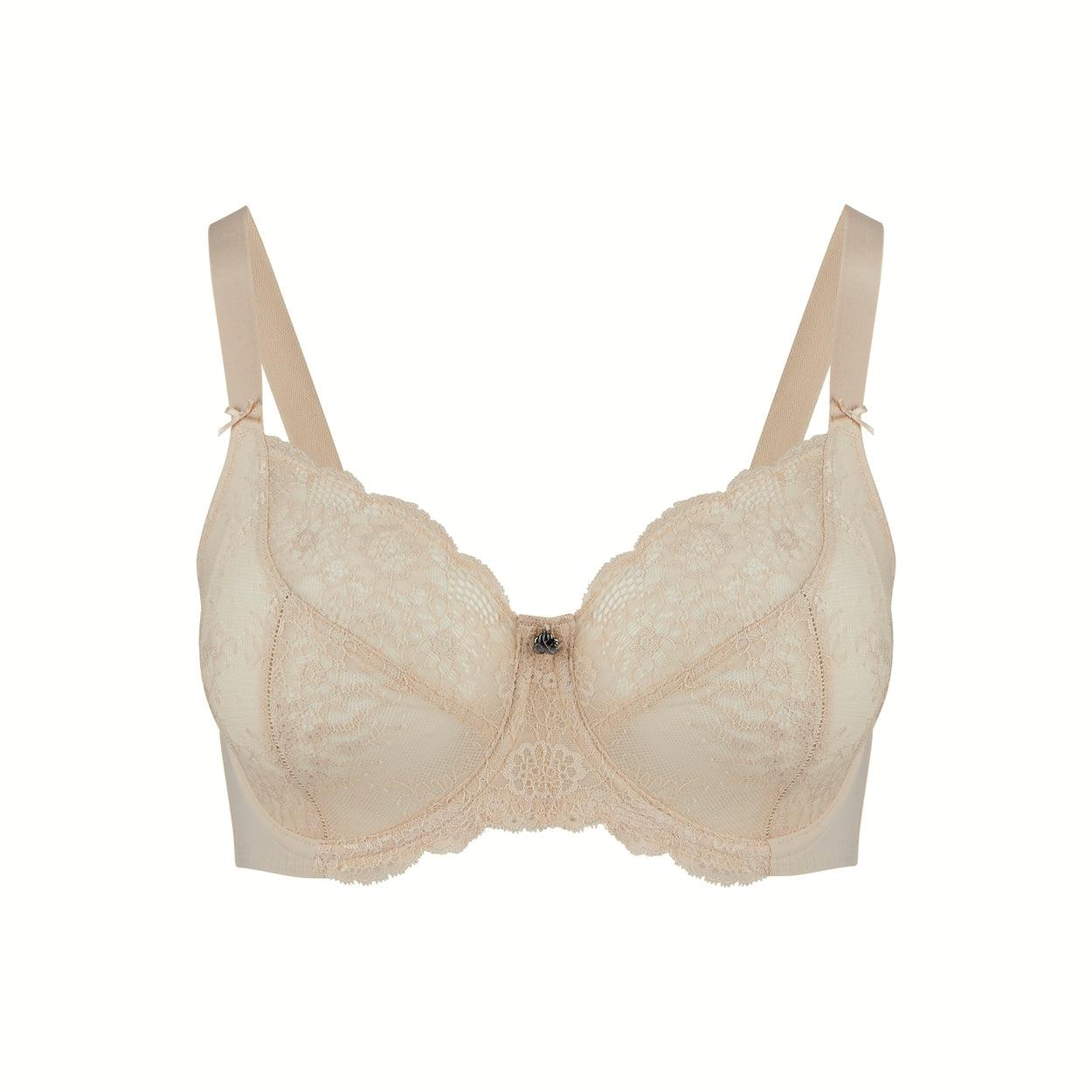
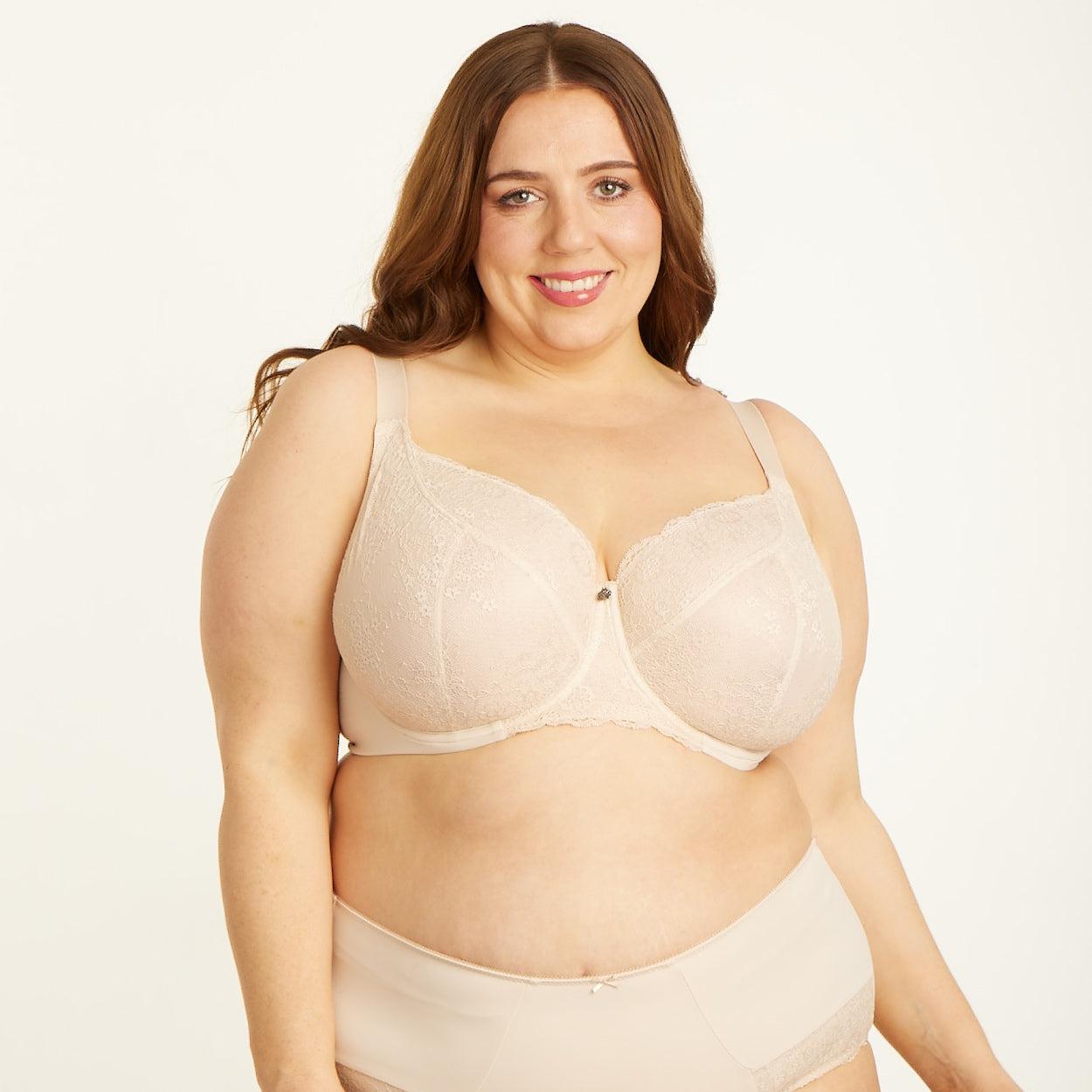
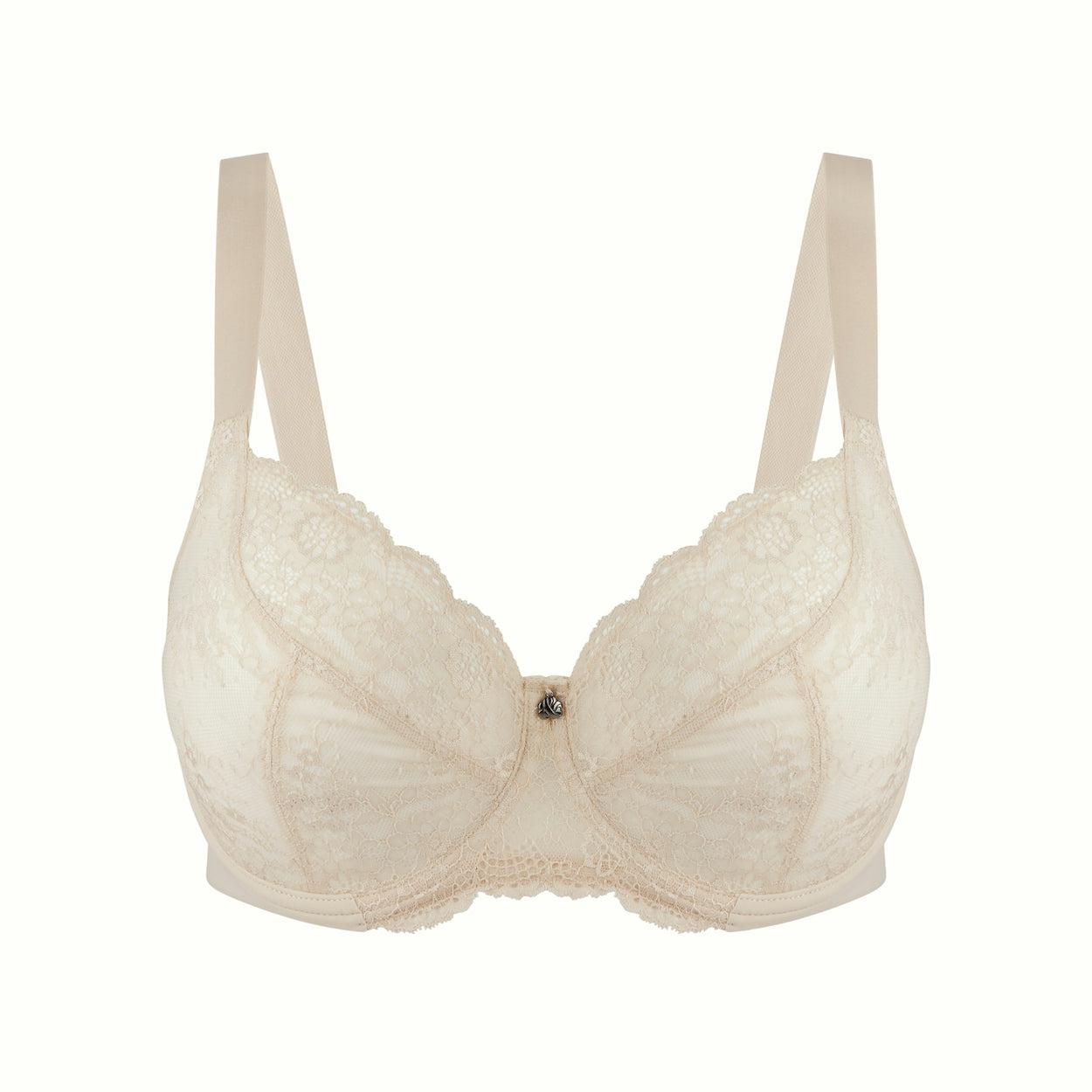
This is why structured styles like our premium support bras make such a difference for fuller busts, because the band, cups and straps are all designed to be the best possible proportions for each size.
When to size up, size down, or change styles
Many women are wearing the wrong bra and find that they need to go down a band size and up a cup size to get the right balance. Learn more about bra crossover sizes.
But sometimes, it’s not a sizing problem at all, it’s a design problem. If a bra relies on narrow straps, flimsy bands, or scaled-up patterns that weren’t designed for fuller busts, no amount of adjusting will fix it.
That’s when it’s worth switching to bras made by companies that don’t treat plus size bras as an extension of their core range, but actually design their bras for women who wear sizes 16, 18, 20, 22, and 24.
Shop better bras at Rose & Thorne
If your bra straps are cutting into your shoulders, it’s almost always a fit issue. With a firm band, the right cup volume, wider straps, and a supportive design, you’ll feel a world of difference.
If you’re stuck in a cycle of strap pain and constant adjusting, it might be time for a fresh set of eyes. You can browse our full plus size bra range by size, or book a professional online bra fitting.