How Menopause Changes Your Bra Size & Fit
There comes a point where you put on a bra you've owned for years and think, Hang on... this never used to do that.
Your weight hasn’t changed, you’re washing your bras the same way you always have, but suddenly, nothing fits quite like it's meant to.
For many women, the answer is menopause. Yes, this challenging life stage certainly has a lot to answer for. But once you understand what's changing and why, it becomes much easier to work out whether you need a different size or even just a different style.
Why Menopause Changes the Way Your Bra Fits
There's a lot going on behind the scenes during menopause, well beyond the hot flushes and mood swings we all prepare ourselves for. Our oestrogen levels begin to drop, and when there's less of it around, our skin, muscles and connective tissues don’t behave like they used to.
At the same time, our metabolism naturally slows, and the way our bodies store fat begins to change. Many women notice weight settling around their middle rather than their hips and thighs, and even their ribcage can feel broader as posture, muscle tone, and bone density gradually change with age.
From a bra-fitting perspective, these changes affect three things more than anything else: your band fit, your breast shape, and how your breast tissue sits within the cups.
Common Breast Changes During Menopause
Breast tenderness and sensitivity
Breast tenderness is one of the most common symptoms of perimenopause, thanks to fluctuating hormone levels. Because oestrogen levels rise and fall unpredictably, you can have days where your breasts feel swollen, achy, or more sensitive to pressure.
If that's happening, don't assume underwires are suddenly off the table forever. You don’t have to stop wearing underwires in menopause, but you should always pay attention to what your body is telling you.
A well-fitting underwire shouldn't dig in or sit on breast tissue, even during menopause. More often than not, discomfort comes from a bra that's no longer the right size or shape for your changing body.
That said, there will always be days when comfort wins, and that’s when it pays to have a wirefree bra that offers softer support when your breasts are particularly sensitive.
Changes in fullness and shape
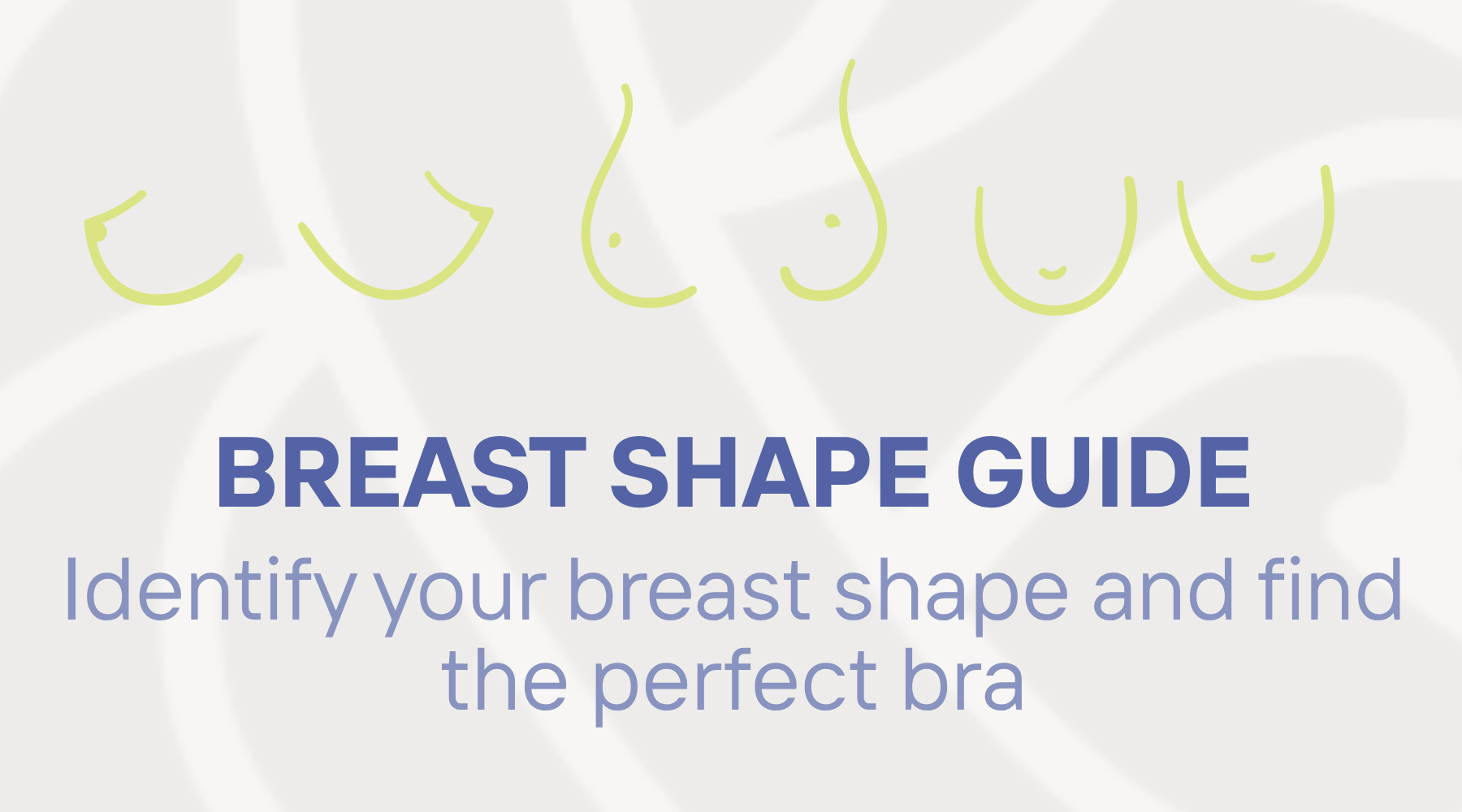
One of the biggest surprises for many women is that they can still be wearing the same bra size they've always worn, yet it suddenly doesn't seem to fit properly. That's because menopause doesn't just change the size of your breasts, it changes their composition too.
As our hormones change, our breast tissue becomes less glandular and more fatty. Alongside that, collagen and elastin levels are reducing too, making the skin and tissue softer and less self-supporting than it once was.
One thing our fit team notices regularly is women assuming they've "gone down a cup size" because they're seeing gaps at the top of the cup. But usually, it’s just distributed differently than it was ten years ago, and is sitting lower in the cup.
Before assuming you need a different size, make sure you're putting your bra on correctly. A quick scoop and swoop helps bring all of your breast tissue into the cups.
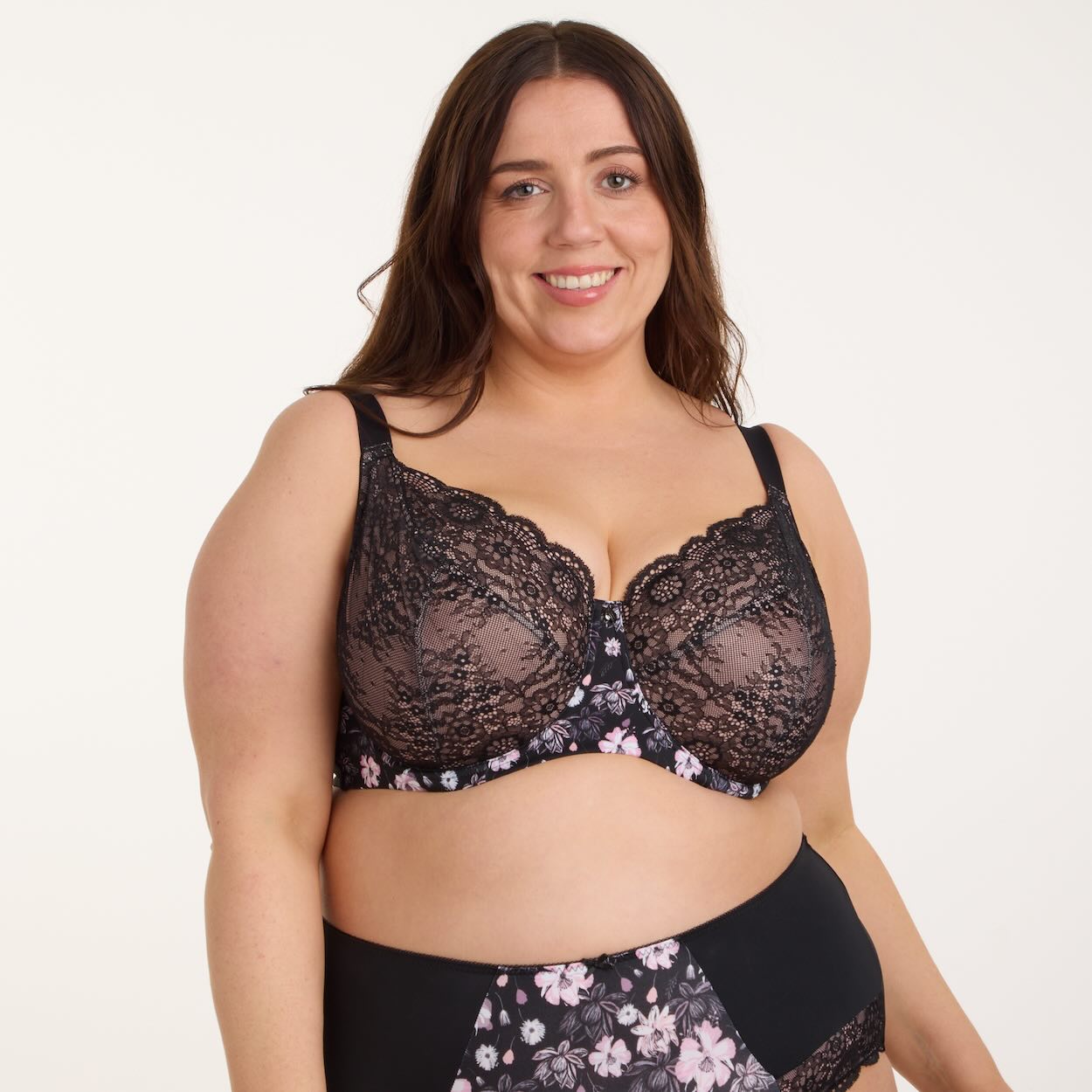
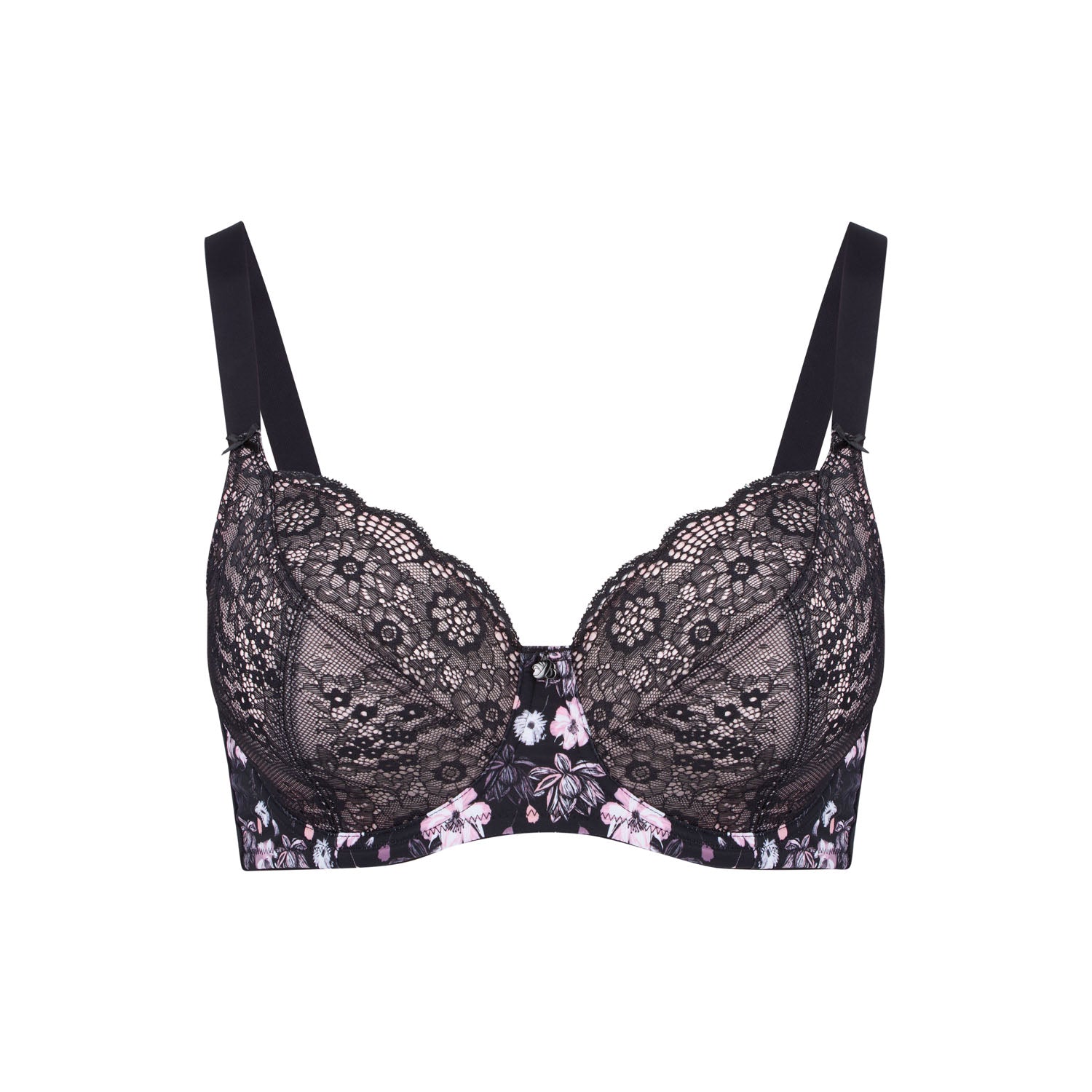
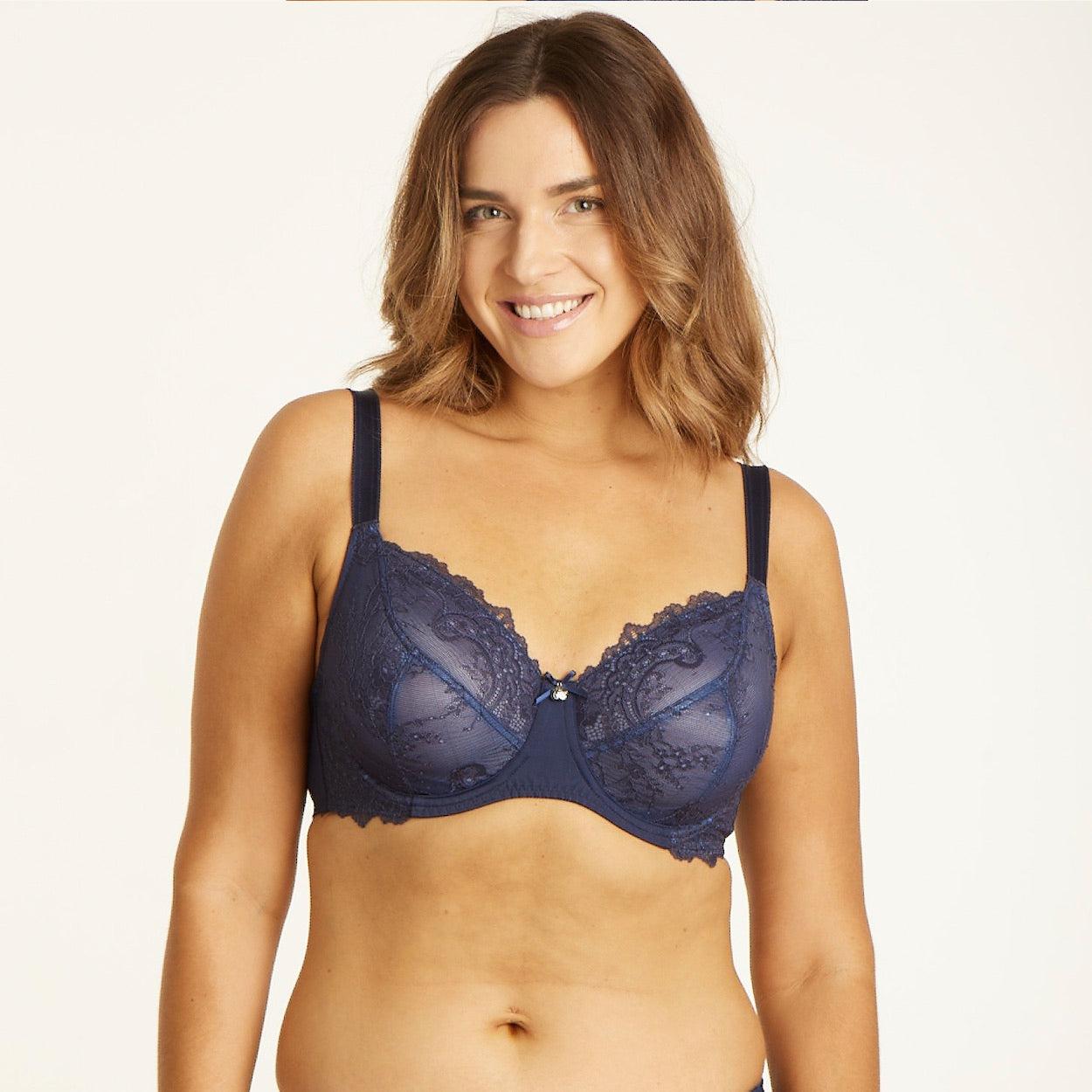
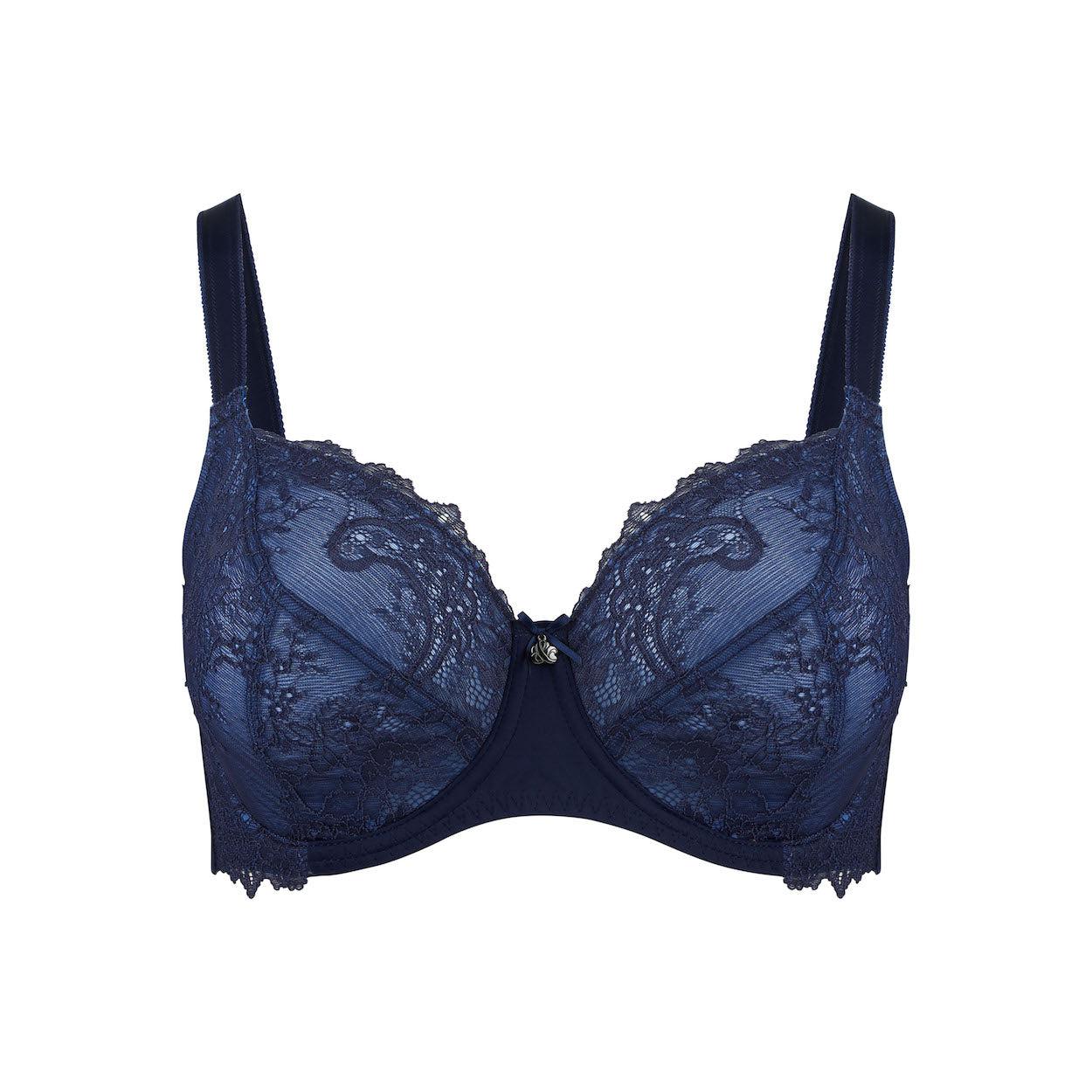
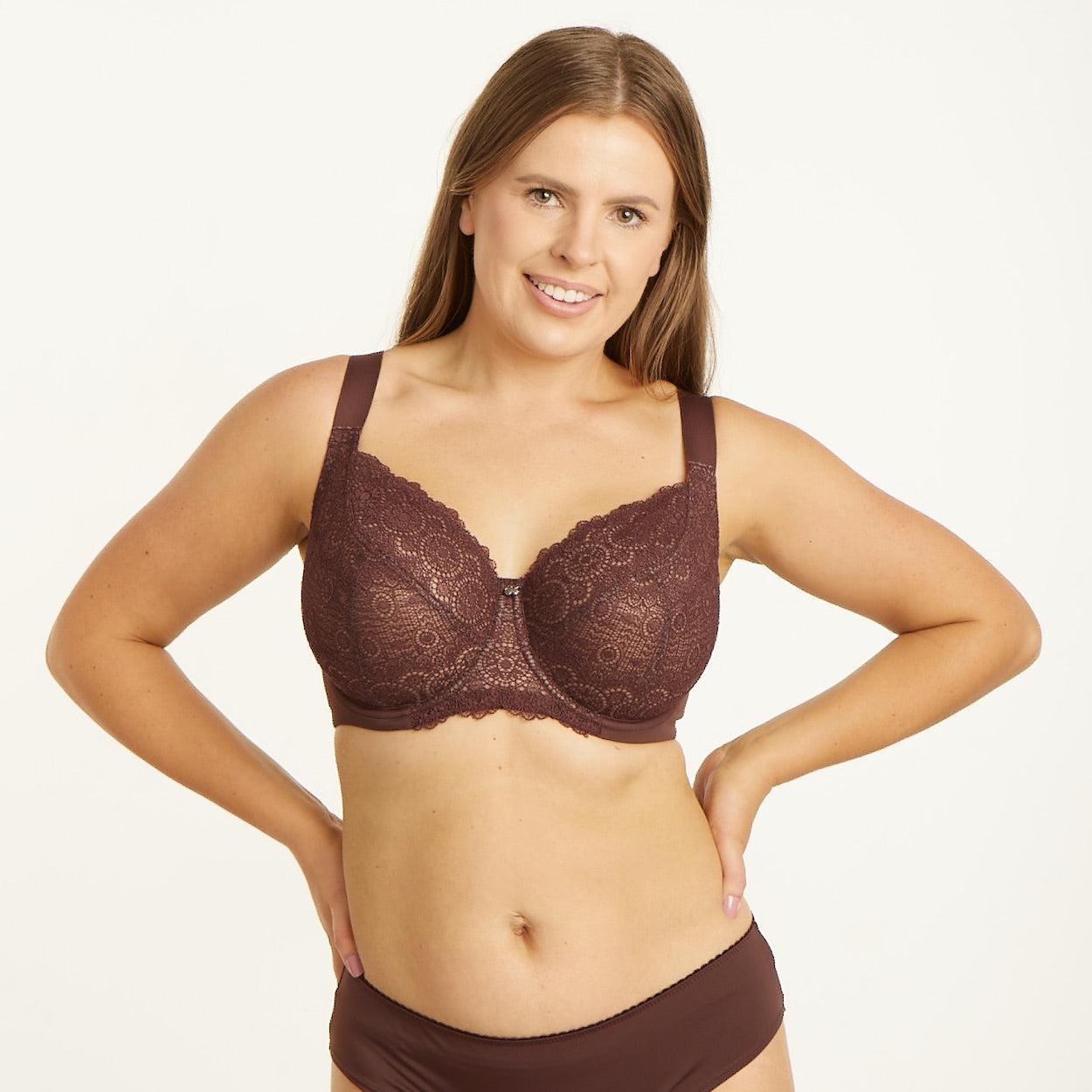
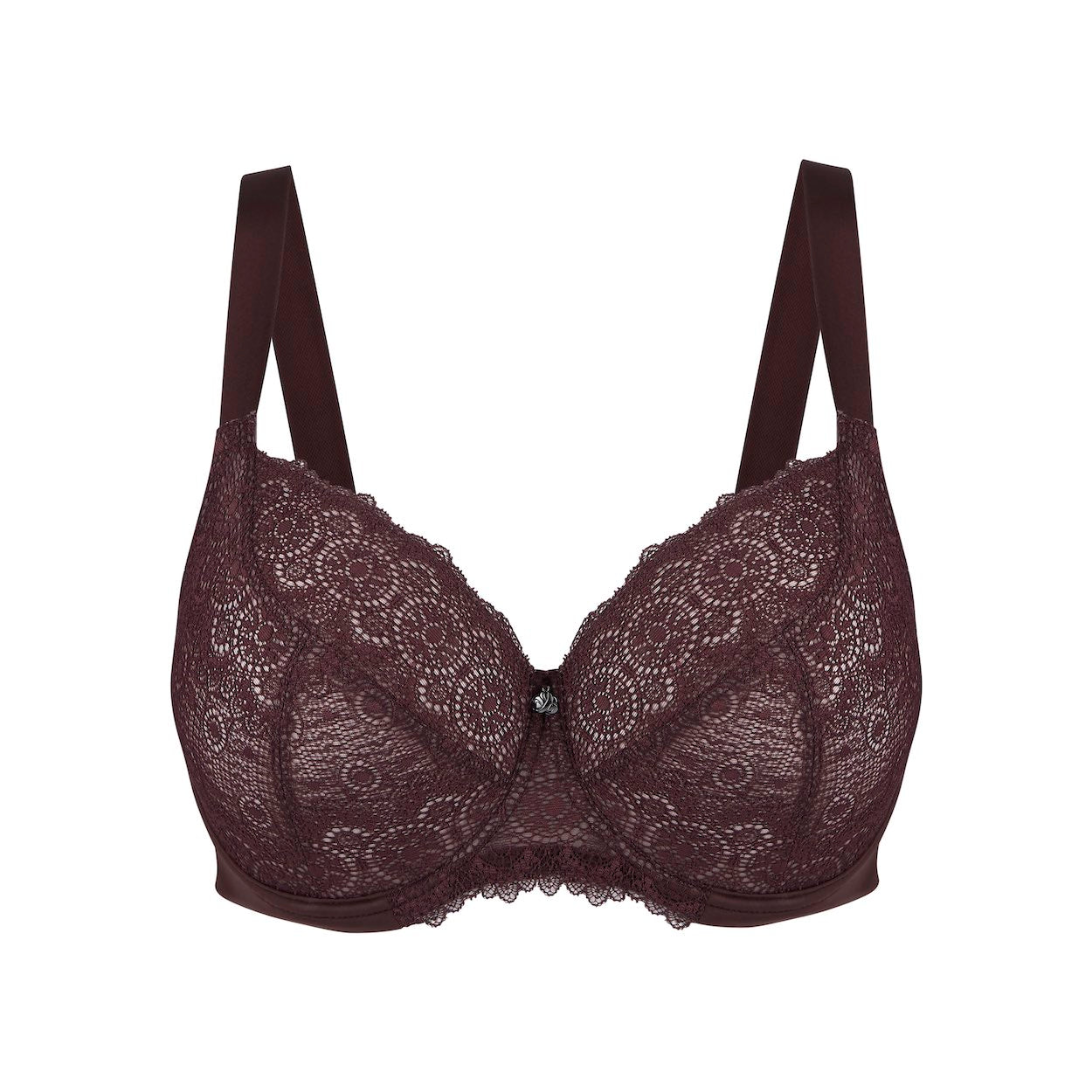
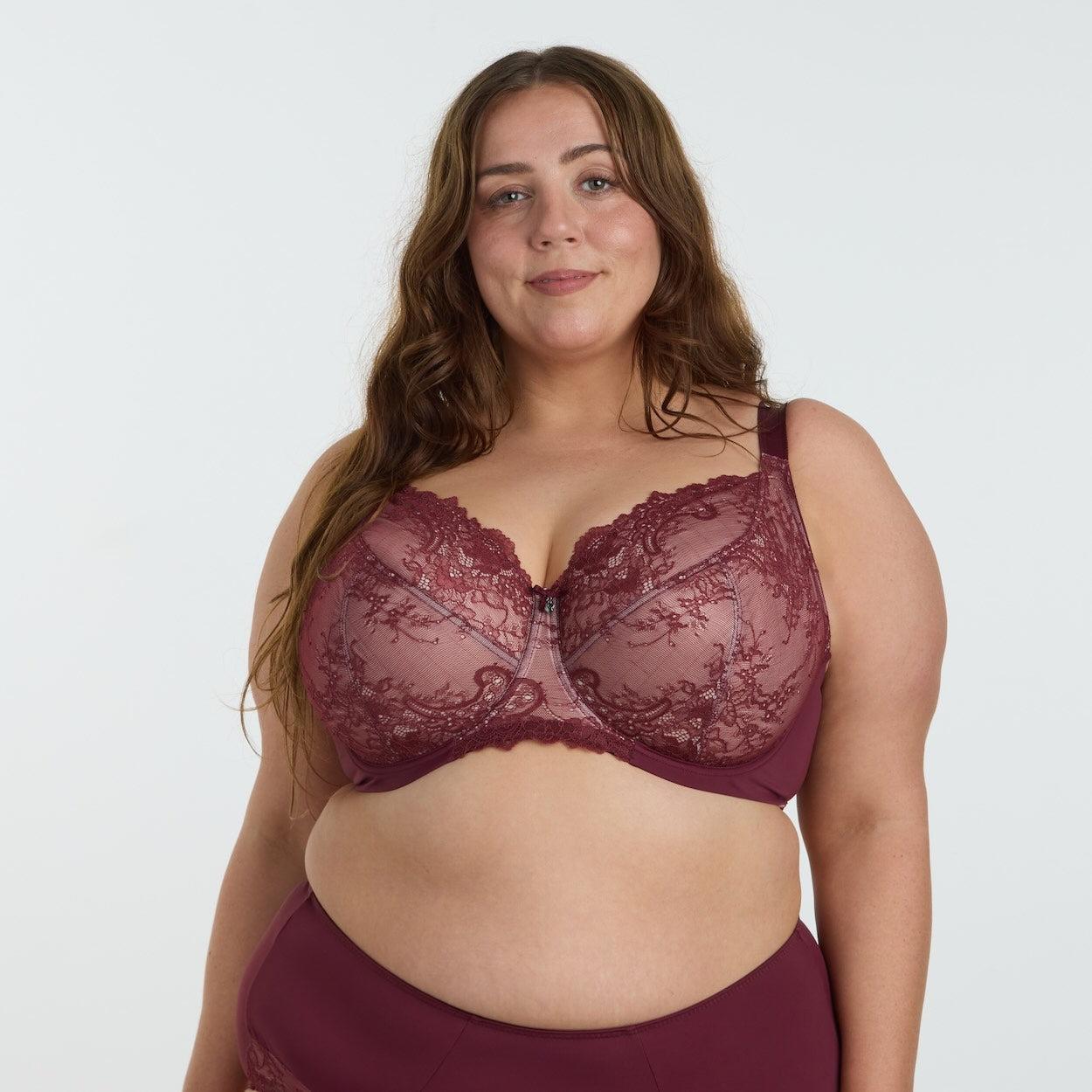
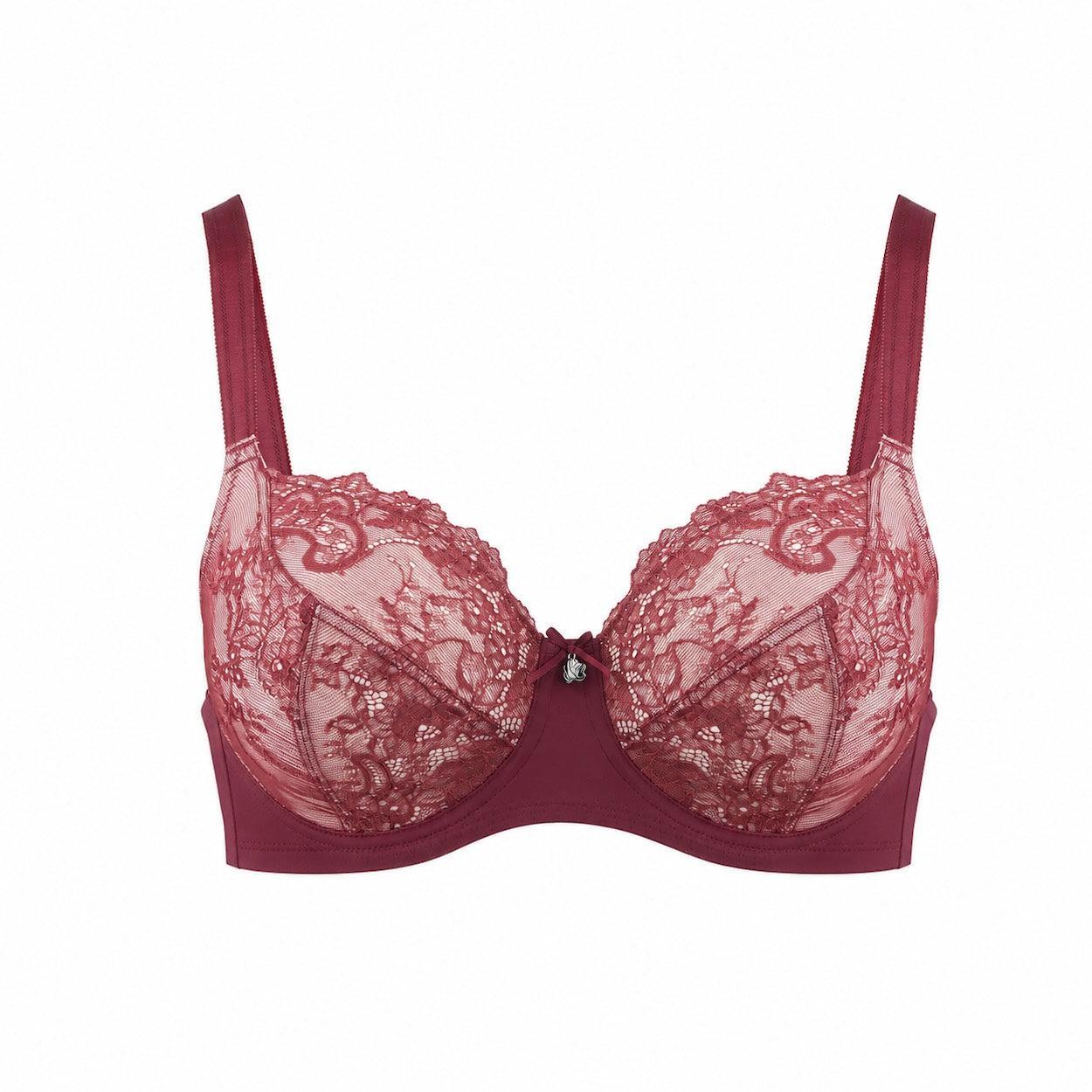
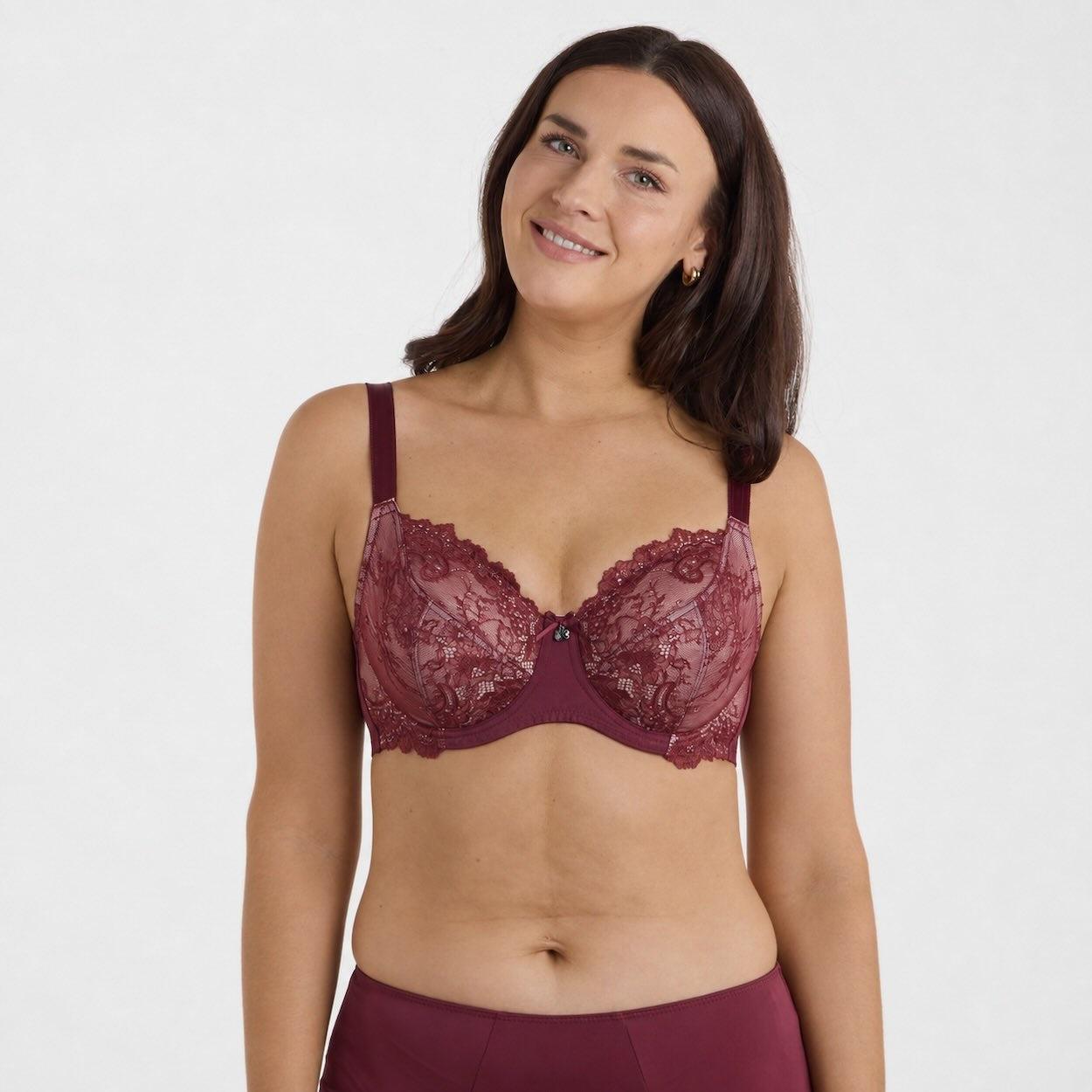
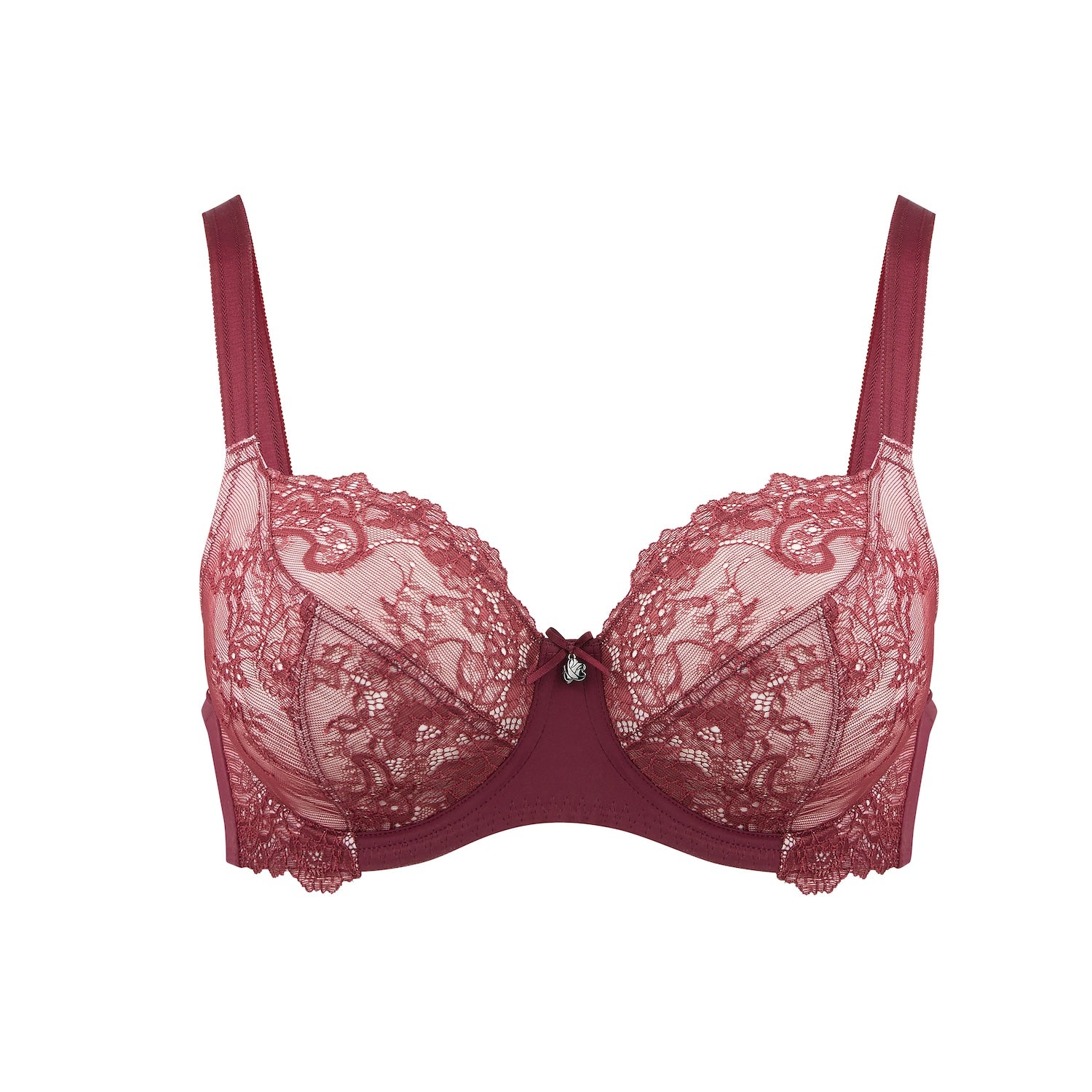
And if your bras still aren't sitting quite right after that, it may be time to think about the style rather than just the size. Many women find that flexible lace cup bras adapt far better to changing breast shape than rigid moulded cups. We explore why in Why Lace Bras Are Better Than Padded Bras for Mature Breasts.
If you're experiencing spillage instead of gaping, our guide to How to Fix Bra Spillage & Overflow explains the most common causes and what to try before buying your next bra.
Changes in fit
Sometimes it's not your breasts that have changed, it's everything else! As we touched on earlier, menopause can affect where your body stores fat, with many women noticing more weight around their middle and ribcage than they used to.
But don't be surprised if your measurements haven't changed very much. Menopause often changes how a bra fits without dramatically changing the numbers themselves, which is why a different bra style can sometimes solve the problem more effectively than a different size.
The easiest way to know where you stand is to start fresh. Grab a tape measure, follow our guide to How to Measure Your Bra Size at Home, and compare your new measurements with your current bra size.
Do You Need a Different Bra Size During Menopause?
Some women do go up a band size as their ribcage and body shape change. Others find that their cup size changes because their breast volume has increased or decreased. Some discover they're better suited to a crossover size, while plenty of women are surprised to find they're still wearing exactly the same size they always have.
In our blog How Weight Loss and Weight Gain Affect Bra Fit, we share some of the signs that you may need to change size. Then, take a look at our Bra Size Calculator to work out what size you should be wearing.
Sometimes you really do need a completely different size, and sometimes, you just need a crossover size that gives you a little more wiggle room. Either way, at Rose & Thorne, we have you covered.
Choosing the Best Bra for Menopause
The good news is that you don’t need a whole new range of “menopause bras” to feel comfortable. You just need bras that work with your body as it changes.
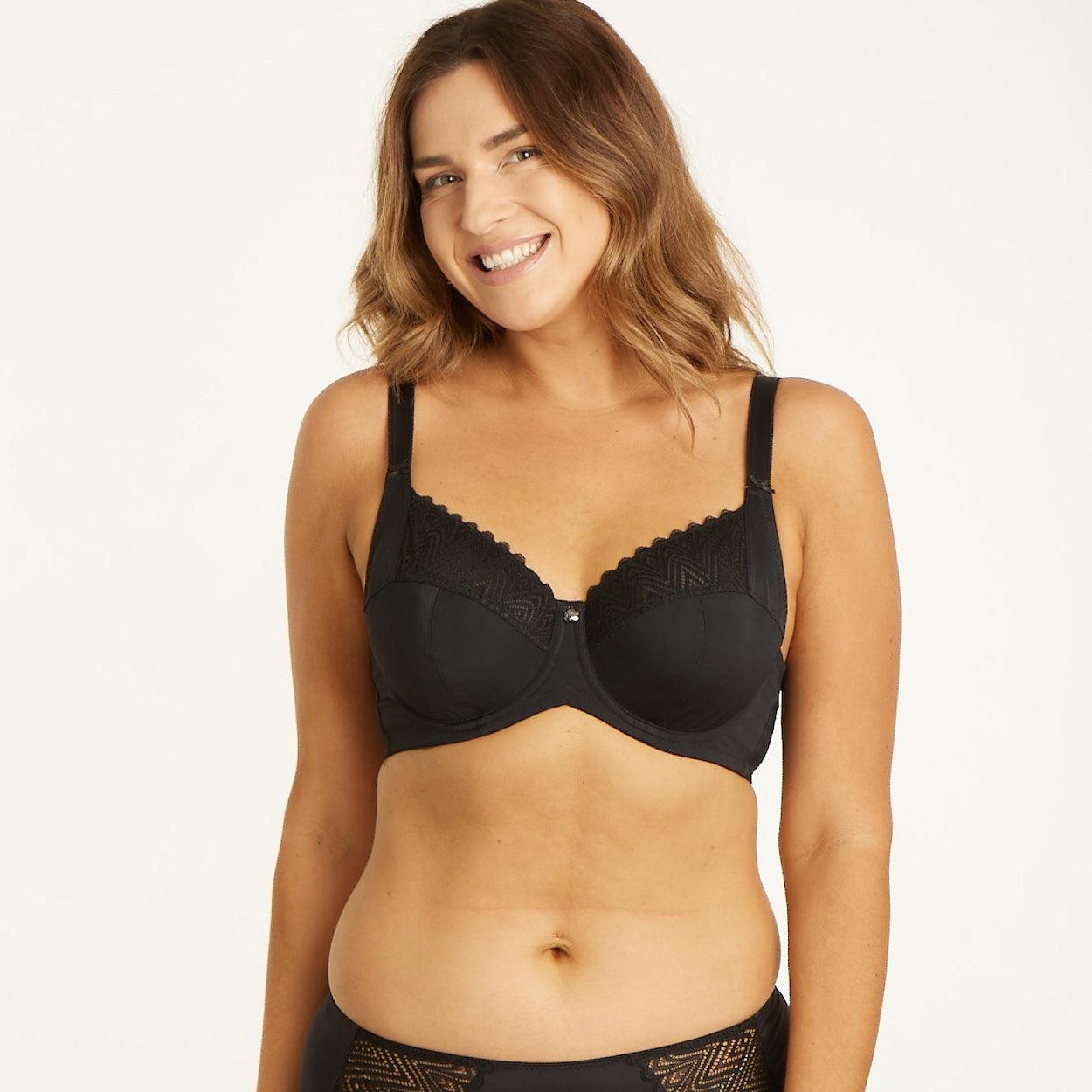
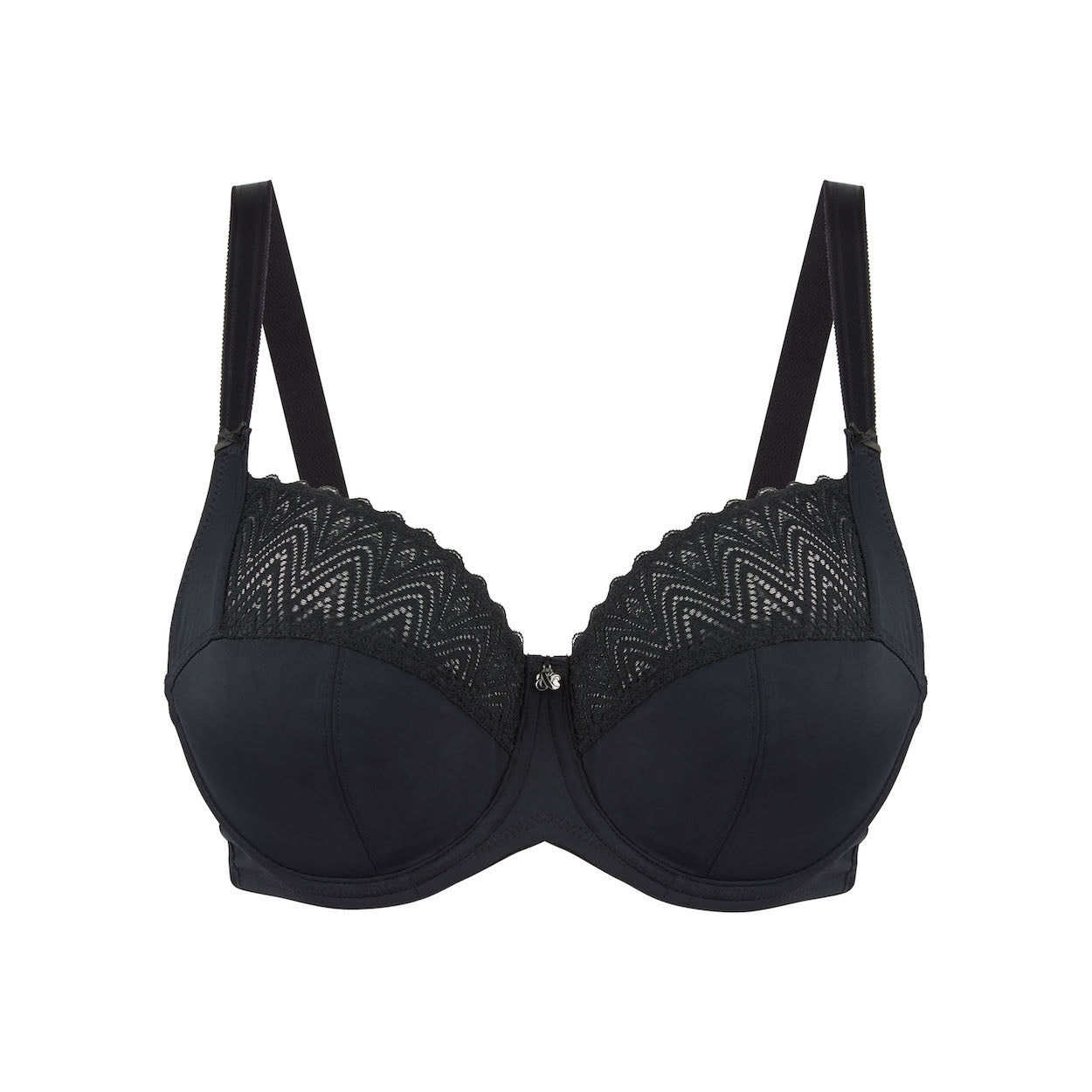
Start with fit. If your band feels tighter, your cups are gaping, or you’re adjusting your bra more than usual, it’s worth checking your size again. Menopause can change how your bra fits even when your measurements haven’t shifted dramatically, so sometimes the answer is a different size, and sometimes it’s simply a better-suited style.
Support becomes more important too, but not in the “thicker straps and more padding” way many women are led to believe. A supportive bra starts with a firm, well-fitting band that anchors the bra to your body, allowing the cups to contain and lift properly. We explain the mechanics in more detail in How Bra Support Actually Works.
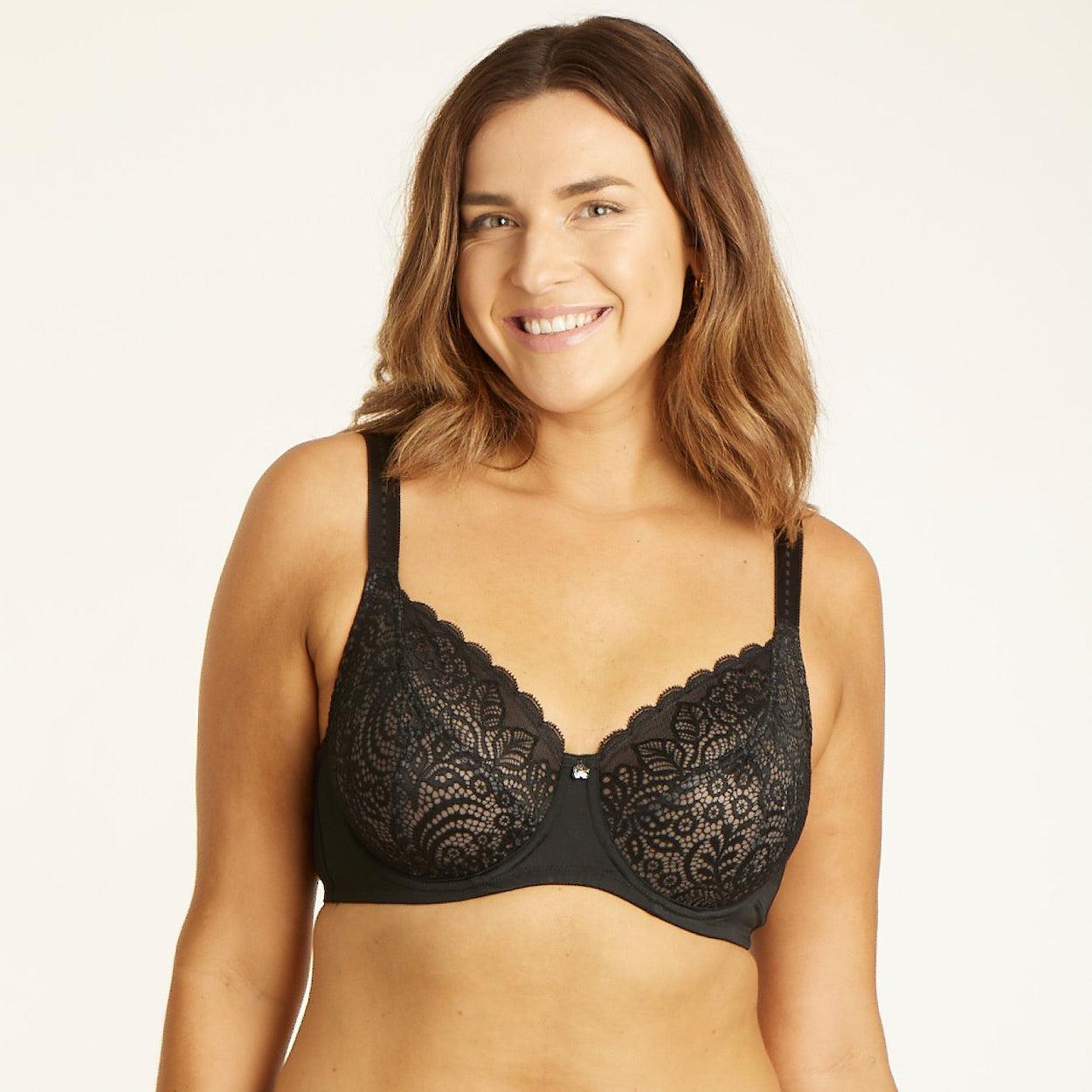
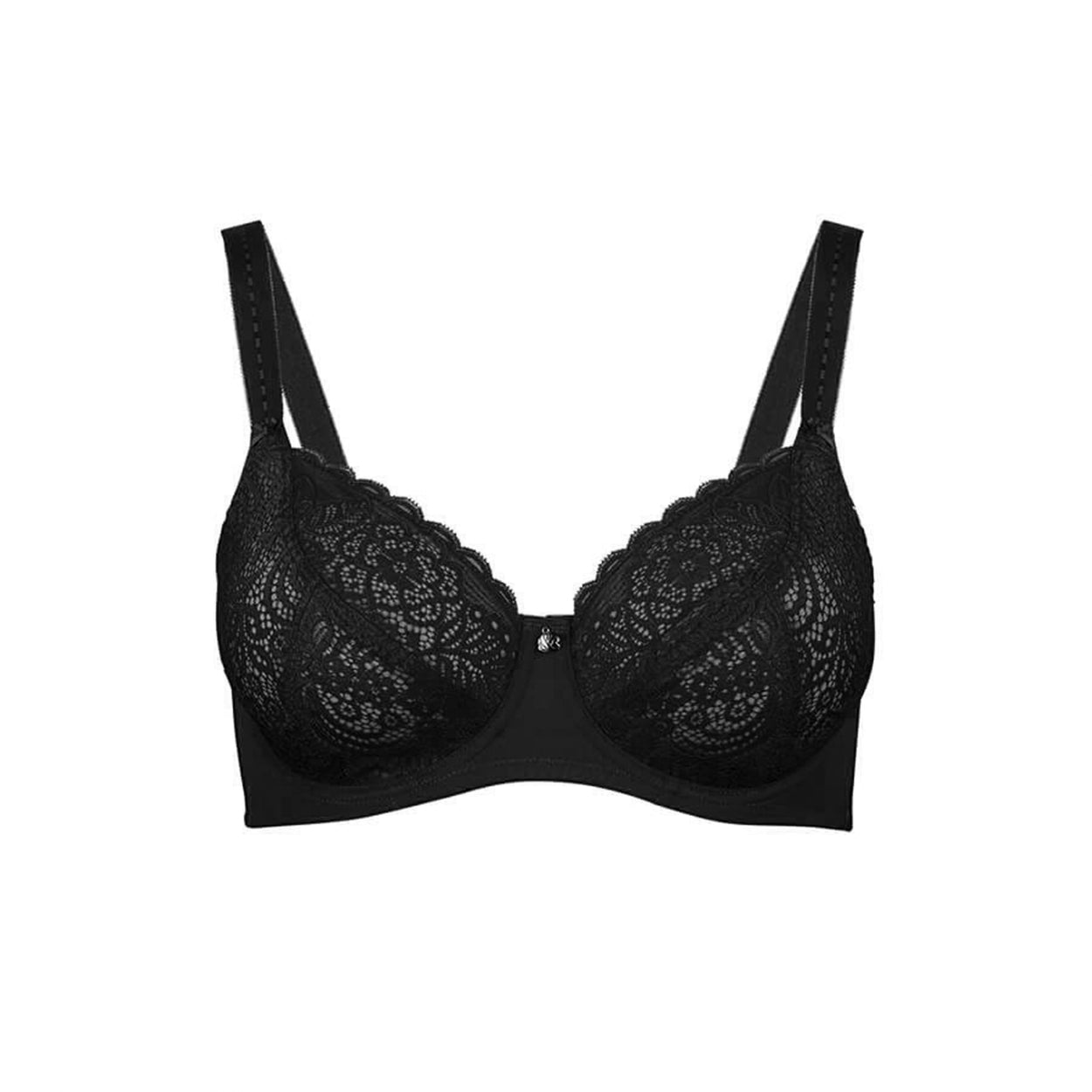
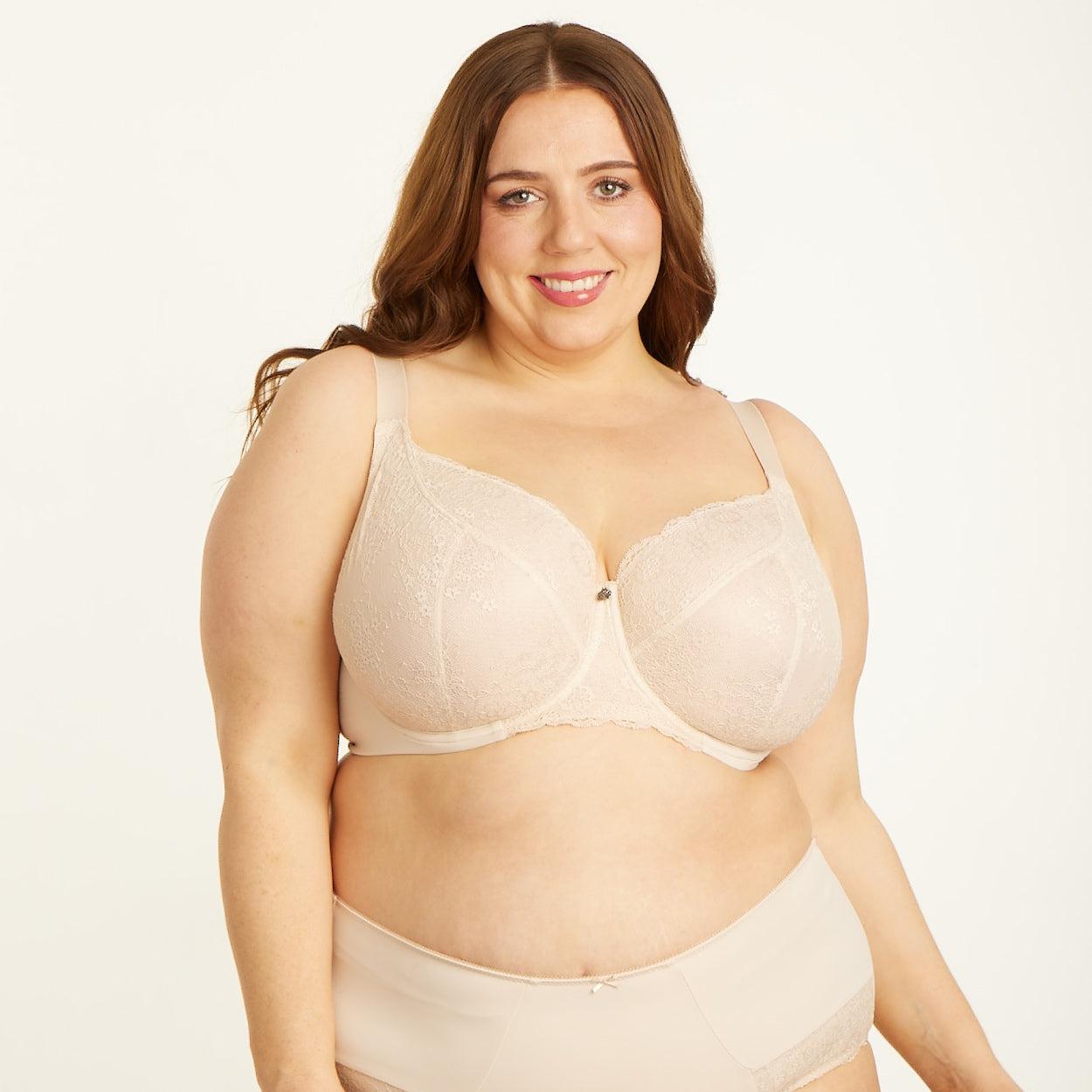
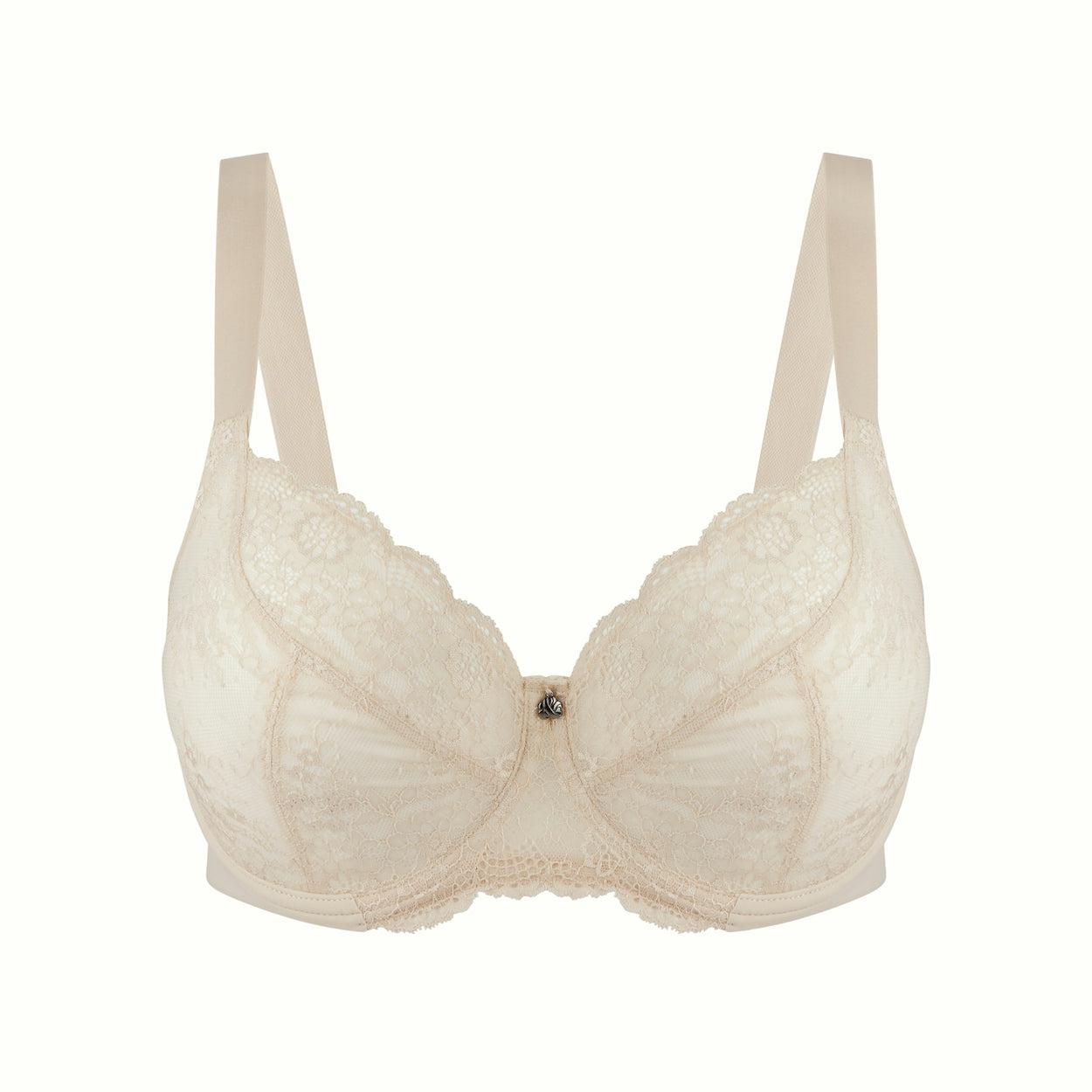
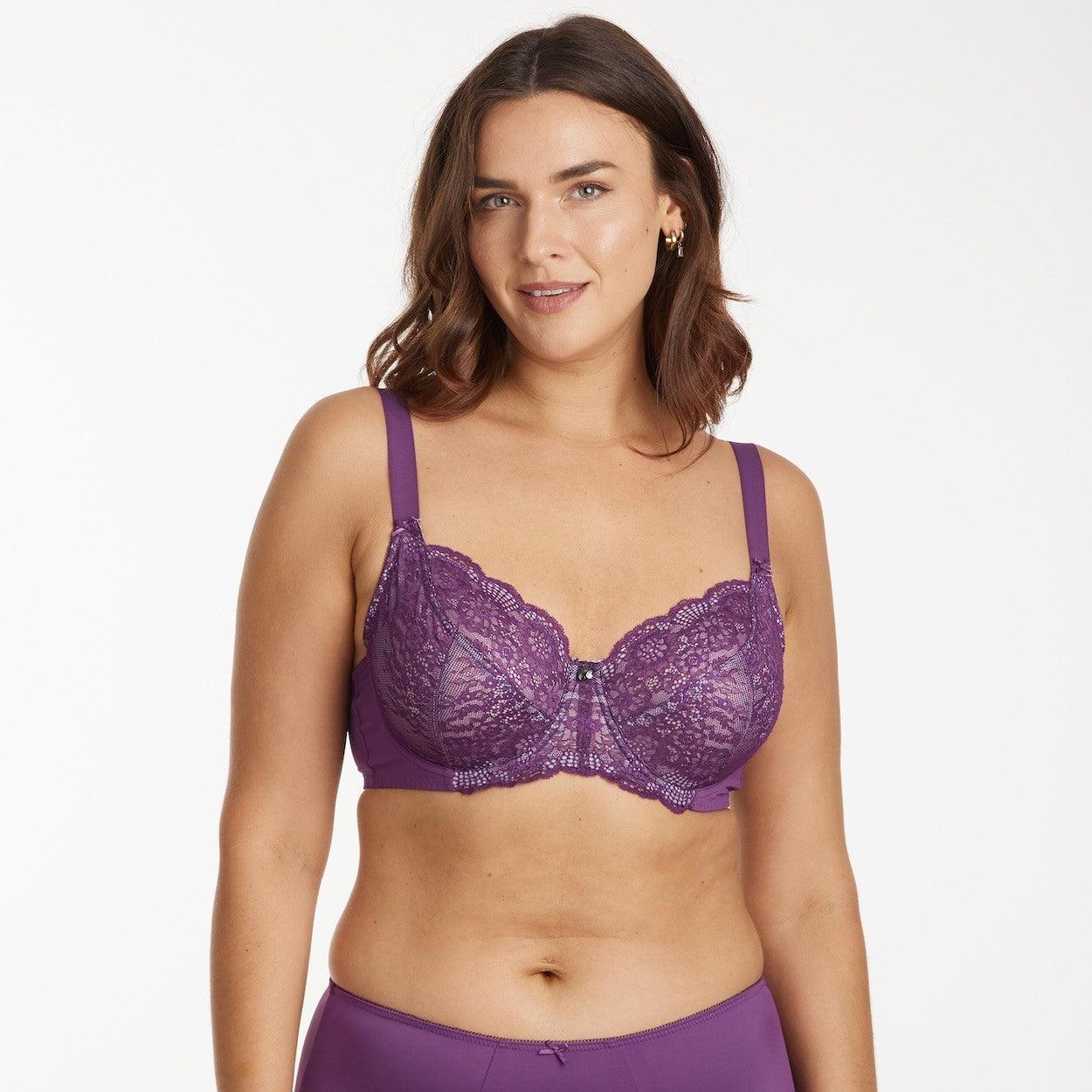
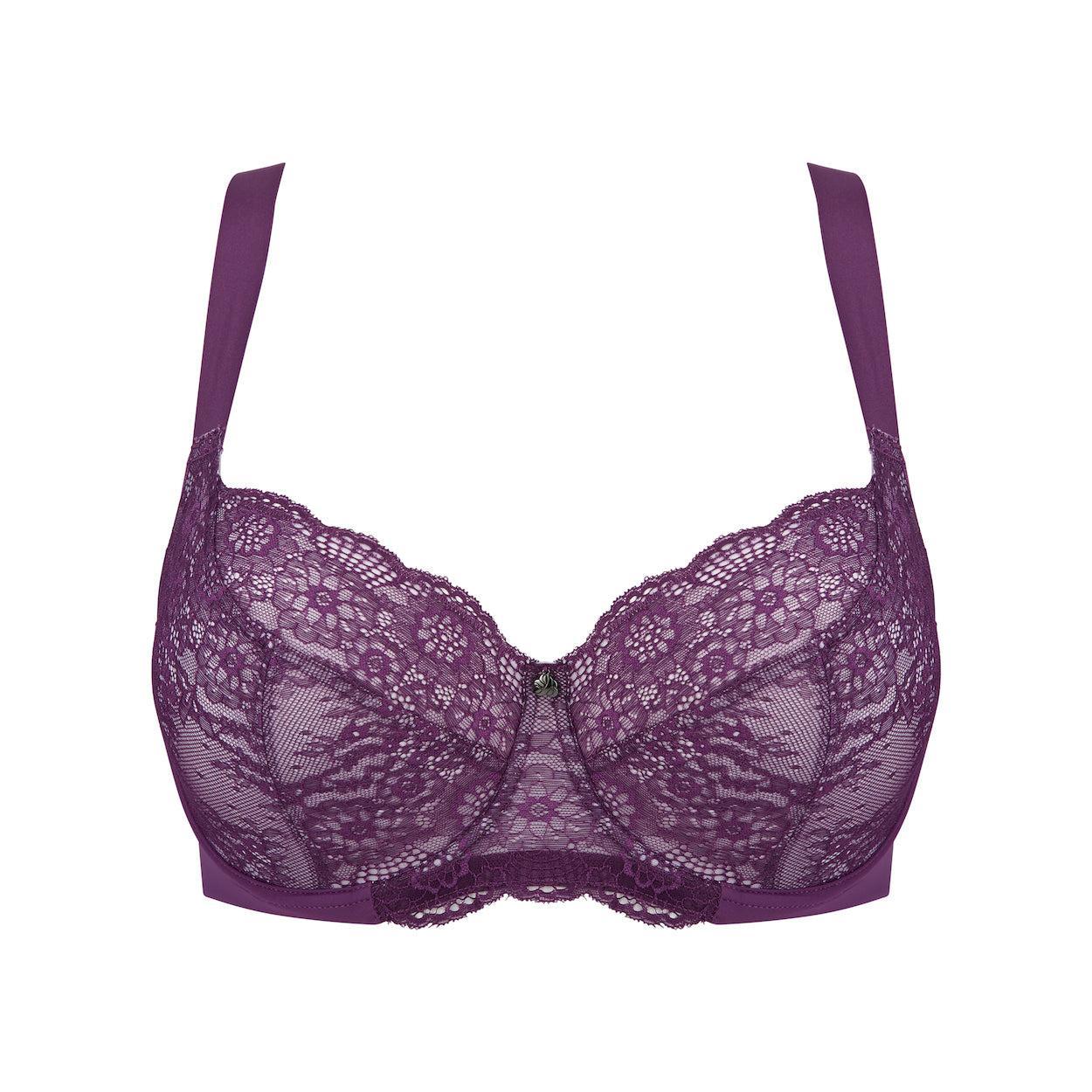
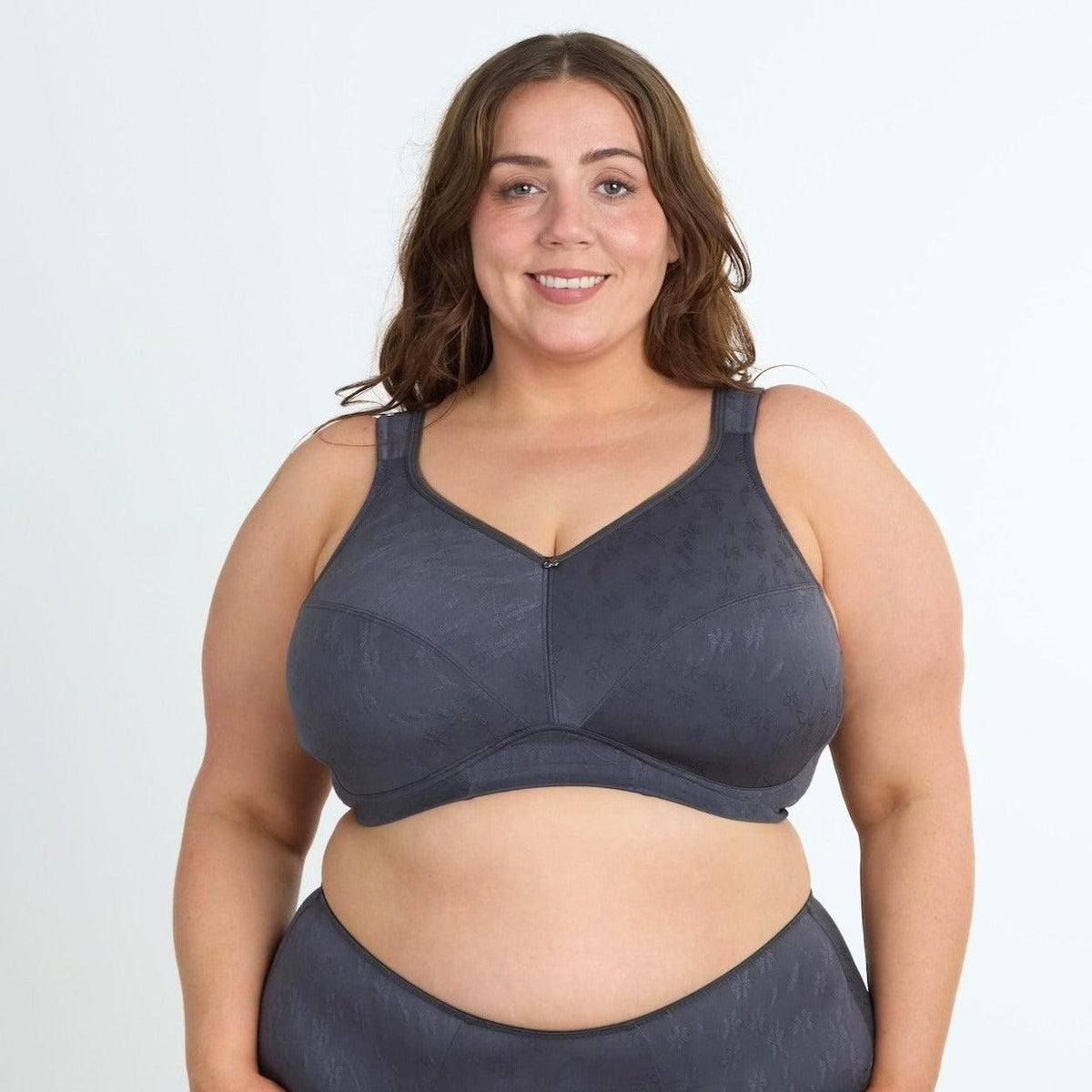
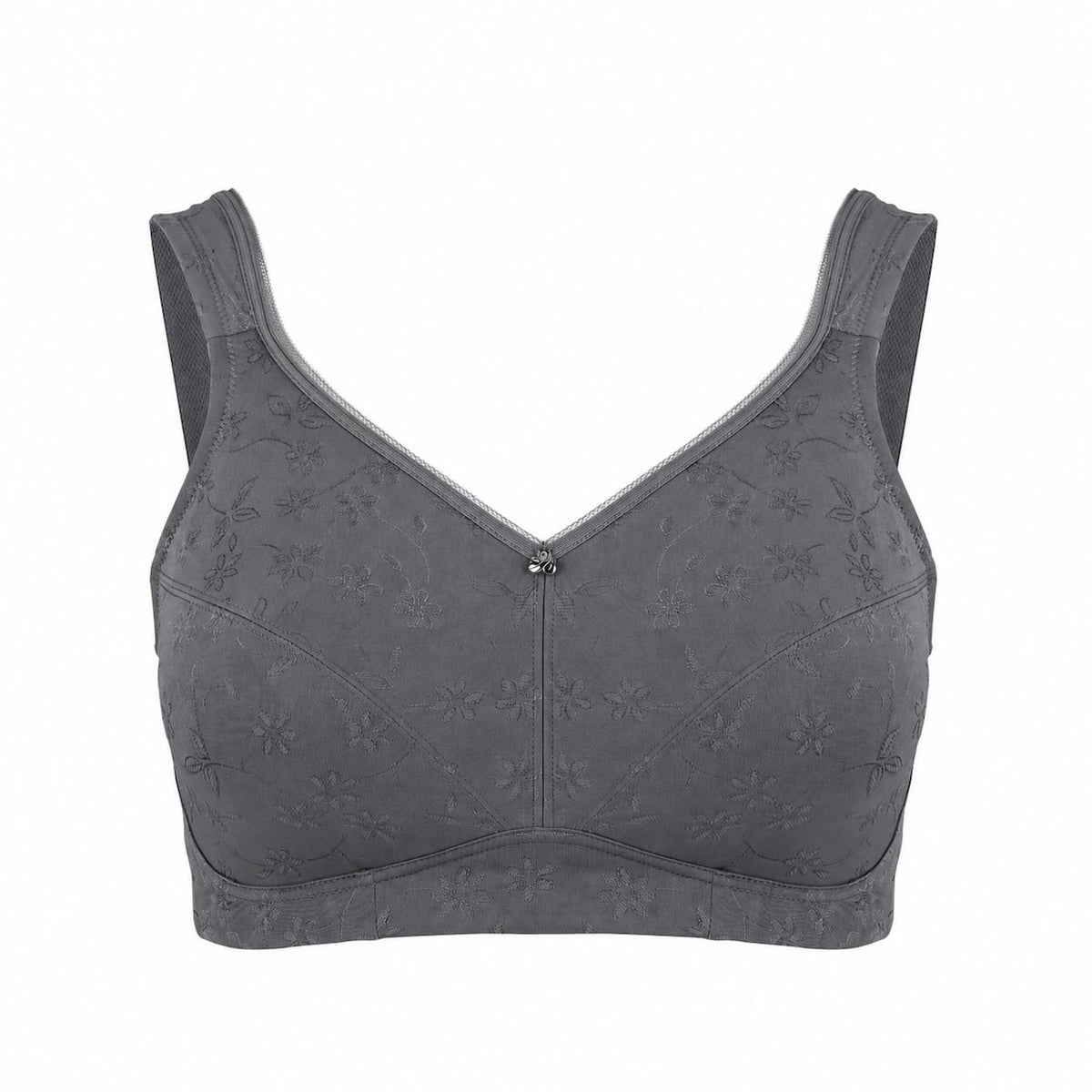
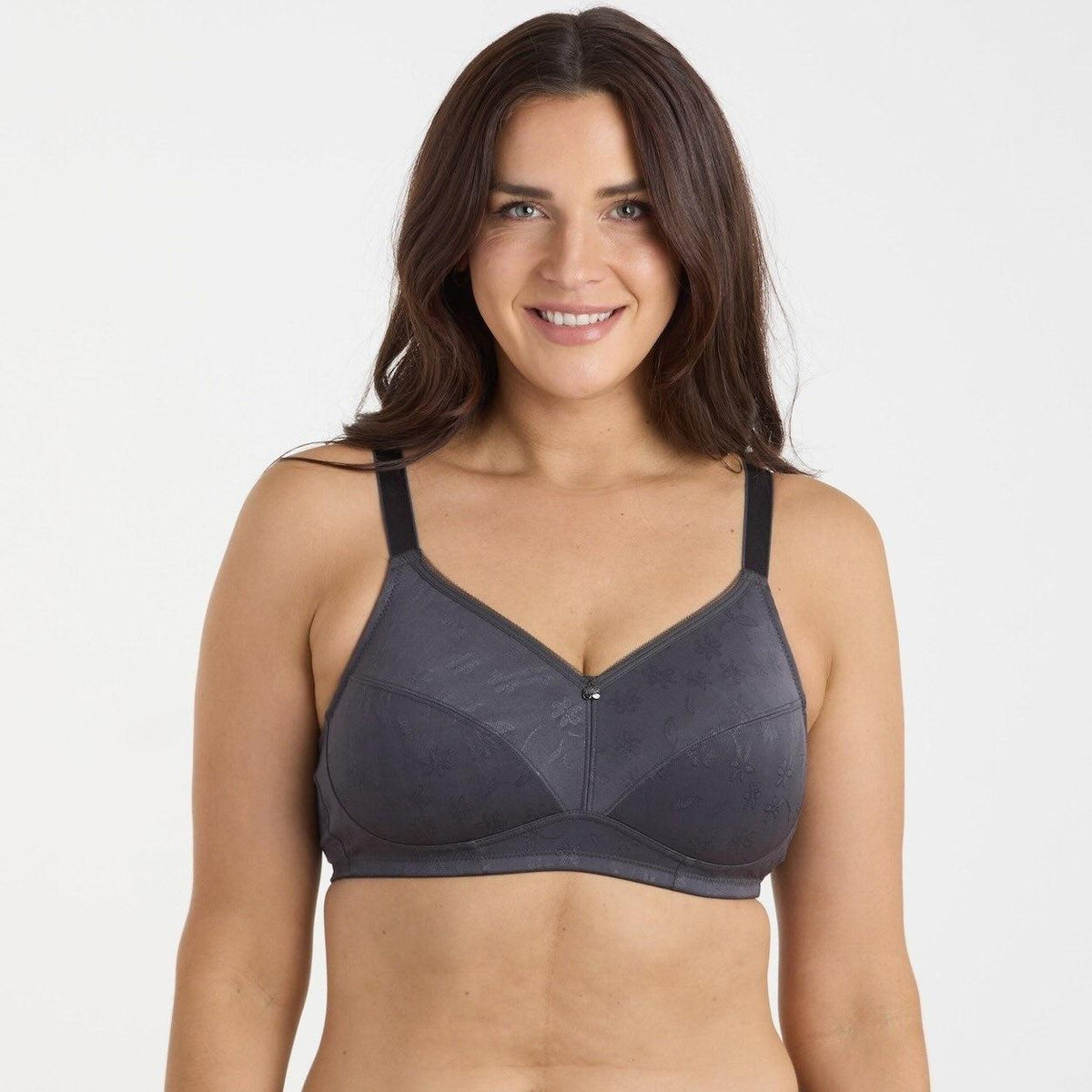
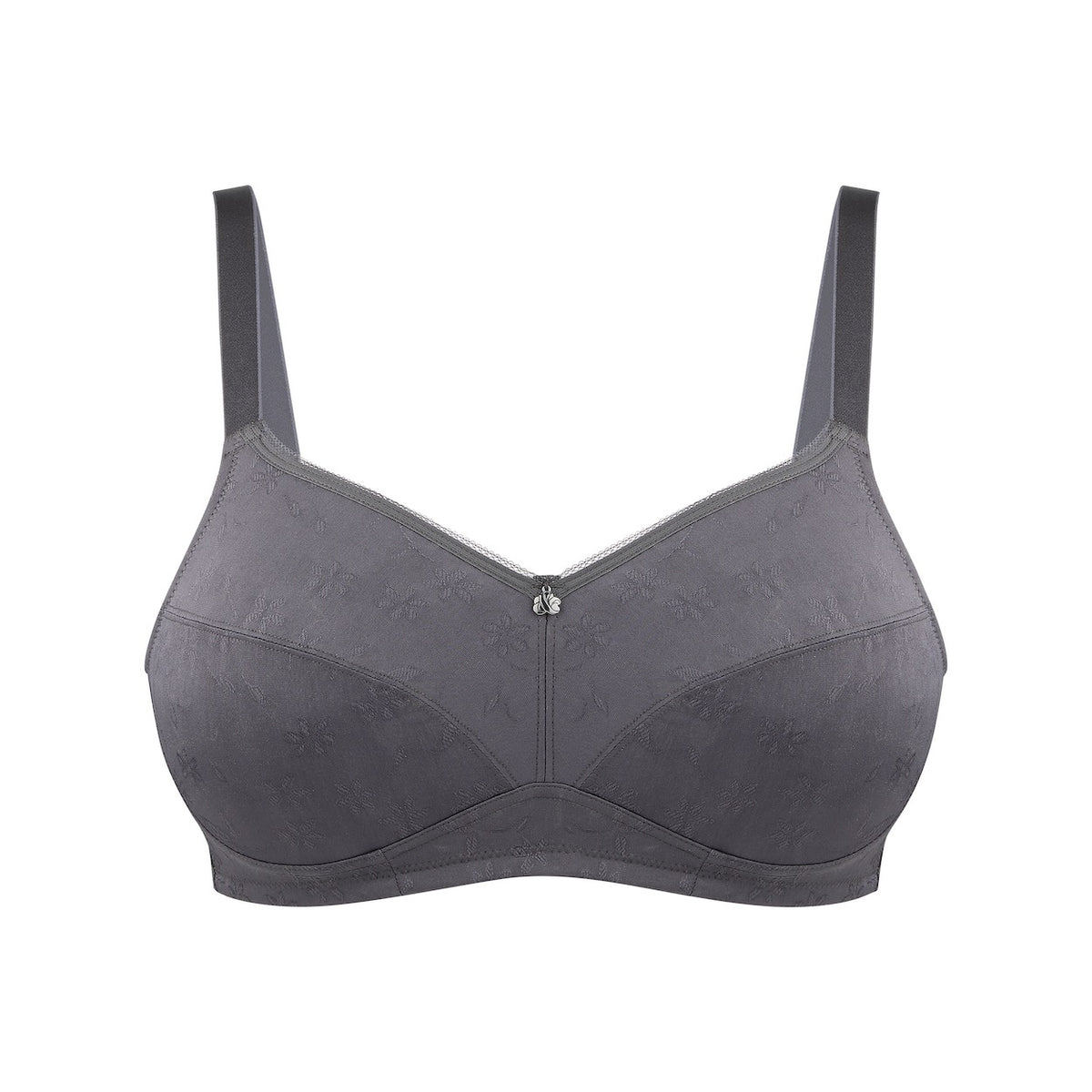
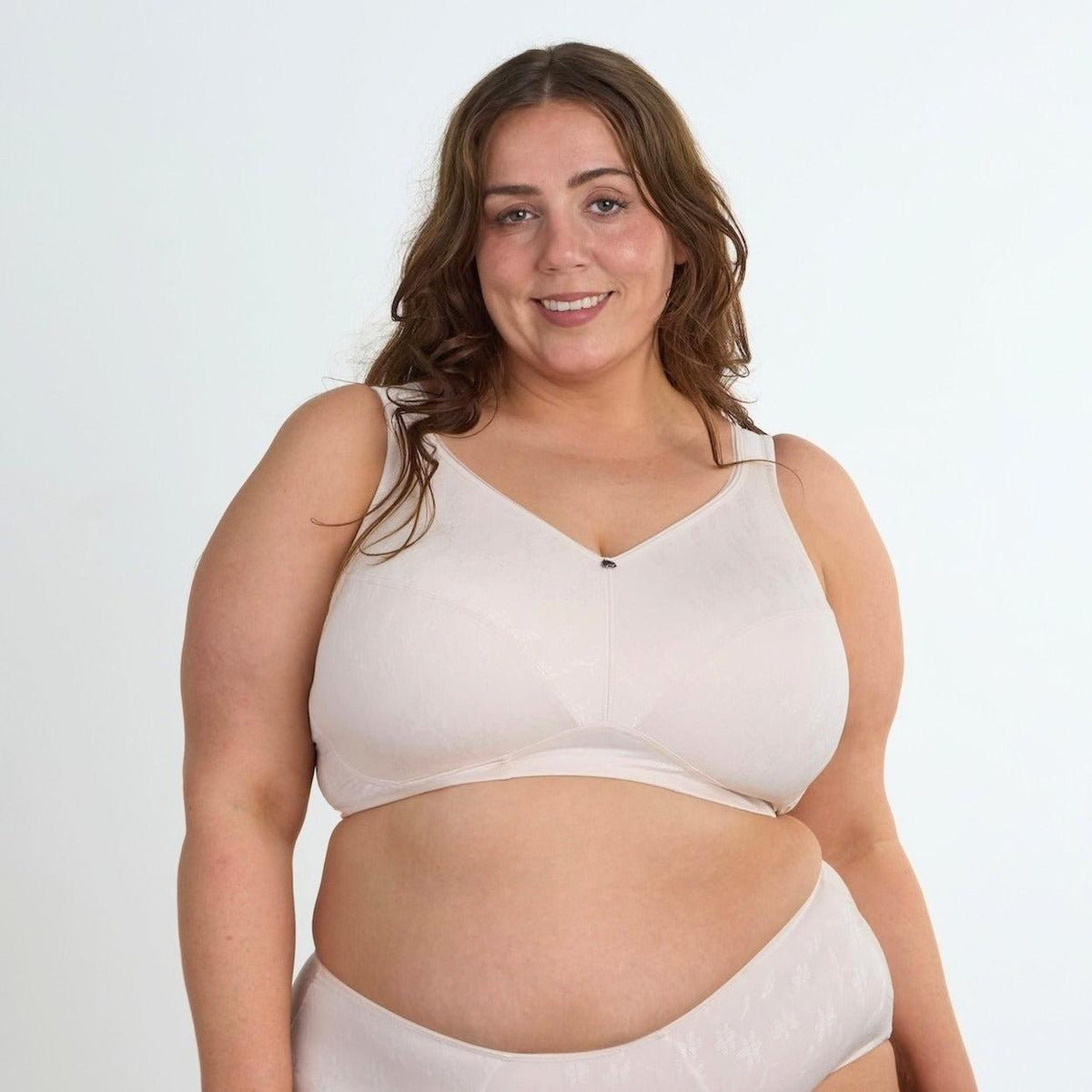
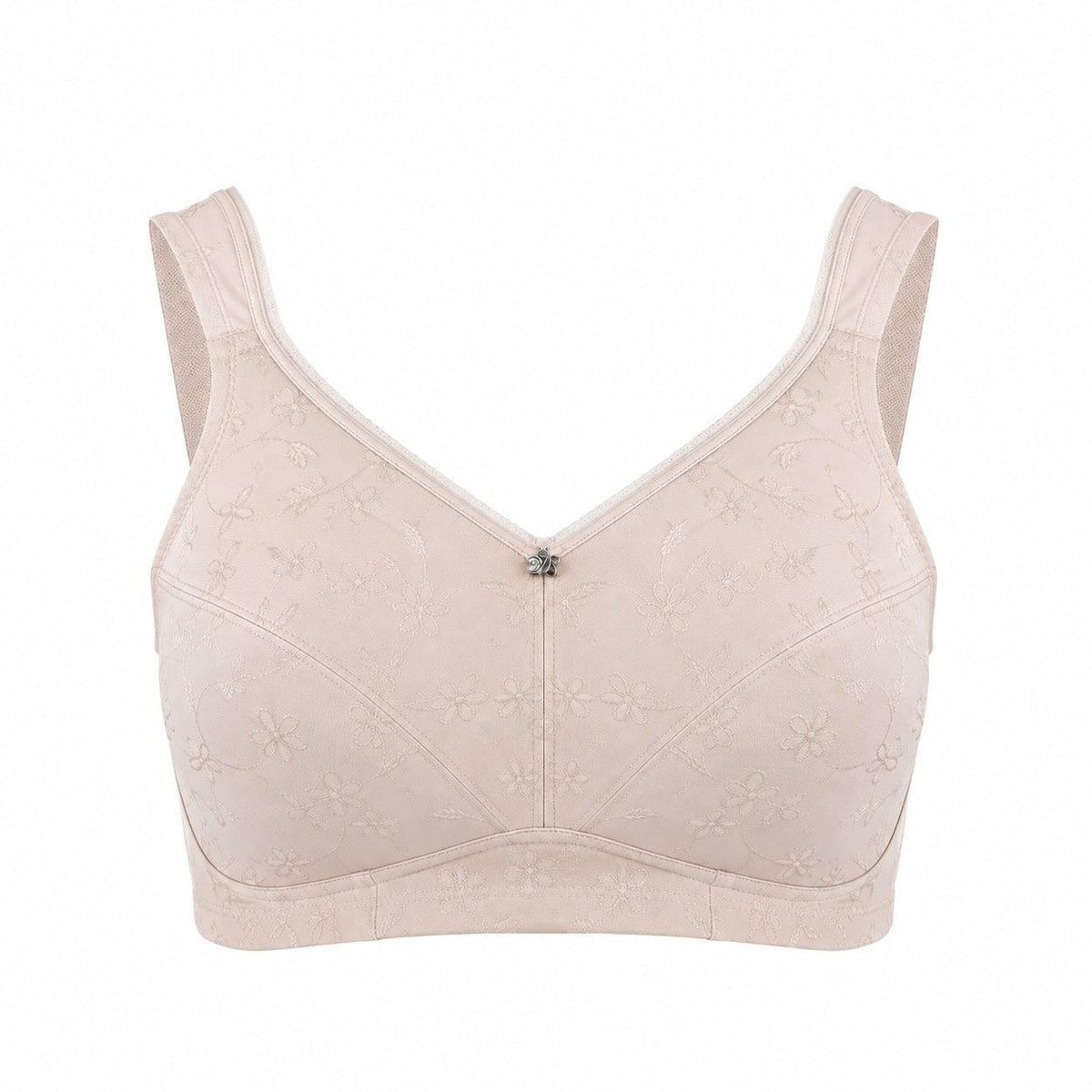
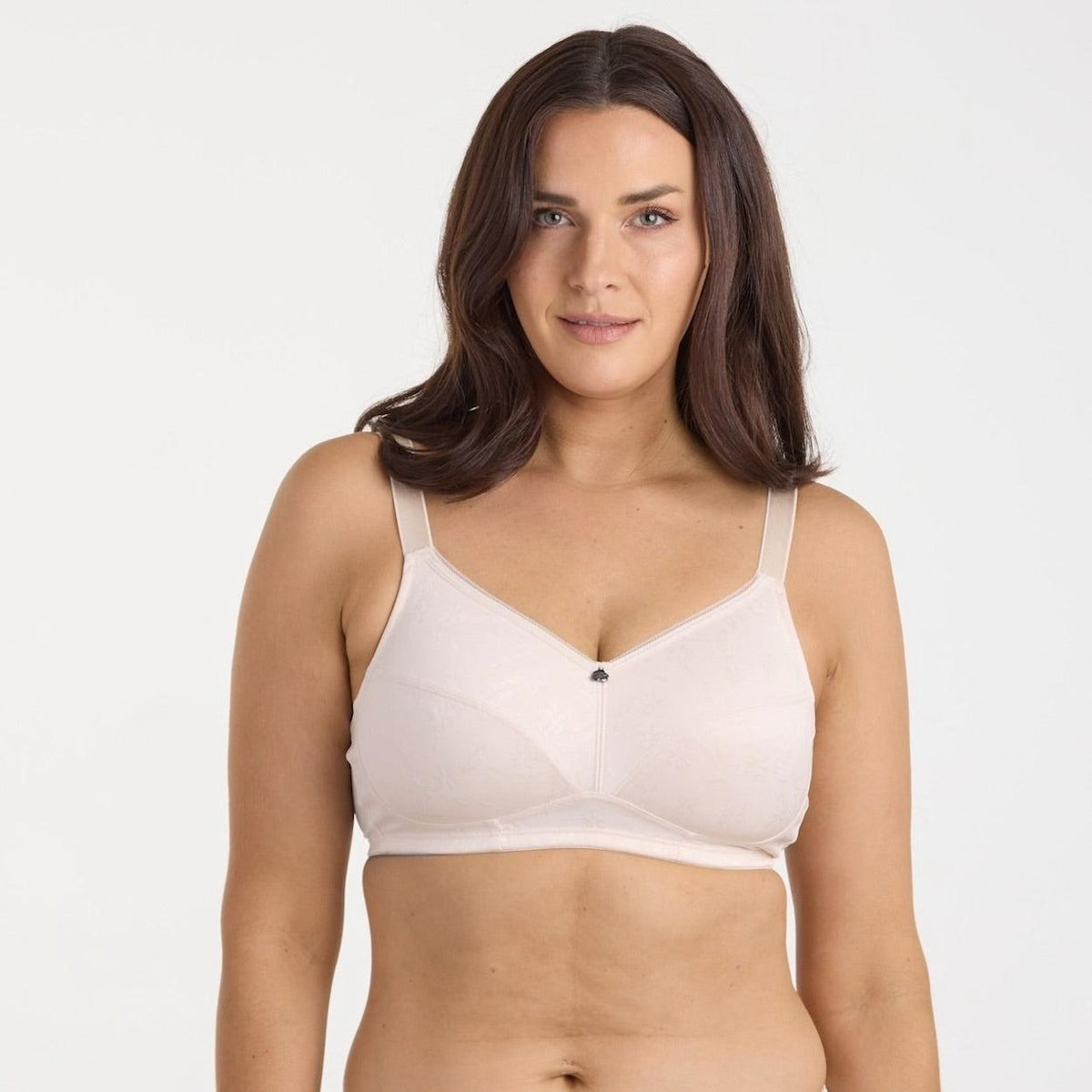
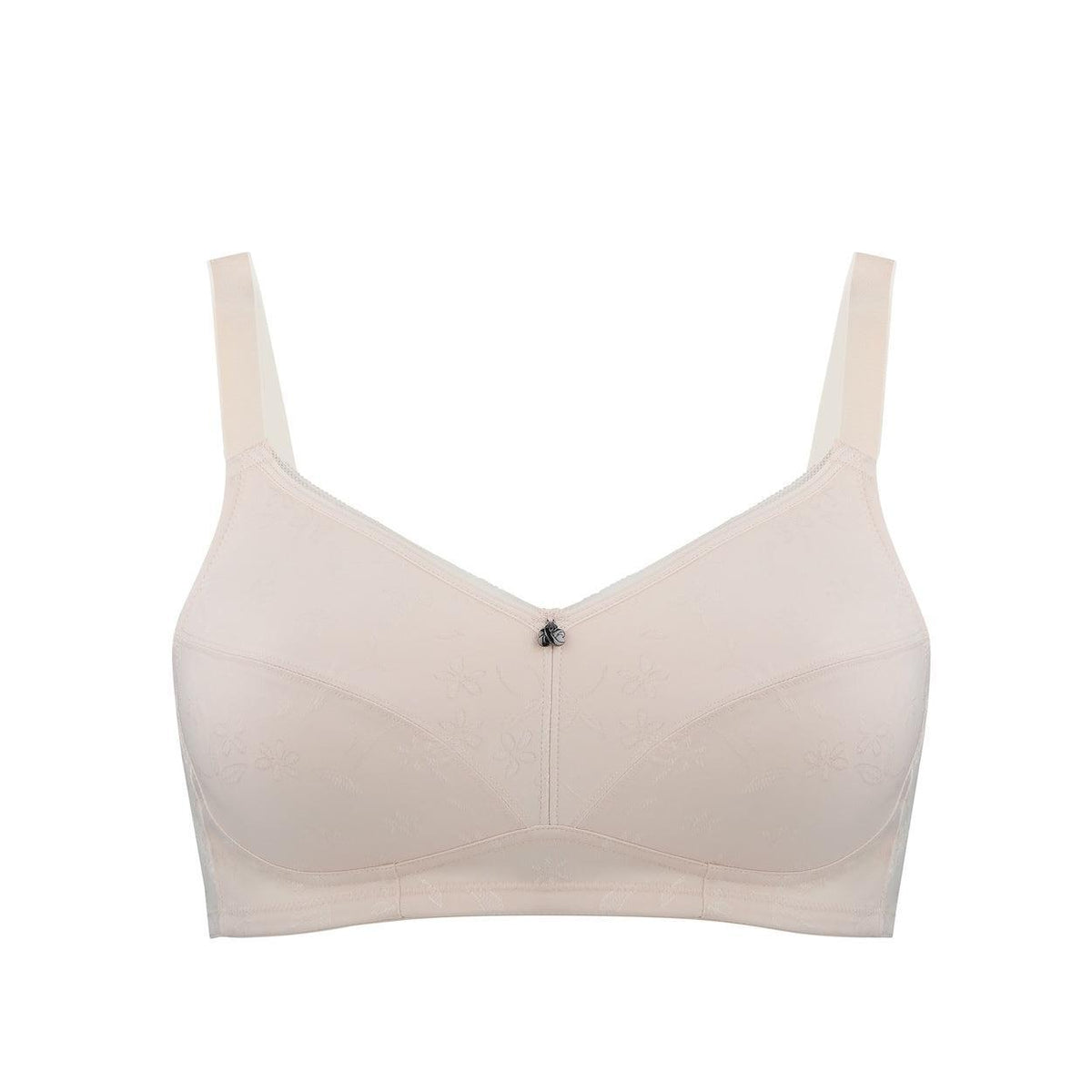
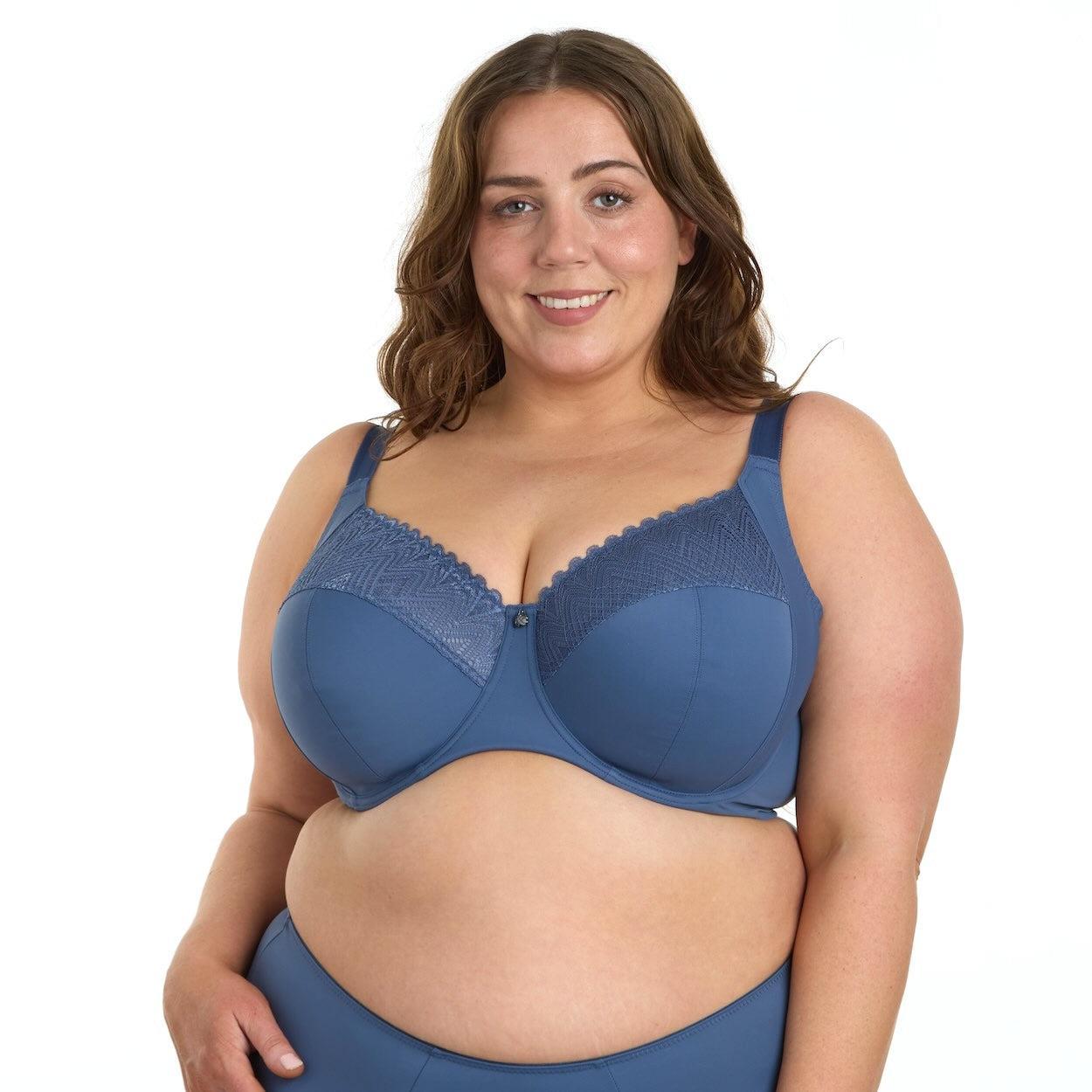
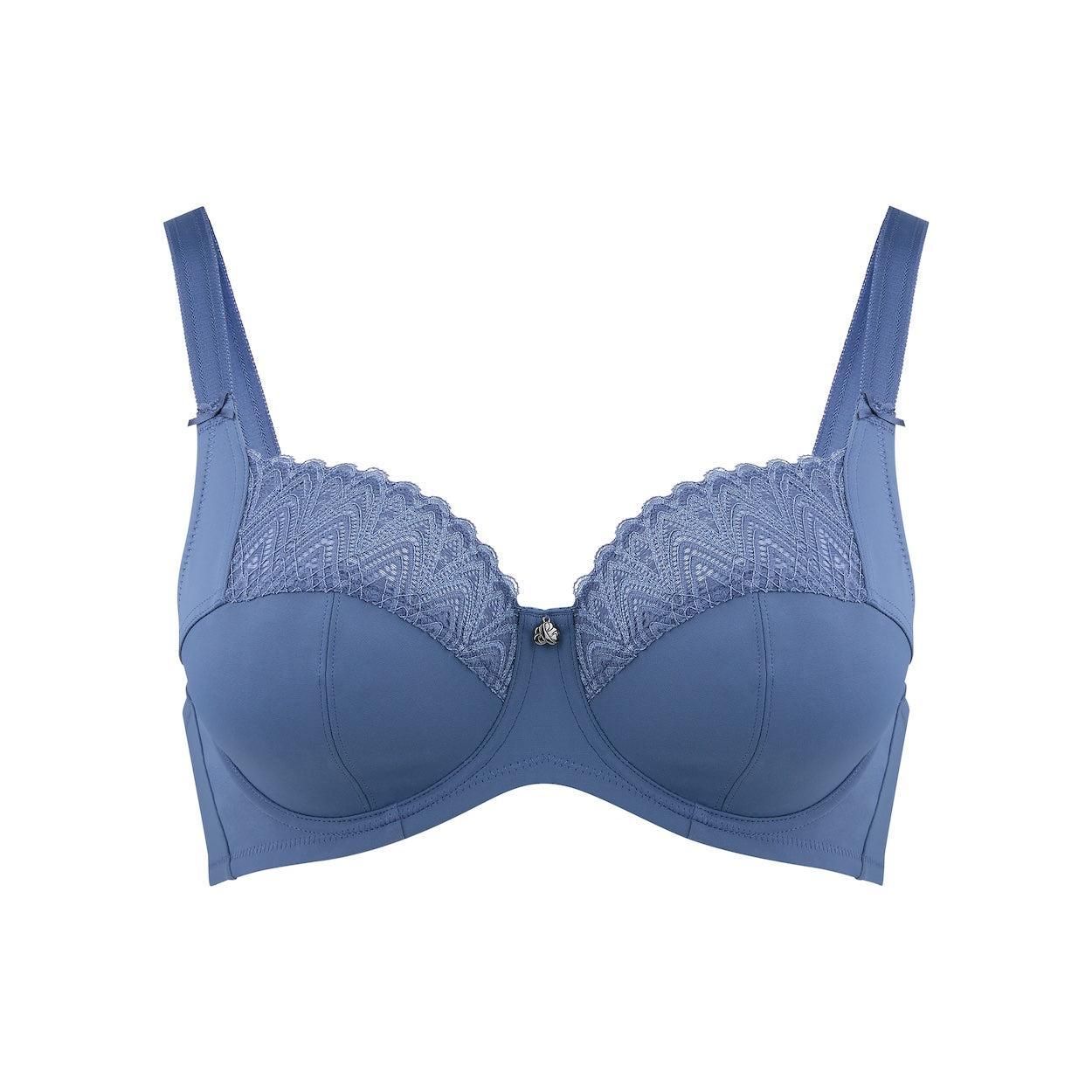
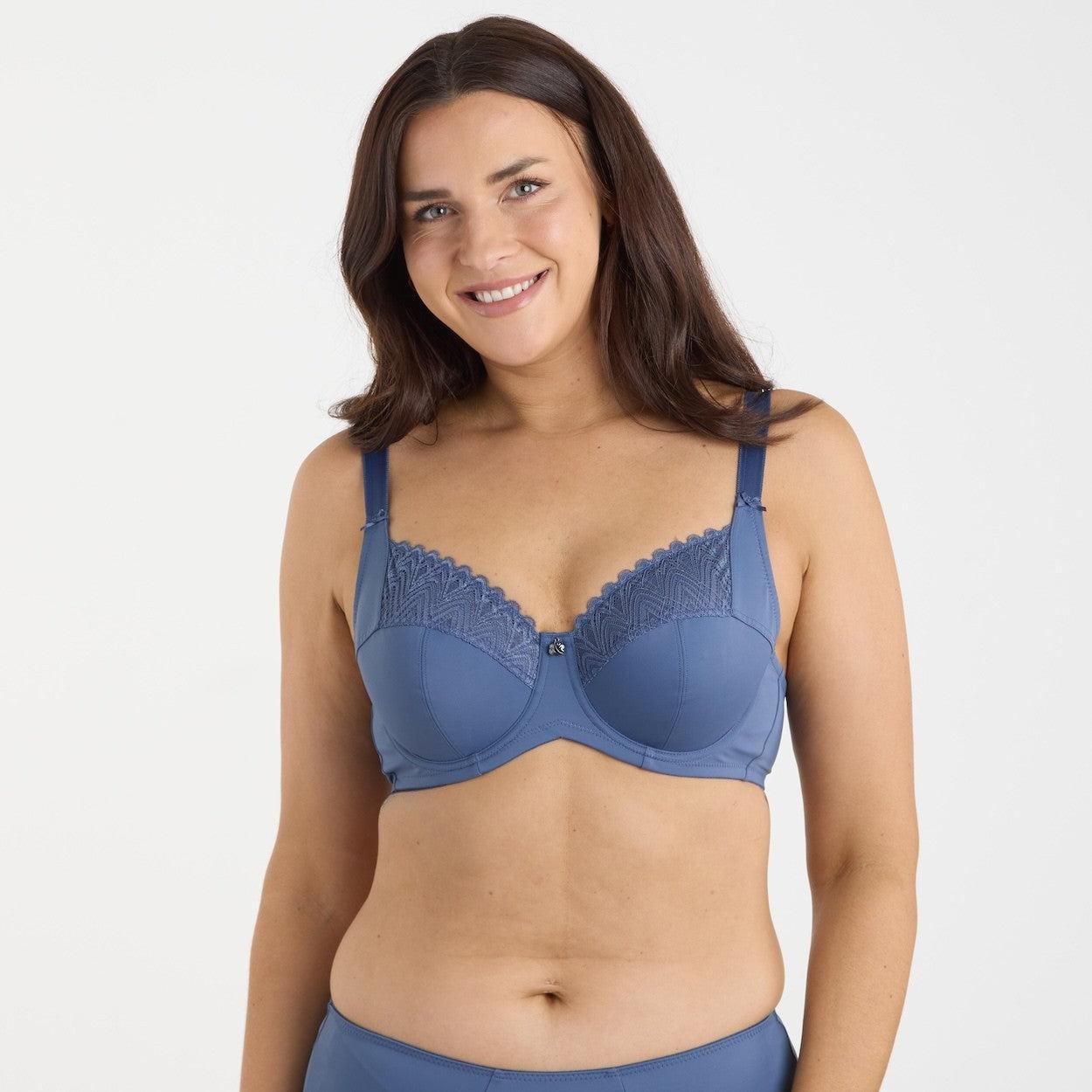
From there, think about cup style. If you’re dealing with gaping or changes in upper fullness, lace cups can be a welcome change from rigid moulded styles. Rather than holding one fixed shape, they adapt more naturally to changes in breast fullness and shape, making them a more forgiving choice if your body tends to fluctuate.
You’ll also find that Rose & Thorne bras feature Forgiving Fit™ technology, which gives a little more flexibility through the cups and band, helping them accommodate more of your body’s natural fluctuations without compromising on support.
And for more guidance on picking out a fabulous new bra, be sure to read Best Bras for Ageing Busts for more insight.
How Rose & Thorne Helps Women Through Menopause
If there's one thing we'd love you to take away from this article, it's that there's nothing "wrong" with your body.
After fitting thousands of women across New Zealand and Australia, we've learnt that menopause impacts everyone differently. And when it comes to bras, it’s often a combination of small changes that make an old favourite stop feeling like itself.
Whether that's a different size, a different style, or simply a little more flexibility through the cups, the right bra makes a real difference to how you feel in your skin.
Menopause is one of the biggest reasons women who haven't changed bra size in years suddenly benefit from being professionally fitted again. Book an online bra fitting with one of our bra gurus, and let us help you find the perfect fit. See our range of Bra Fit tools, and our Bra Fit Quiz too.