How to Measure Your Bra Size at Home
If you’ve ever stood there half-dressed with a measuring tape thinking, surely this shouldn’t be this complicated, you’re right, it shouldn’t be.
There’s a stat that gets thrown around a lot, that around 80% of women are wearing the wrong bra size. It’s shocking, but in our experience, it’s absolutely true. And honestly, its not because we’re all hopeless at shopping, it’s because bra sizing has been made way more confusing than it needs to be.
Different brands do things slightly differently, advice online can contradict itself, and half the time you’re left wondering if it’s your body that’s the problem.
It’s not.
You just need consistent sizing and a bit of context around how bras work and how they’re meant to fit. Once you’ve got that, everything else becomes a lot less frustrating.
What you need to measure your bra size at home
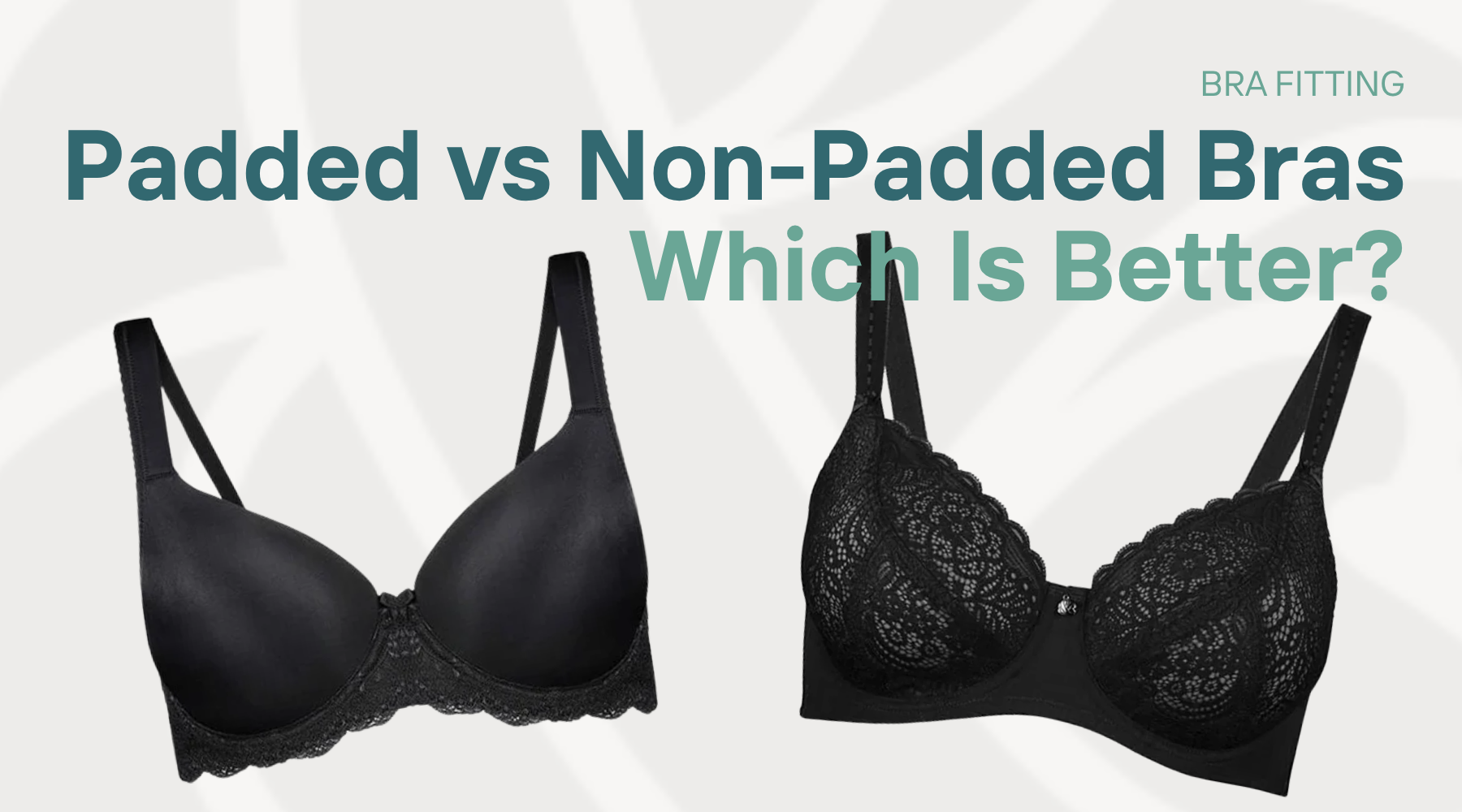
Before we get into it, let’s make sure you’ve got the bits and pieces you need to measure your bust at home. All you really need is a soft measuring tape, a pen and paper, and a bra that you think fits well and doesn’t get in the way of what you’re trying to measure. Ideally, that’s a non-padded bra.
The reason for that is that padding can change how your bust sits, which means you’re not measuring your natural shape, you’re measuring the bra. And that’s not very helpful when you’re trying to figure out what actually fits.
So if you’ve got a non-padded bra handy, pop that on. If not, just keep in mind you’re aiming to measure what your body is naturally doing, not what your bra is adding.
Already know your size, but it’s not in NZ sizing? Try our international bra size conversion chart.
How to measure your band size (underbust)
Start by standing up straight and wrapping the measuring tape around your ribcage, just under your bust where your bra band normally sits. You want it to feel firm, but not so tight that it’s digging in or uncomfortable.
Take a second to check it in the mirror if you can. The tape should be sitting level all the way around your body, not riding up or drooping at the back.
This measurement gives you your band size, which is what anchors the bra. If the band isn’t right, the rest of the bra ends up trying to compensate, and that’s when things like digging straps or shifting cups start to happen.
Once you’ve got that number, you can match it against the left two columns of our bra size chart to find your starting band size.

How to measure your bust size (overbust)
Now for the second half of the equation. Take the tape and measure around the fullest part of your bust. This is usually across the nipple line, but don’t overthink it, you’re just aiming for the point where your bust is fullest.
Keep the tape relaxed this time. Not loose and floppy, but definitely not tight. You don’t want to compress anything, just measure what’s there.
Again, make sure it’s sitting straight across your back. This is super important as measuring at an angle will make a difference to how accurate your measurement is.
How to work out your cup size
This is the bit that tends to sound more complicated than it actually is. Your cup size is basically just the difference between your underbust and overbust measurements. The bigger the difference, the bigger the cup.
Now, you can sit there doing the maths if you really want to… but honestly, there’s no need. The easiest option is to start with your underbust measurements in the chart below, and then track right along that row until you find your overbust measurement, which will let you know exactly what cup size you are.

Why your bra size might not feel consistent
You measure carefully, you get your size… and then you try on a bra, and it still doesn’t feel quite right. Sound familiar? That’s completely normal.
The band and cup work together, which means if one changes, the other has to adjust as well. So even if your measurements are spot on, you might still find that a neighbouring size feels better in a particular style.
That’s where crossover (or sister) sizing comes in.
For example, if your cups feel right but the band is a bit snug, you might go up a band size and down a cup size to keep the same volume. It sounds a bit backwards at first, but once it clicks, it makes bra shopping so much easier.
If you want that explained in a way that actually makes sense, our guide to bra crossover sizes walks you through it.
Why measuring is just a starting point
Now, there’s something really important that most “how to measure” guides skip over. And that’s that your measurements give you a starting size, not a definitive ruling in what size you ‘should’ be.
That’s because bras aren’t exact. Bra sizes can fluctuate between brands; and even within the same brand, different styles can sit differently on your body. Every bra is shaped, structured, and designed in styles and fabrics that interact with your body slightly differently.
Two bras in the same size can feel completely different depending on:
-
the shape of the cup
-
how deep it is
-
how the support is built
So if you measure as, say, a 14F, that doesn’t mean every 14F will fit the same way. It just gives you a really good place to begin.
How your bra size changes over the day
Another reason sizing can feel inconsistent is because your body isn’t static. Your bust can go through subtle changes throughout the day, across your cycle, or with things like weight changes and temperature. It’s not so obvious that you’d notice it visually, but it’s enough to affect how a bra feels.
At Rose & Thorne, our Forgiving Fit™ technology keeps that in mind. Instead of rigid cups and bands that expect your body to stay exactly the same, our bras have integrated stretch to allow for a bit more movement and flexibility, so they adapt to those changes.
That’s one of the reasons women who are ‘in between sizes’ particularly love our bras. Because there’s crossover between each band size, you can size up or down while still getting a great fit.

Signs your bra size might not be quite right
If you’re still not sure whether your current size is working for you, listen to what your bra is telling you. Sometimes it’s obvious, like straps digging into your shoulders or a band riding up your back. Other times it’s more subtle, like feeling the need to adjust it throughout the day, or just being more aware of it than you’d like.
A good bra should go under the radar, staying in place and doing its job.
If you’re dealing with any of the struggles we’ve covered, it’s worth understanding what’s causing them. We go into that in more detail in How Supportive Bras Work (and What The Others Do Wrong).
Still unsure? Phone a friend
Even with measurements, bra sizing charts, blogs and reviews, finding the perfect bra can still feel a bit like searching for a needle in a haystack.
That’s exactly why we offer online bra fittings.
Forget what you think you know about bra fittings. There are no awkward encounters or ice-cold hands here! Ours are more like having a chat with someone who knows what they’re talking about. You can tell us what’s not working, what you’ve tried before, and get guidance that actually makes sense for your body. All without getting your boobs out.
Shop the best bras at Rose & Thorne
Measuring your bra size at home is a great place to start, but it’s not the end of the story. The goal isn’t to land on one perfect number and never question it again. It’s to understand how your bra should feel, what to tweak when it doesn’t, and how to recognise when you need to replace or remeasure.
If you’ve taken your measurements and are ready to give it a go, start by searching for bras by size and then tweaking things from there. Have something specific in mind? Try shopping by colour.
Need a sports bra too? Make sure you read How To Get The Right Fit From Your Sports Bra.
FAQs: Measuring Your Bra Size at Home
Still have a few questions? Here are some of the most common things women ask when measuring their bra size at home.
How do I measure my bra size at home?
To measure your bra size at home, you’ll need two measurements: your underbust (band size) and your overbust (cup size). Measure snugly around your ribcage for your band, then measure around the fullest part of your bust, and then find both on our chart.
What is the easiest way to find my bra size?
The easiest way is to measure your underbust and overbust, then use a bra size chart to convert those numbers into a size. This gives you a good starting point without needing to do the maths yourself.
Can I measure my bra size without a bra on?
You can, but wearing a non-padded bra is usually more accurate. It helps keep your bust in a natural position without adding shape or volume, which makes your measurements more reliable.
Why does my bra size change depending on the bra?
Bra sizes can feel different depending on the style, shape, and structure of the bra. Even if the label is the same, things like cup depth and support design can affect how it fits on your body.
What are crossover (sister) bra sizes?
Crossover sizes are different bra sizes that have the same cup volume but a different band size. For example, if your band feels too tight in a 12F, you can go up a band size and down a cup size (to a 14E) to keep the same fit through the bust.
Why does my bra feel tight some days and loose on others?
Your body naturally changes throughout the day and across your cycle. Things like hormones, temperature, and movement can affect how your bra feels, which is why a flexible fit can make a big difference.
How often should I remeasure my bra size?
It’s a good idea to remeasure every 6-12 months, or any time your body changes. Weight fluctuations, hormonal changes, and life stages can all affect your bra size over time.
What if my measurements put me between sizes?
If you’re between sizes, you can try a neighbouring size using crossover sizing. Some bras are also designed with a bit of flexibility, which helps accommodate those in-between measurements more comfortably.
Is it better to get fitted or measure at home?
Measuring at home is a great starting point. But if you’re unsure or struggling to find the right fit, an online bra fitting can help you fine-tune your size and find styles that suit your body.