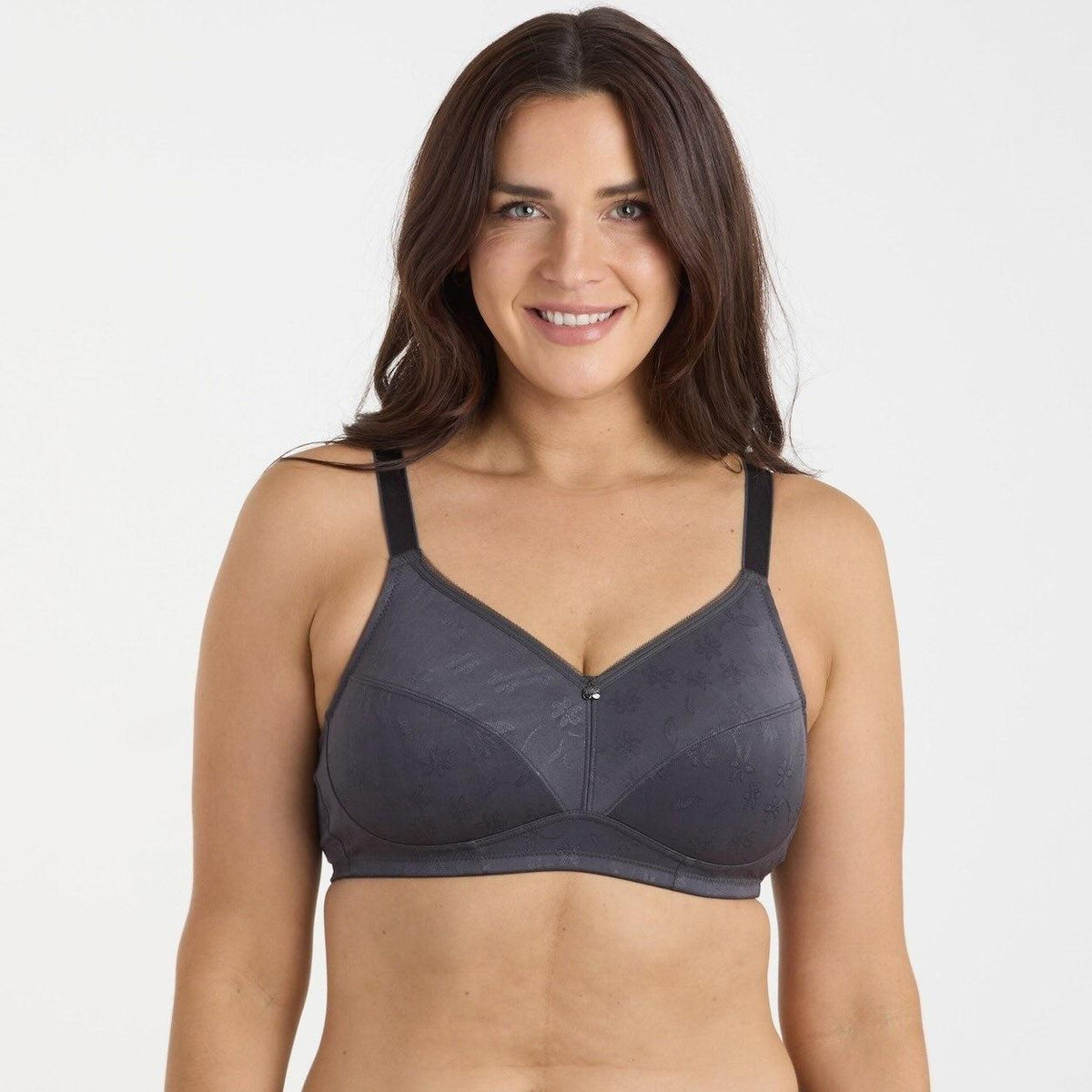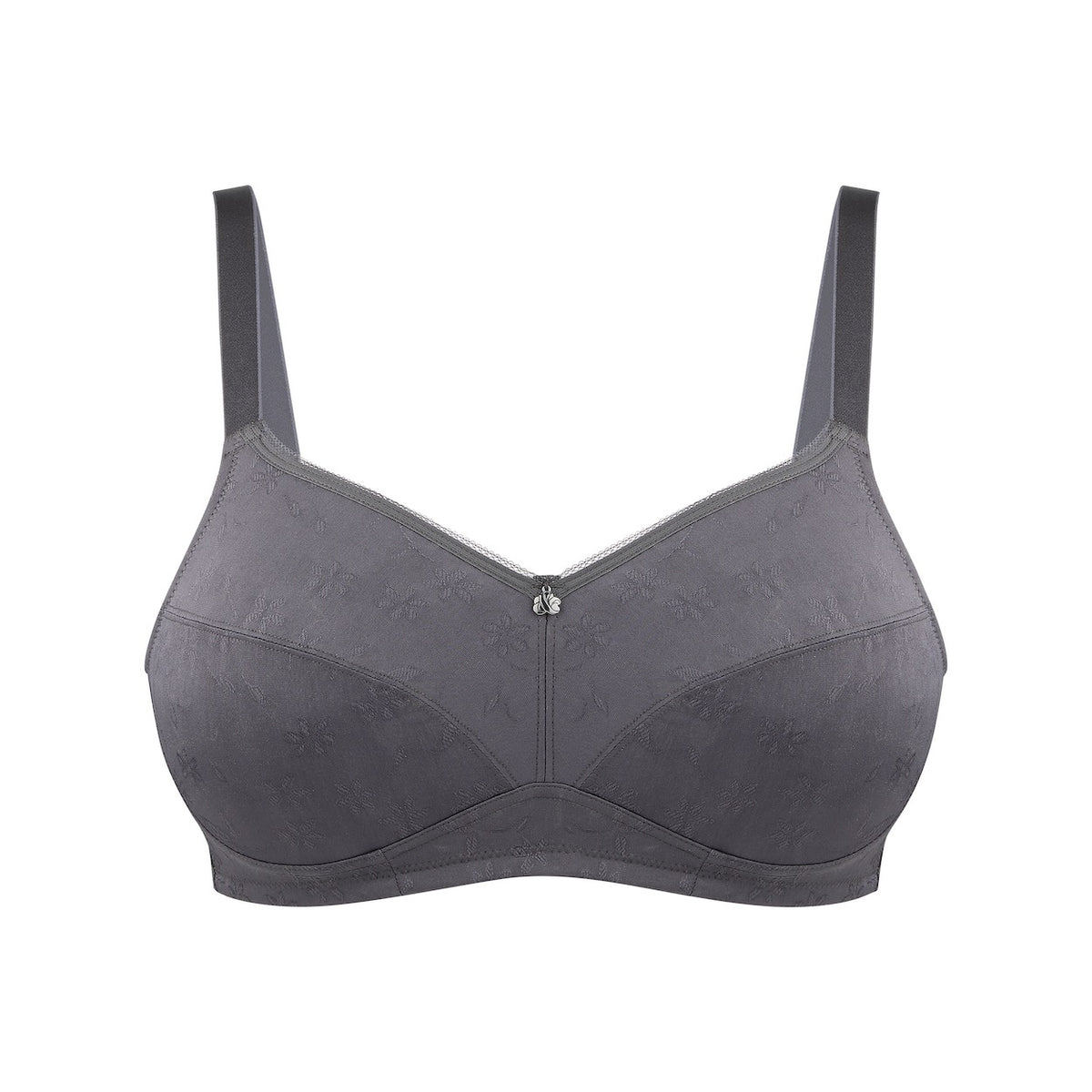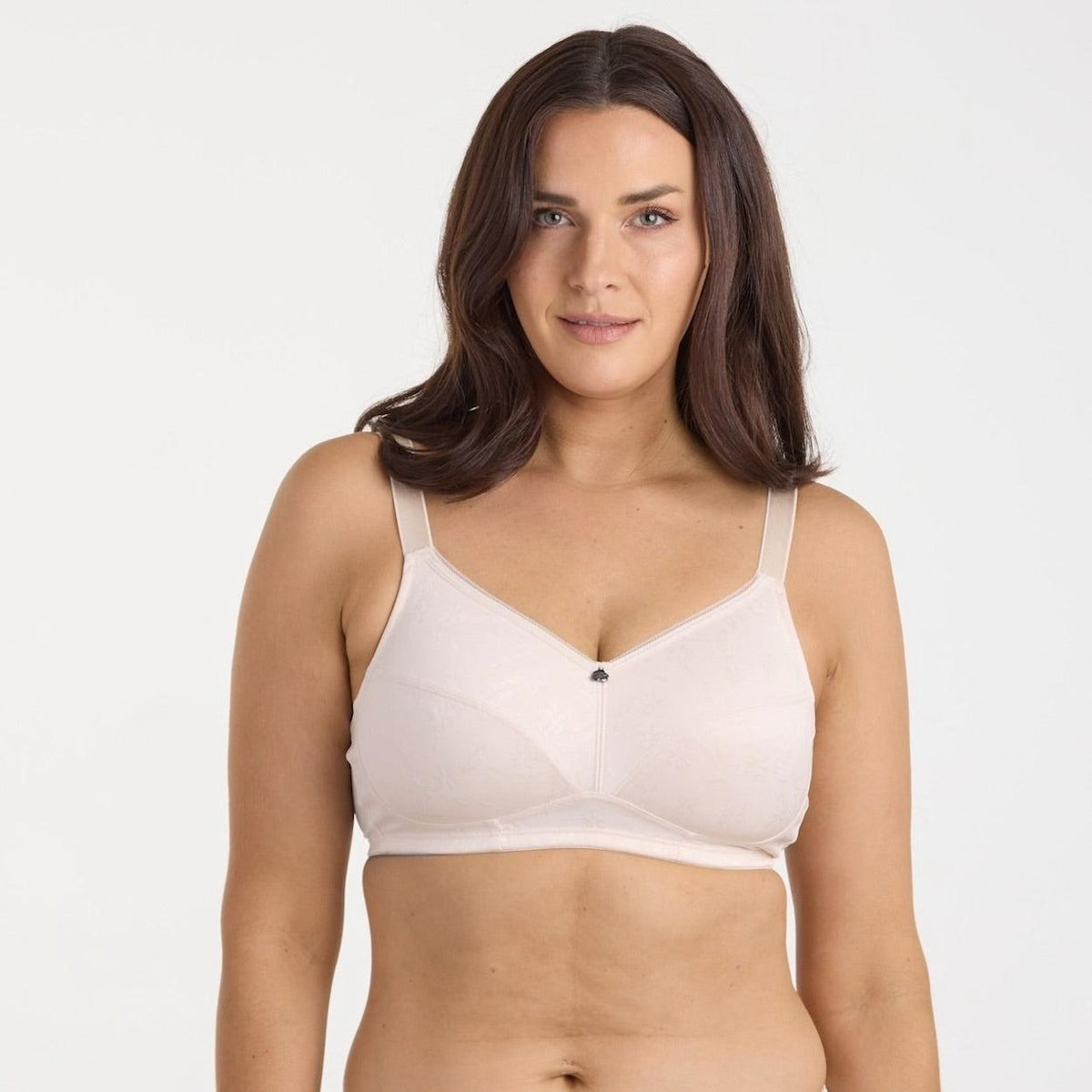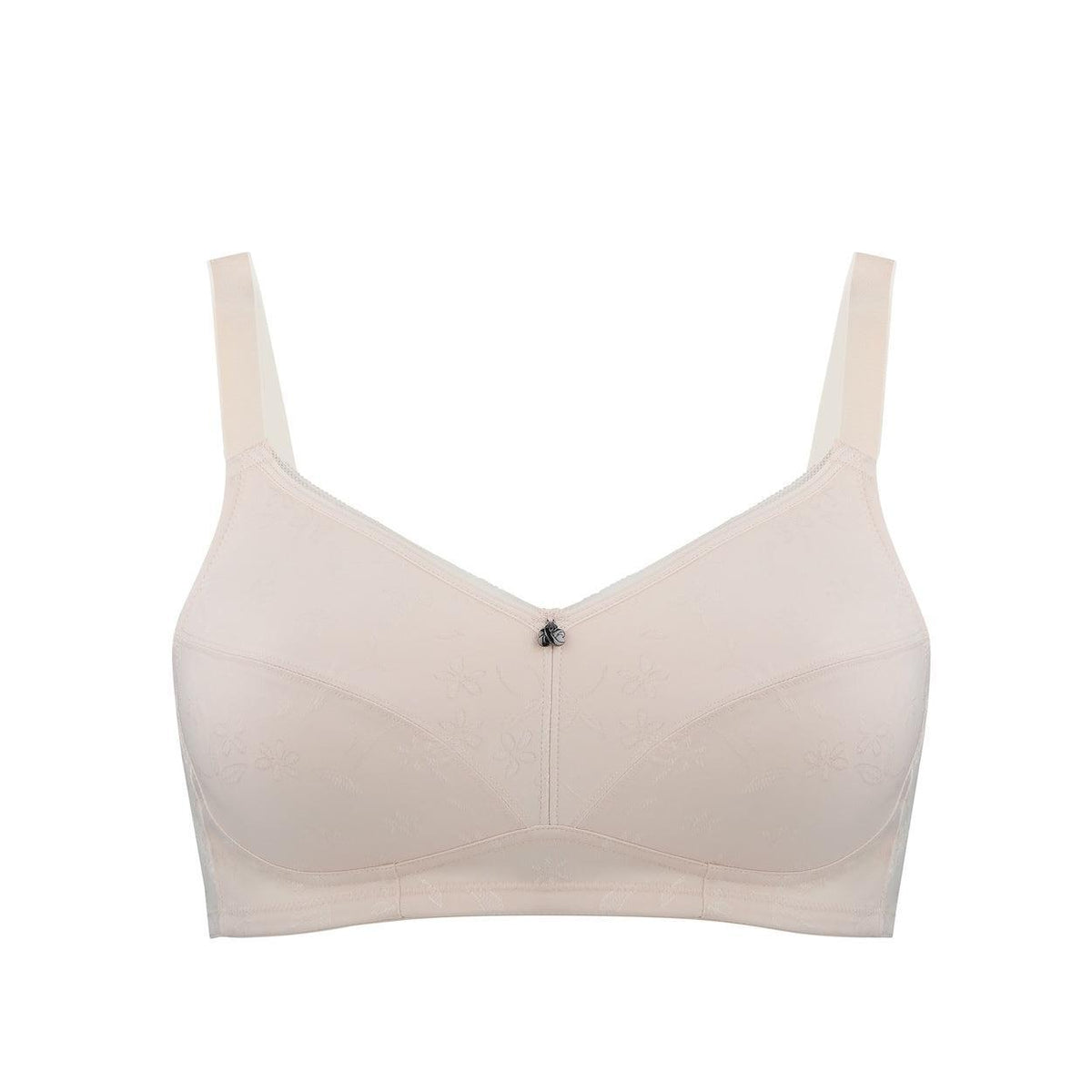
Best Bras for Ageing Busts
At some point, the bras that used to fit your body perfectly just… don’t. It might still be your usual size. It might even look fine when you first put it on. But something feels off. Your bras start feeling less supportive, less comfortable, and less flattering.
If your bra feels worse as the day goes on, it’s usually a support issue, not a “you” issue. Your body has changed, and your bras haven’t kept up.
At Rose & Thorne, we see this all the time in our online fittings with women across New Zealand and Australia. It’s one of the most common reasons that women have to refresh their bra collection every few years, as their bodies change.
Once you understand what’s going on, it becomes much easier to choose styles that actually work for you now, rather than trying to make old favourites keep doing a job they weren’t designed for.
How Breast Shape Changes With Age
As we get older, breast tissue softens. They’re made up of a mix of glandular tissue, fat, and connective tissue like collagen and elastin, which help give them firmness and shape. But from our mid-20s onwards, collagen production begins to decline at around 1% per year, and elastin fibres stretch over time. That means the internal “scaffolding” that once helped breasts hold their shape gradually gets weaker.
Combine that with hormonal changes, pregnancy, breastfeeding, or weight fluctuations, and we’re left with breast tissue that sits lower on the chest and is less pert than it once was. It’s completely natural, but it does change what you need from your bra.
Most women notice that where volume might once have been evenly distributed or sat higher on the chest, it now tends to settle lower in the cup. At the same time, the upper part of the breast can feel softer or less filled out than it once did. So, a style that used to sit smoothly across the top of the cup might now gape slightly.
The biggest shift, though, is that as breast tissue becomes less self-supporting, your bra needs to start carrying its weight.
Why Bras Stop Fitting Properly As You Get Older
A bra that worked beautifully a few years ago was designed for how your body sat at that time. If your breast tissue was more self-supporting or sat higher in the cup, a lighter structure may have been enough.
A cup that once felt like a perfect fit might now feel slightly shallow. Straps that were once just there to stabilise might start taking on more weight than they should. Those flimsy, unsupportive bras you might have got away with wearing when your breasts were doing the work will start letting you down.
This is often when women start tightening straps to compensate. It can seem like it helps at first, but it usually just shifts more pressure onto the shoulders without actually improving support.
We break that down in more detail in our guide Is Your Bra Doing the Work, or Are Your Straps?
What a Supportive Bra Looks Like
As your body loses its elasticity, you need a bit more from your bra. The right one is less influenced by style and more by construction.
Good support comes from three things working together: the band, the cups, and the internal structure.
The band is where the majority of the ‘lift’ should come from. When a band is firm and fits well, it anchors the bra to your body and takes most of the weight.
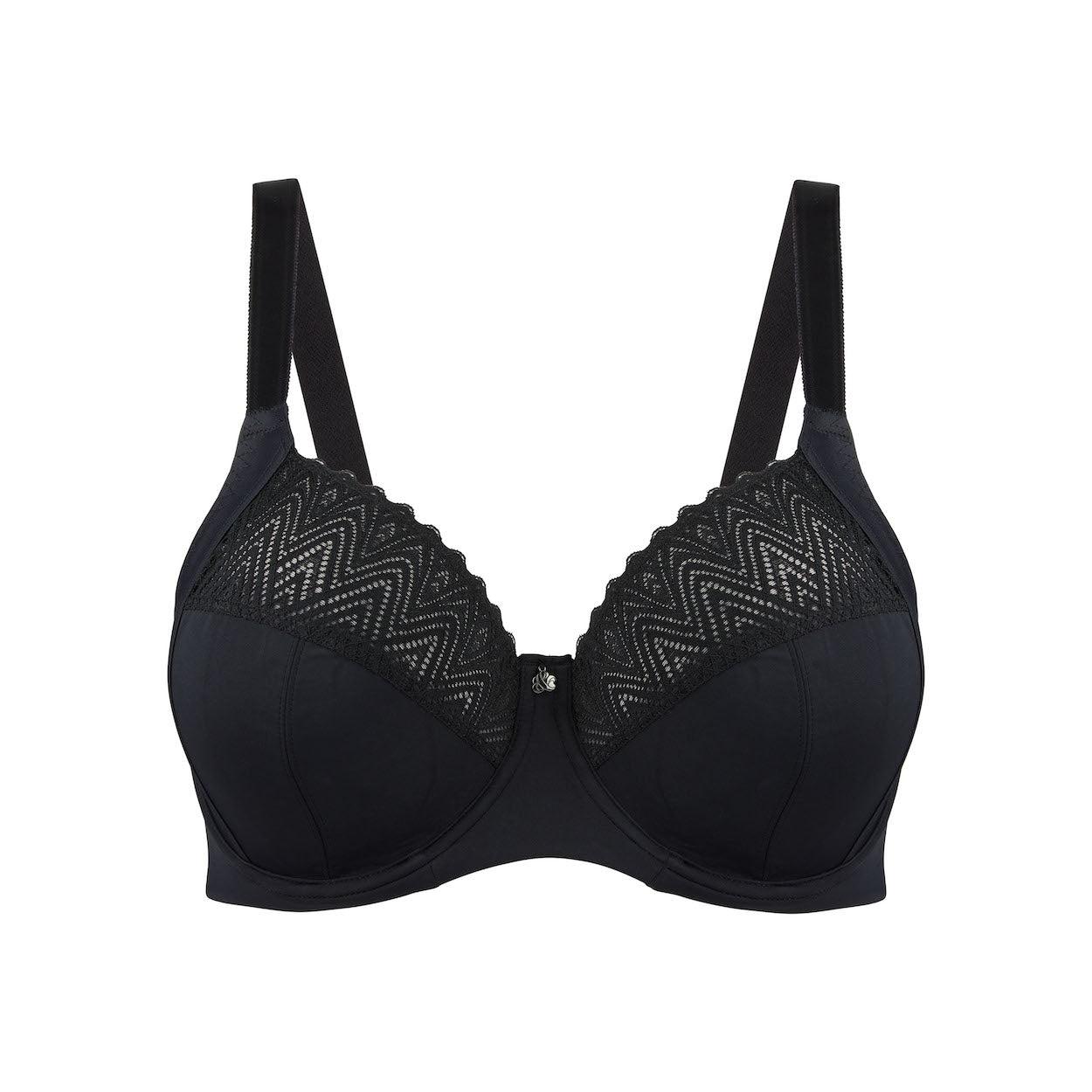
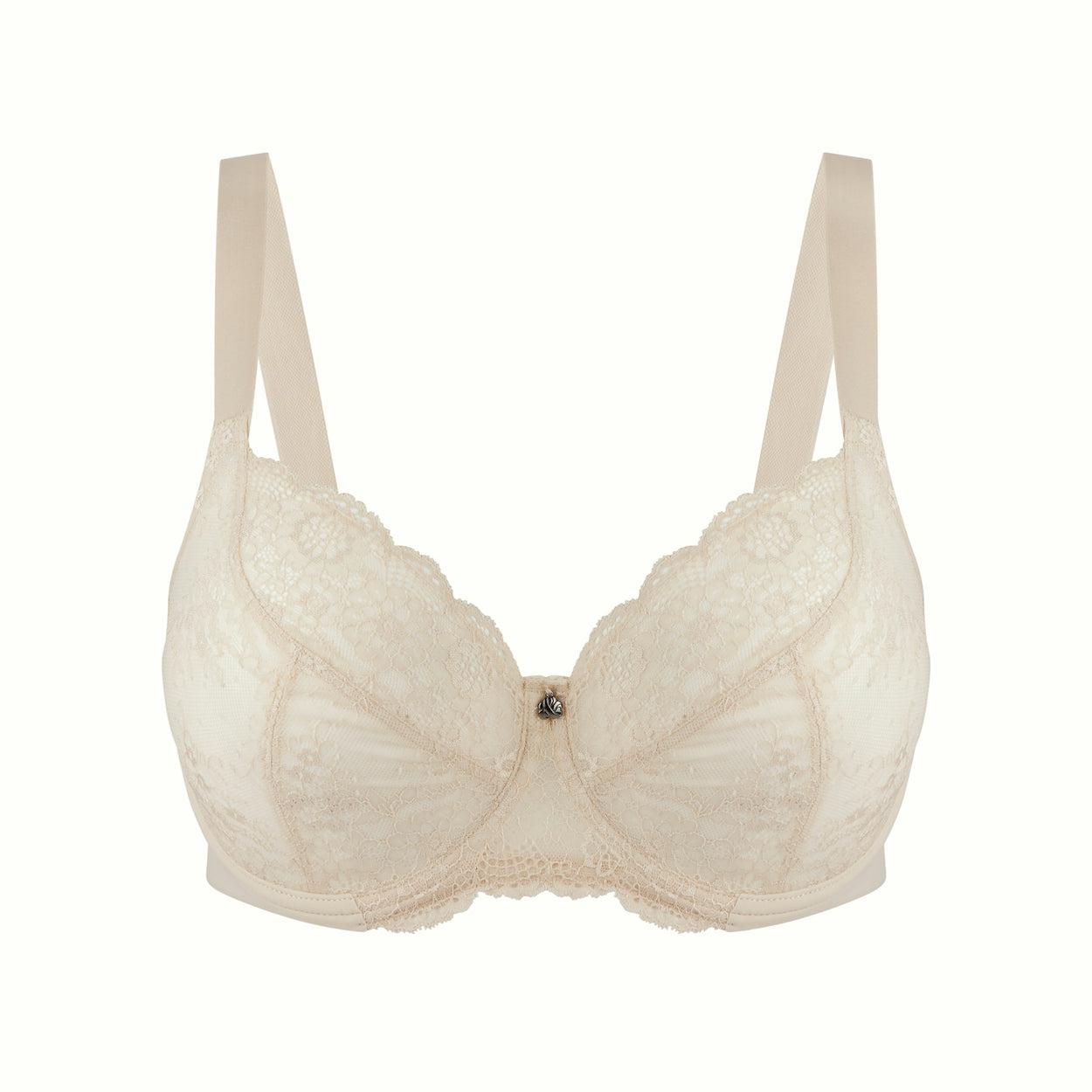
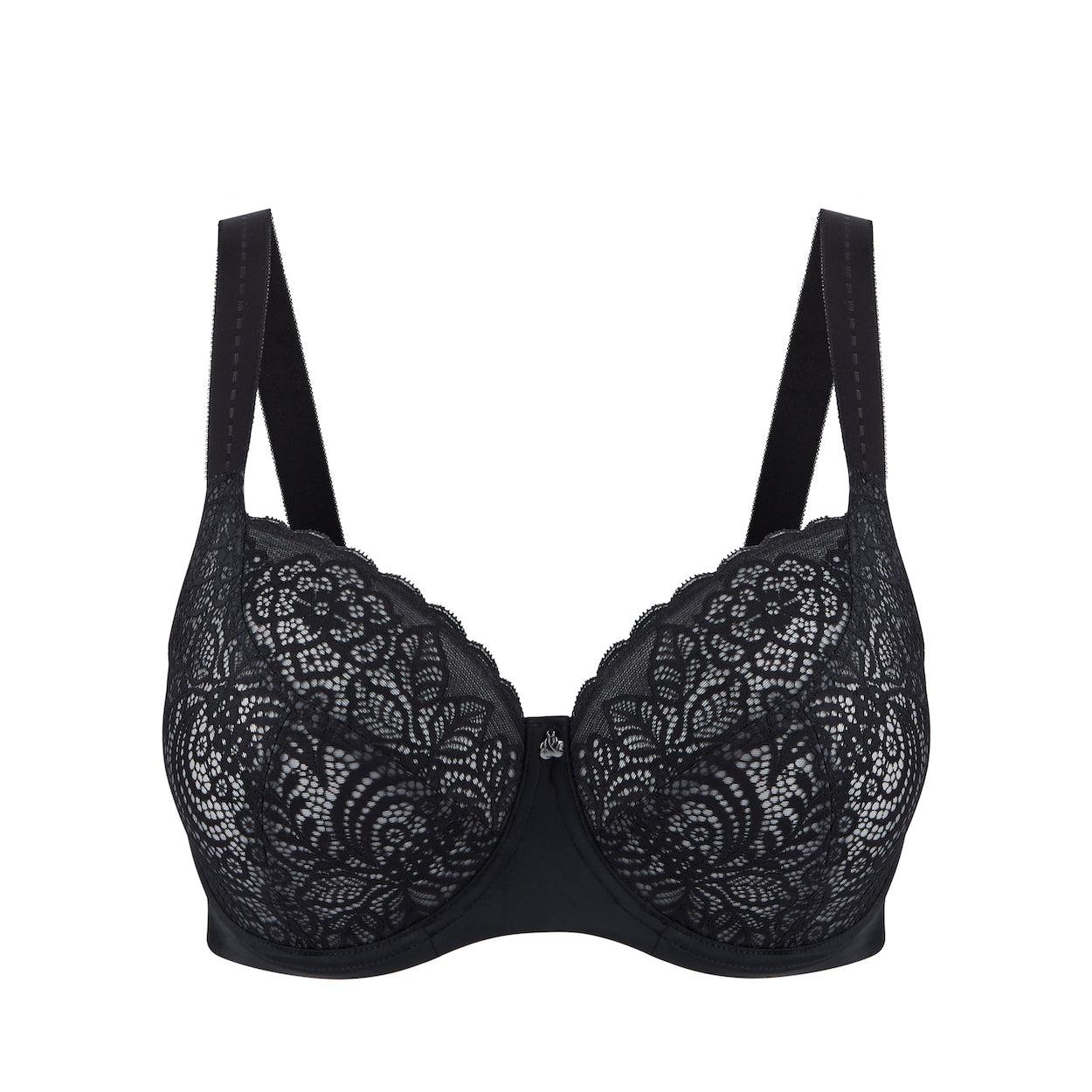
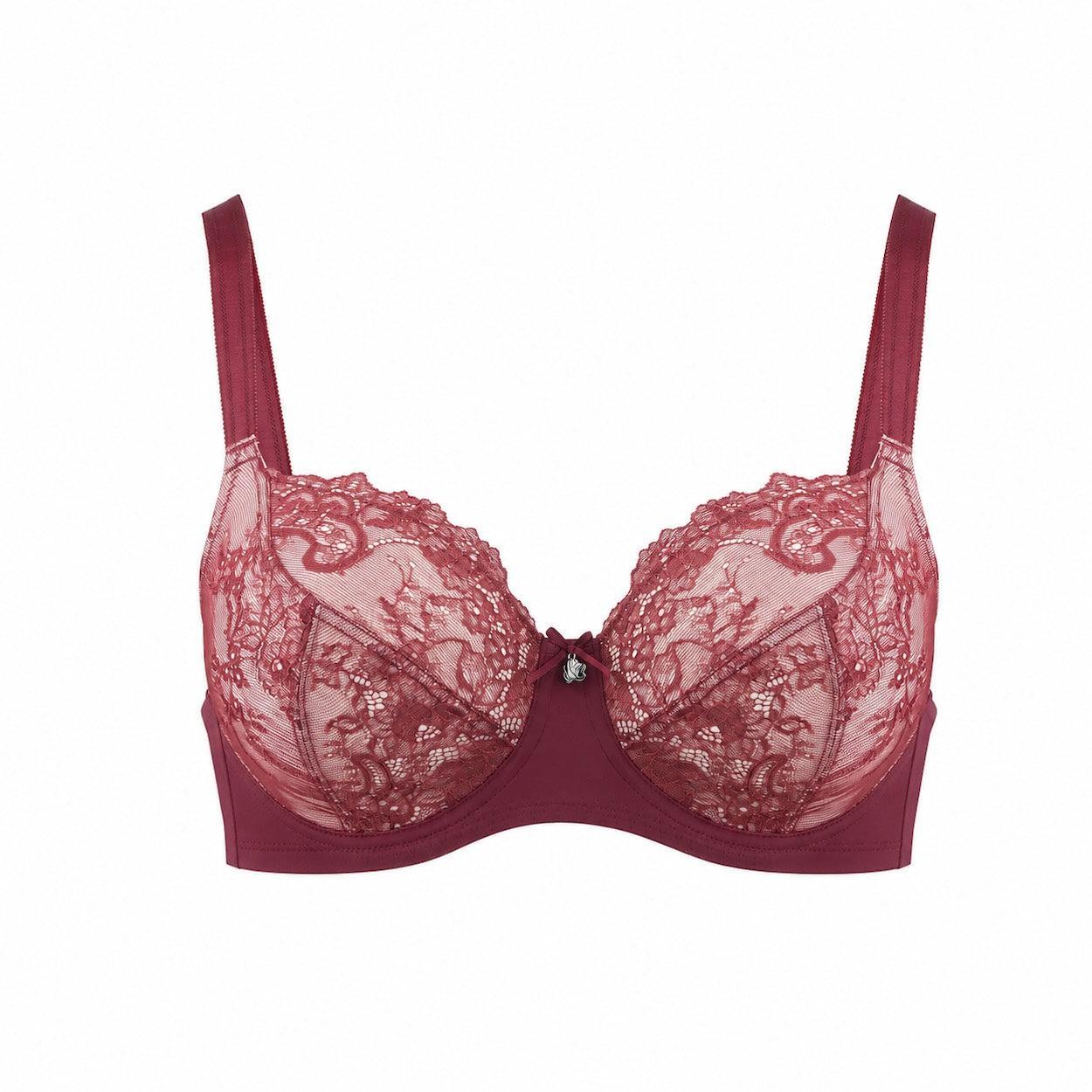
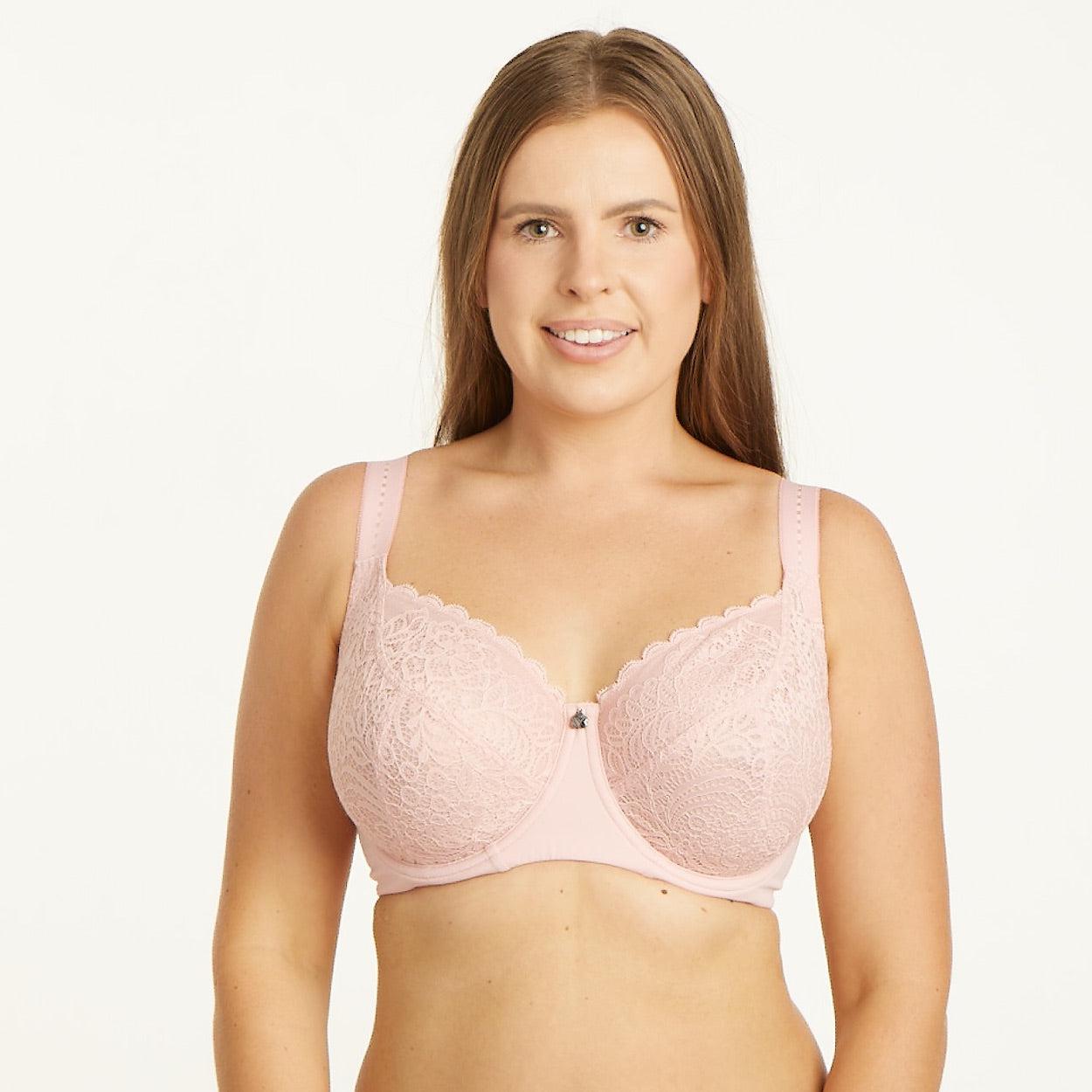
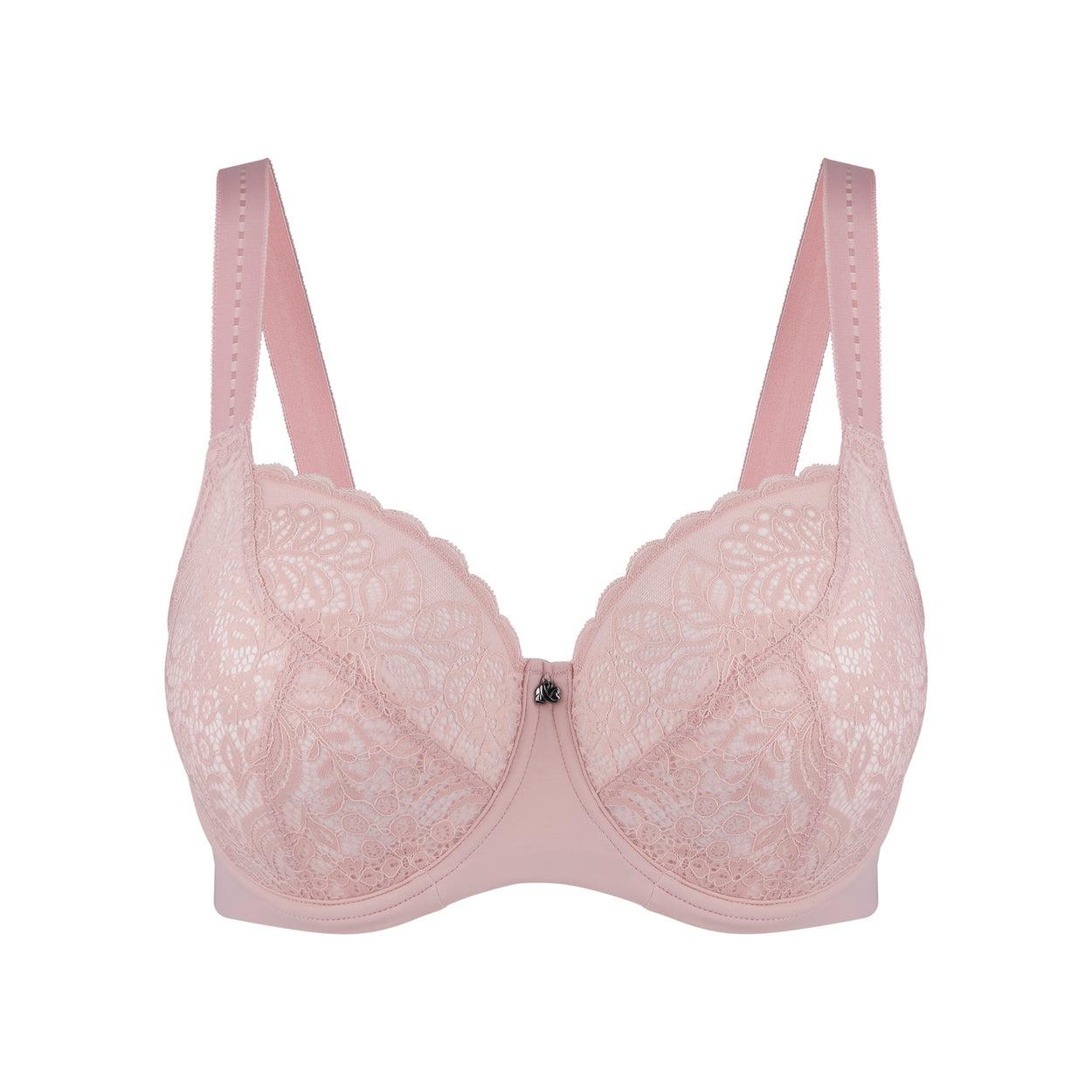
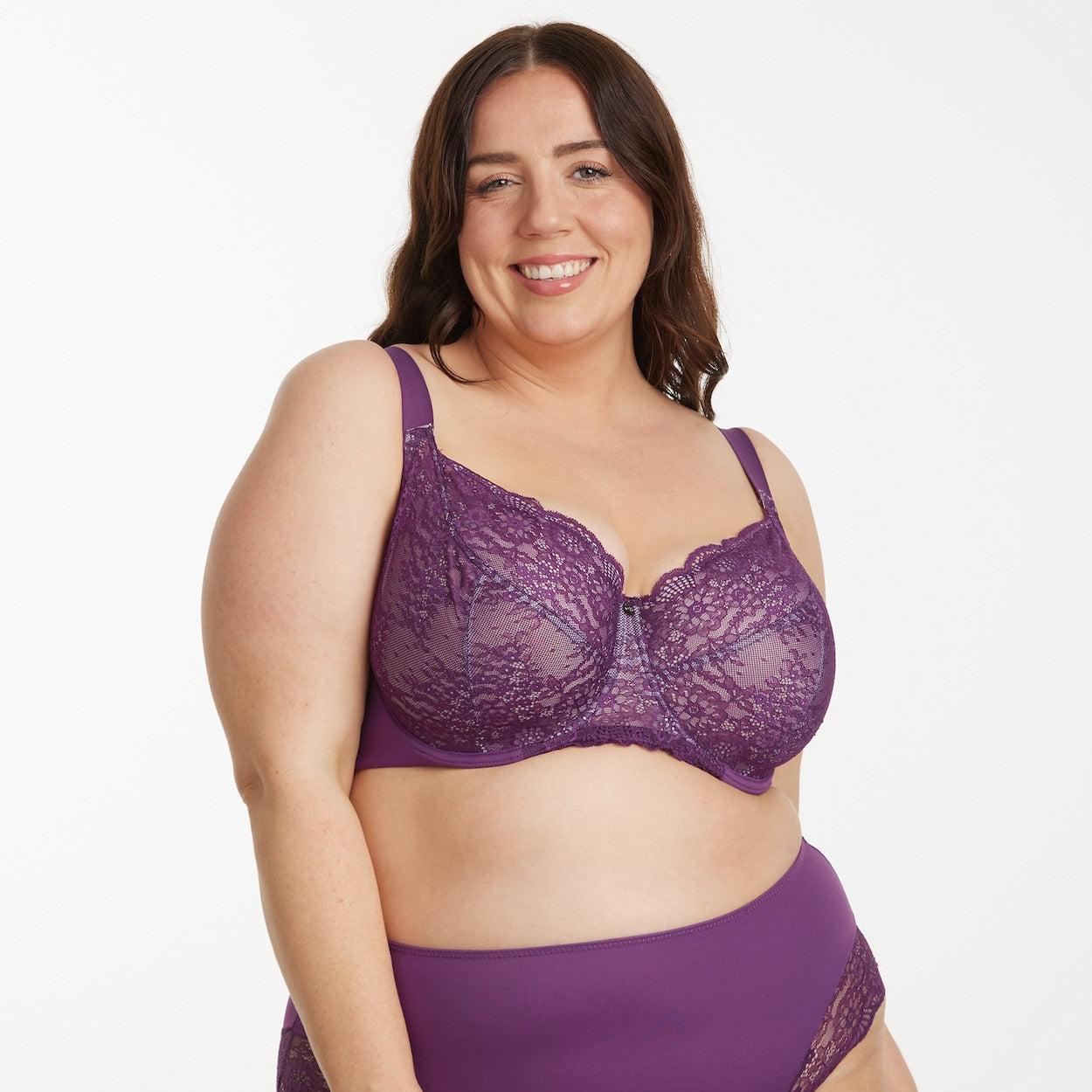
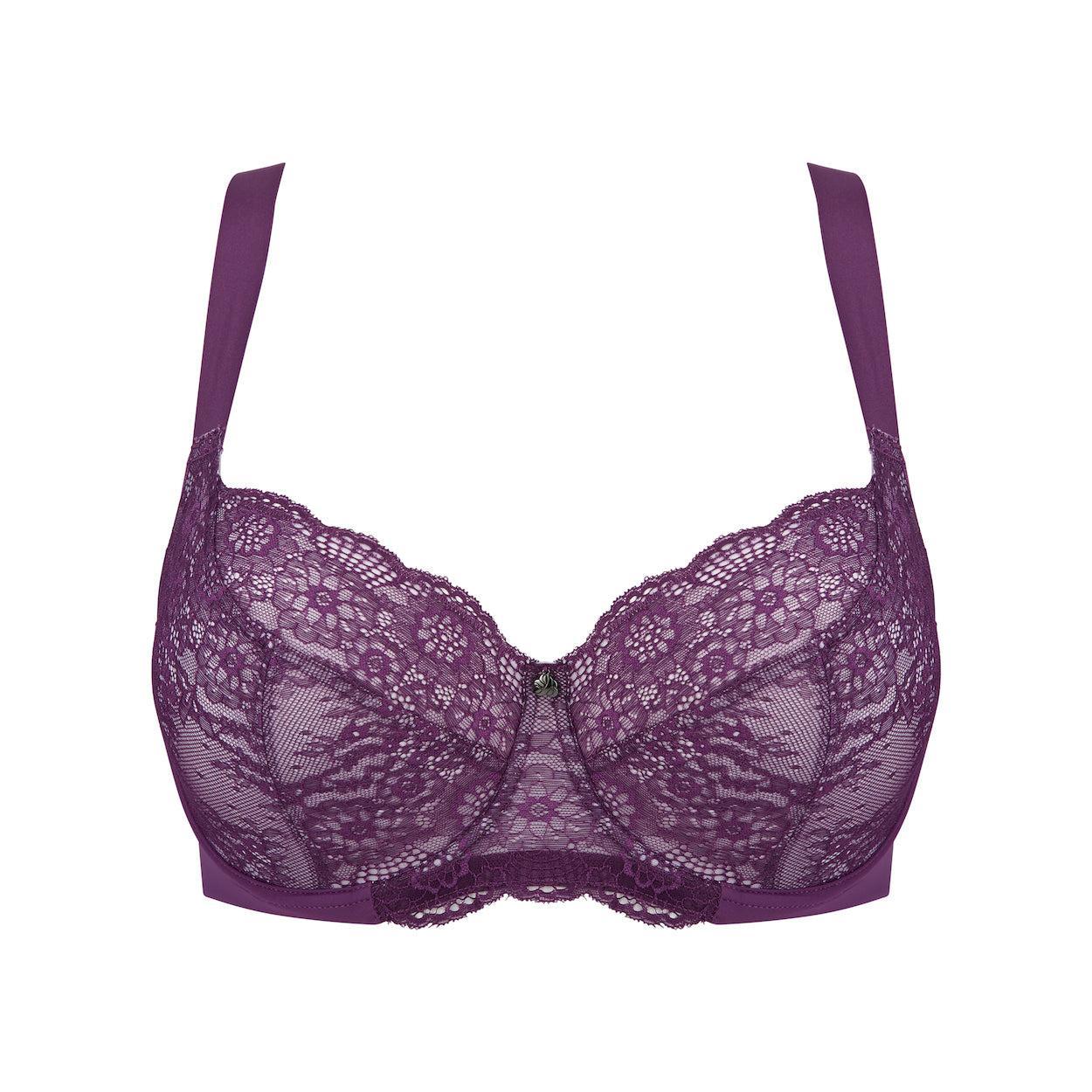
From there, the cups need to properly contain your breast tissue and support it from underneath, especially when more of your volume is sitting lower. A deeper cup allows your bust to sit naturally, rather than being pushed or flattened into a shape that doesn’t suit you.
Side support also becomes worth its weight in gold. As tissue softens, it can spread outward more easily. A bra with side panels helps bring everything forward and keeps you centred.
This combination is what gives you a flattering shape and more importantly, keeps you comfortable.
What Bras to Avoid for Ageing Breasts
Some bras simply aren’t built for how breast tissue changes over time, even if they look appealing on the hanger.
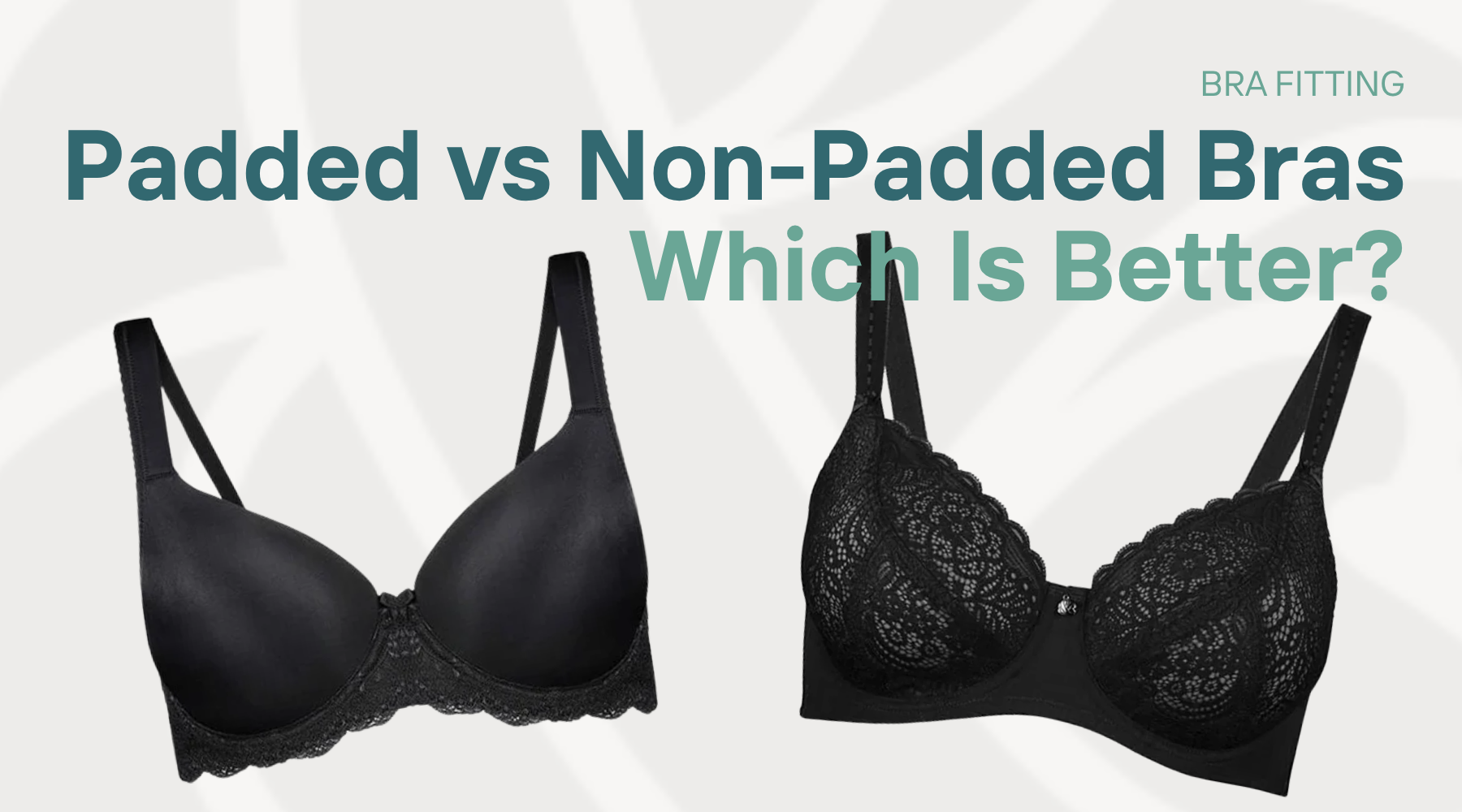
Padded bras are a good example. These styles are often designed with a fuller upper cup in mind, so they’re great for younger breasts, but when your volume sits lower, that space at the top can lead to gaping or a shape that doesn’t sit flush.
If you’re seeing gaping at the top of the cup, it’s usually a shape mismatch, not a size issue.
Lighter, more delicate bras can also struggle with softer boobs. They might look beautiful, but if they’re made from thin fabrics with minimal structure, they just can’t give you the support you need.
That’s often why those types of bras feel fine when you first put them on, but gradually become more uncomfortable and achy as the day goes on.
If that sounds familiar, you can read more in Why Does My Bra Feel Uncomfortable After a Few Hours?
Best Bra Styles for Ageing Breasts
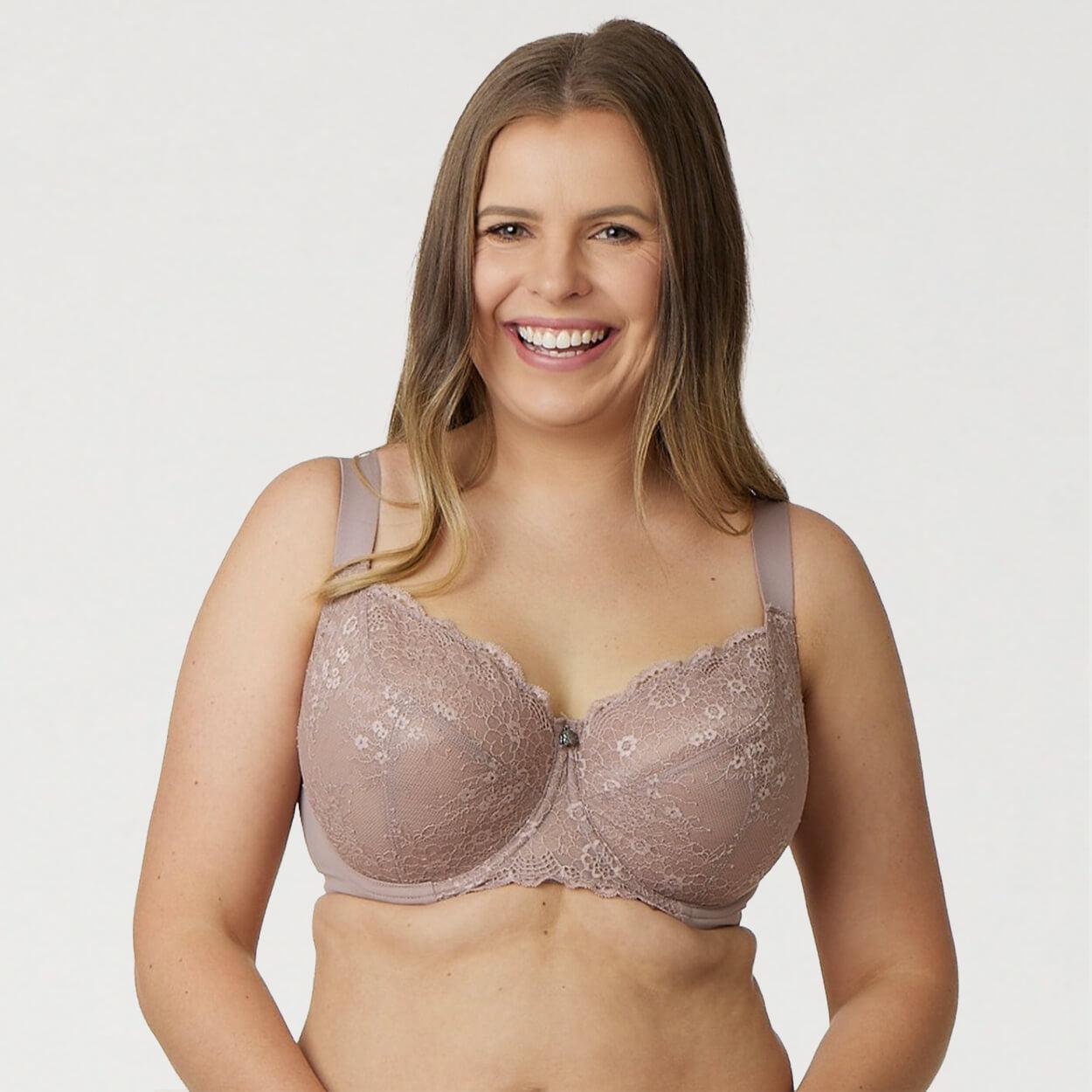
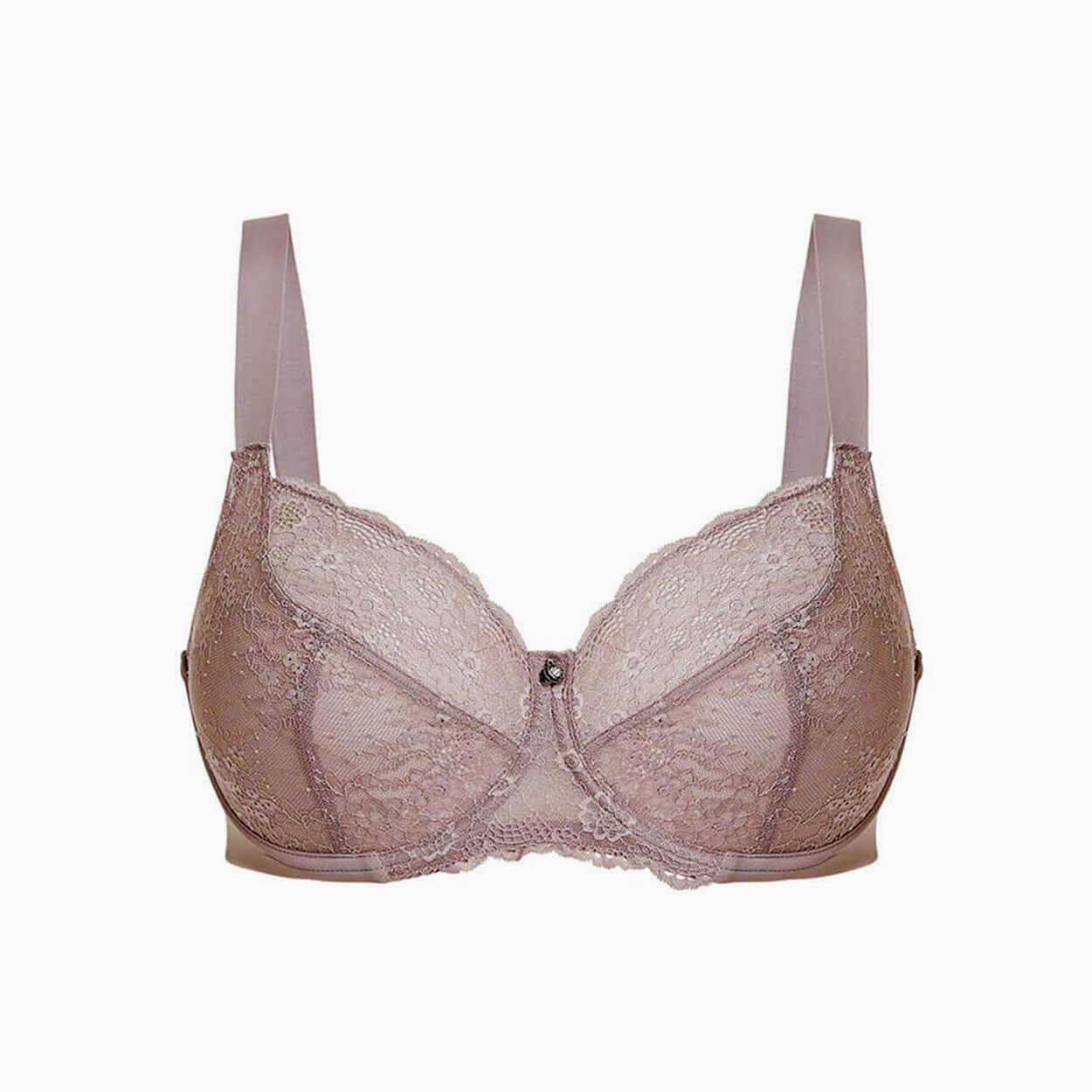
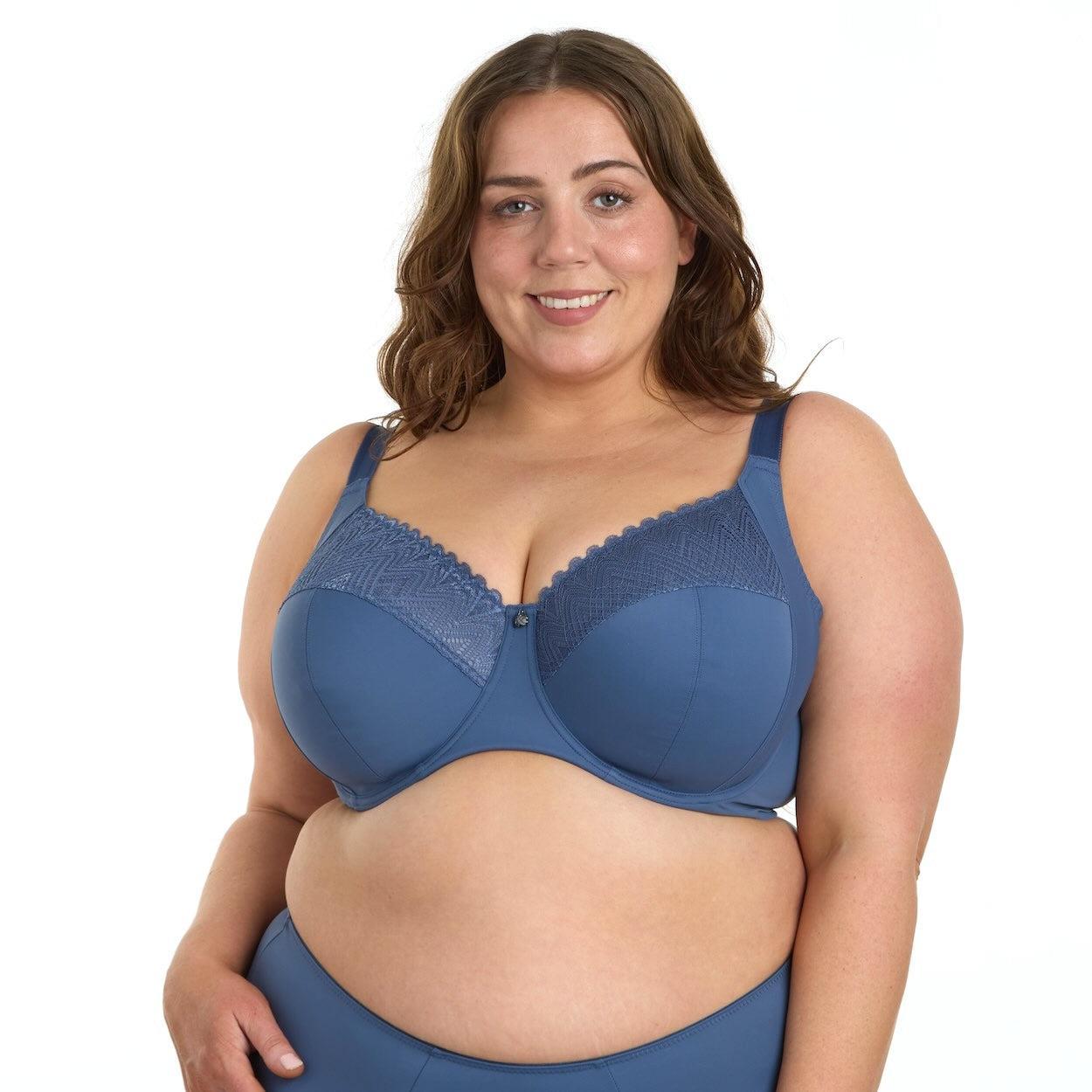
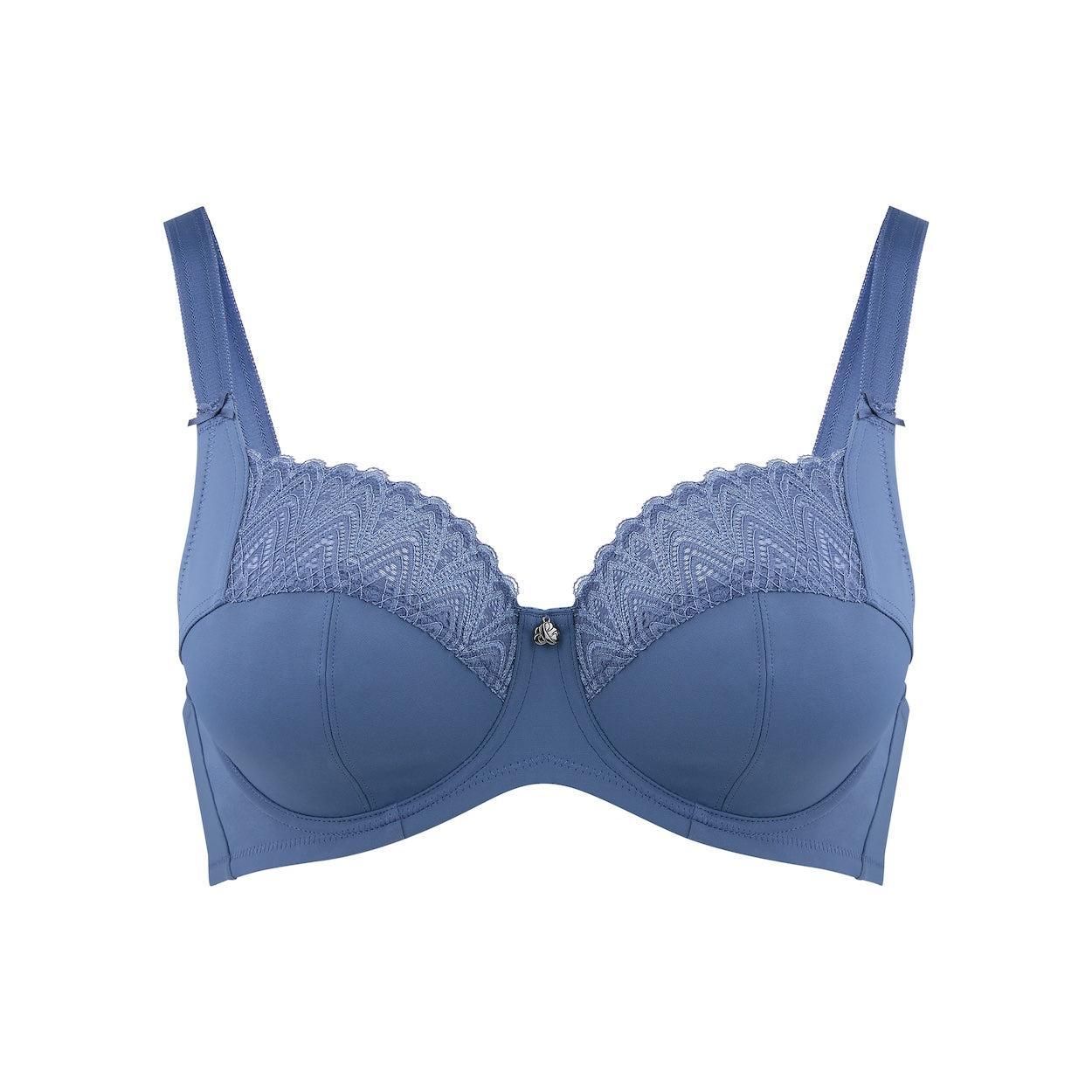
So, how do you find the best bra for saggier breasts? It’s all in the structure. A good bra spreads support across your body instead of concentrating it in one place. Look for a band that holds firm without digging in, cups that keep everything contained without gaping at the top, and side support that gives some extra shape, projecting you forward.
At Rose & Thorne, those features go into every one of our bras.
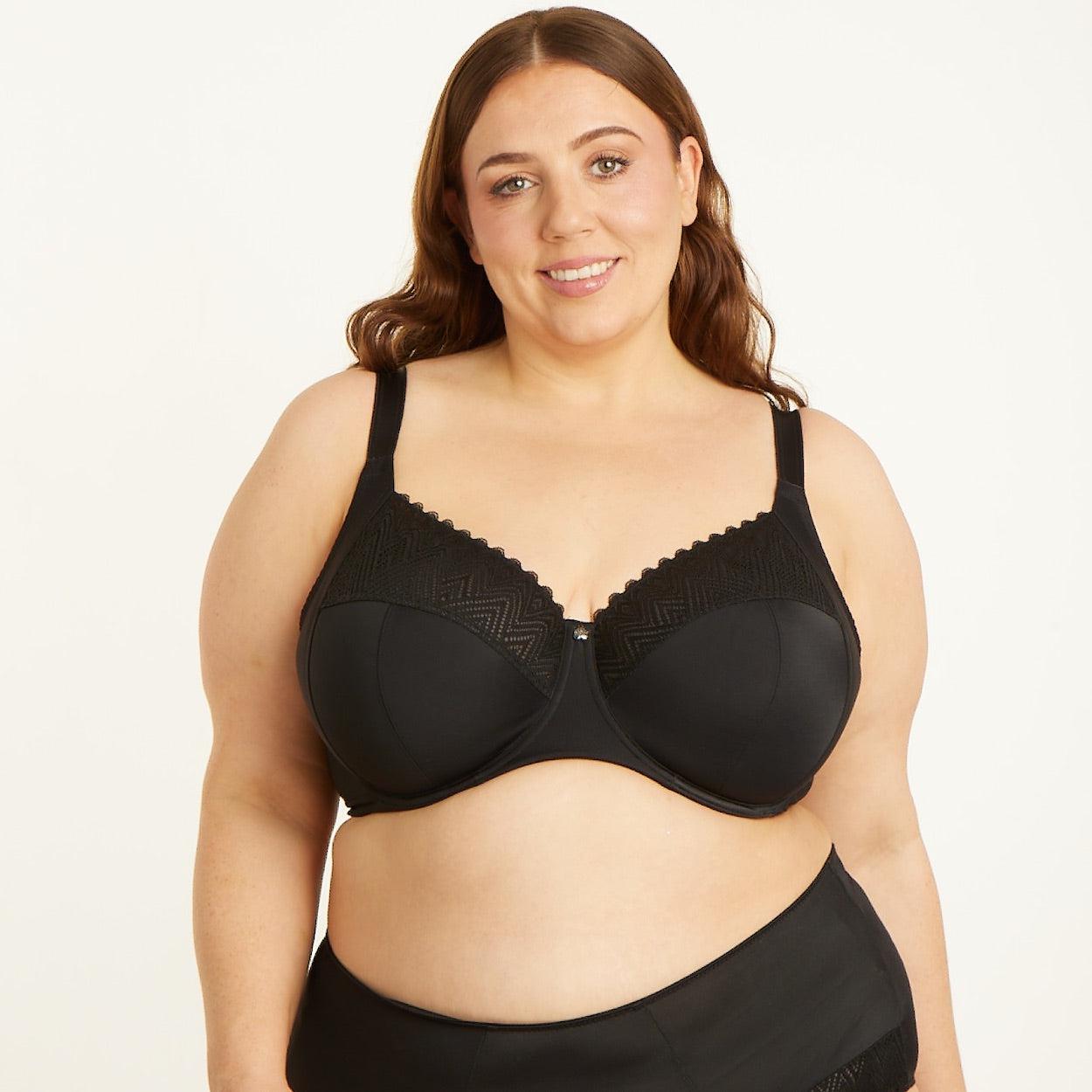
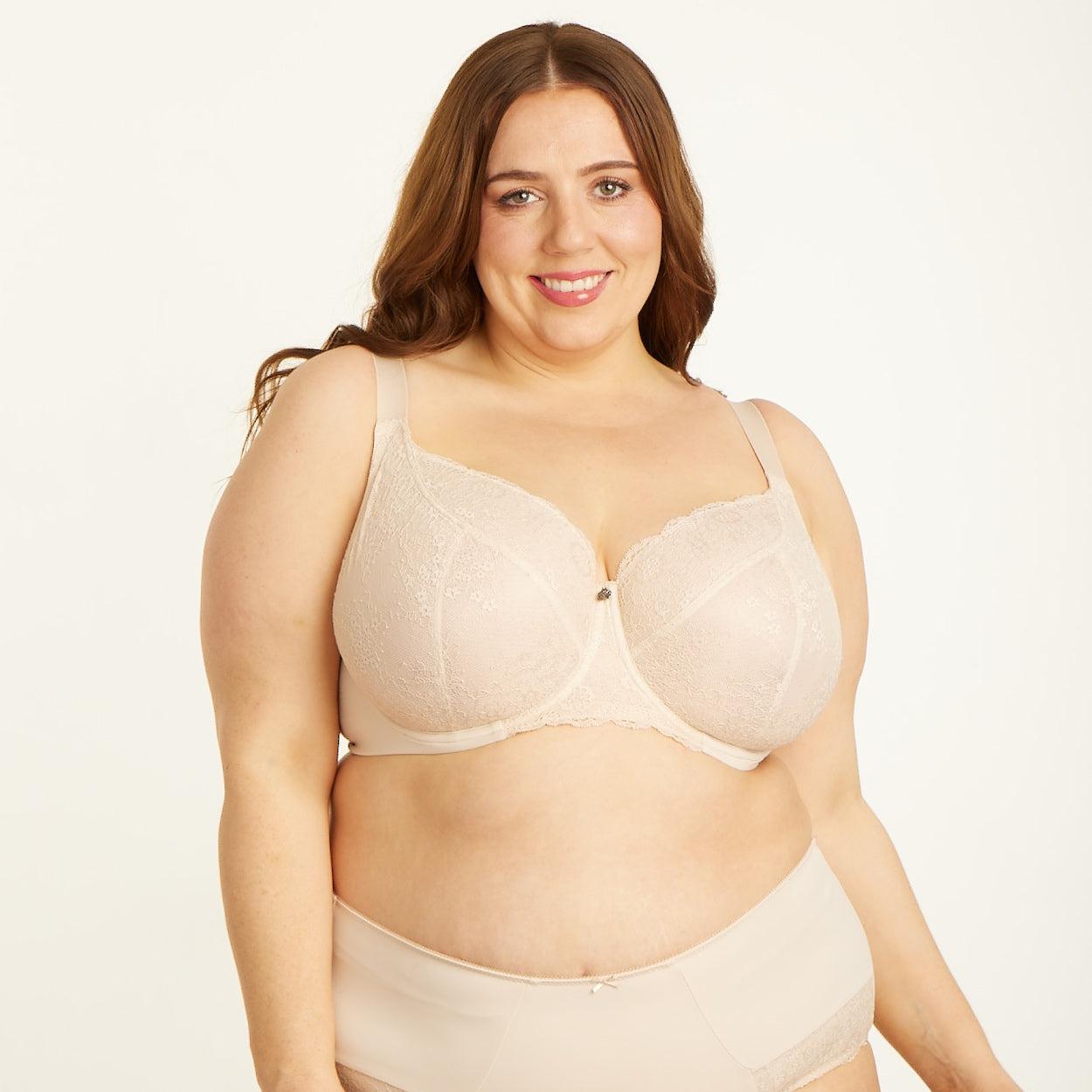
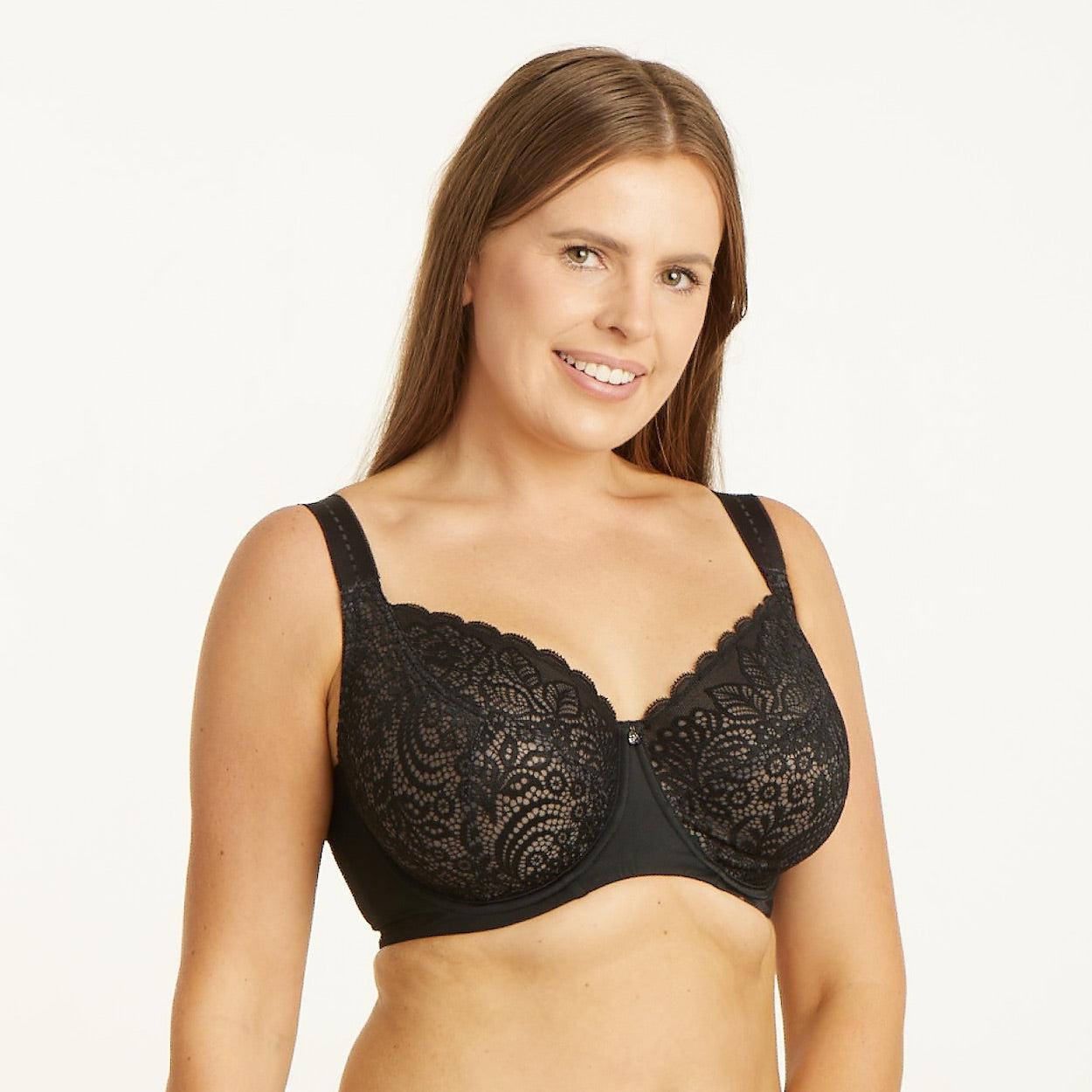
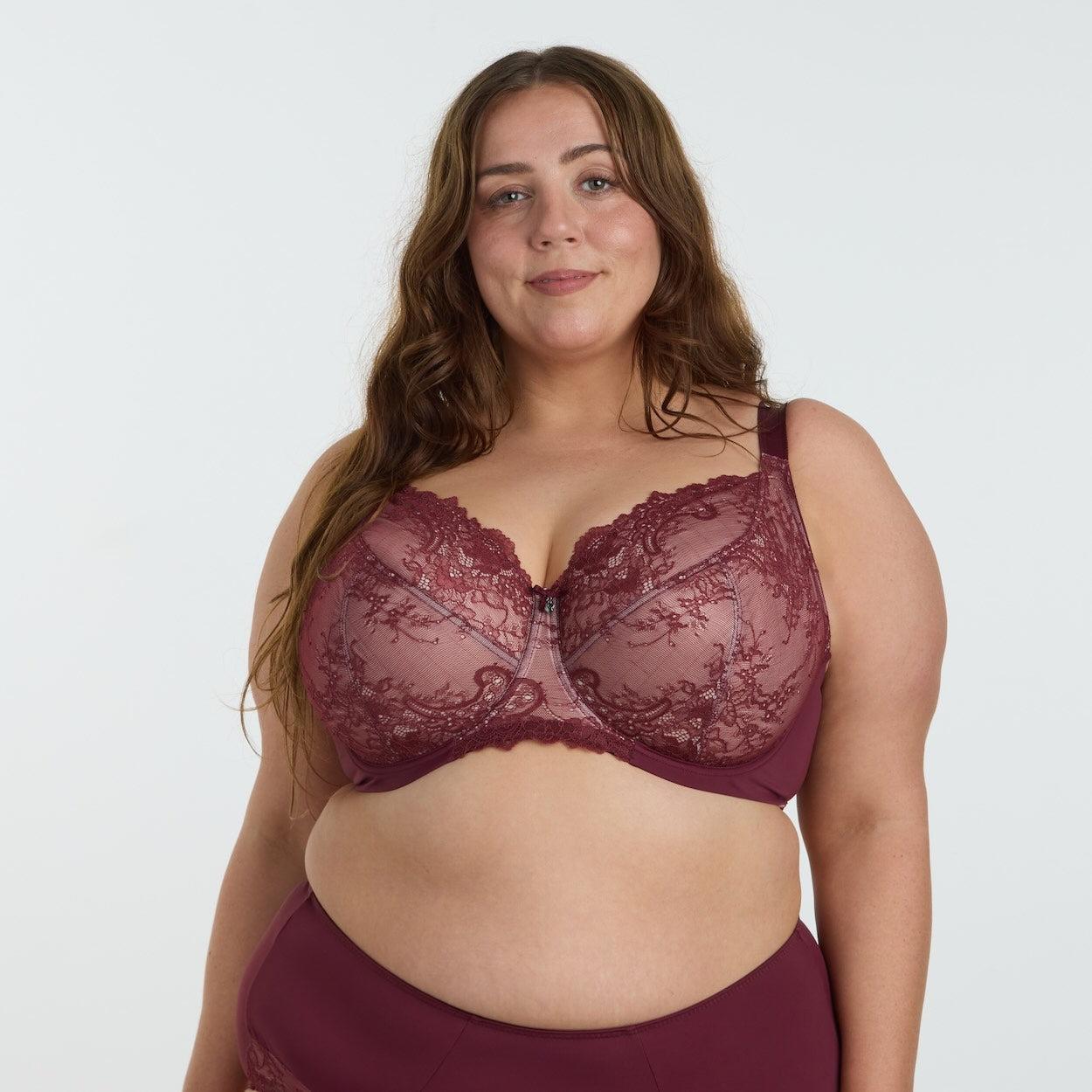
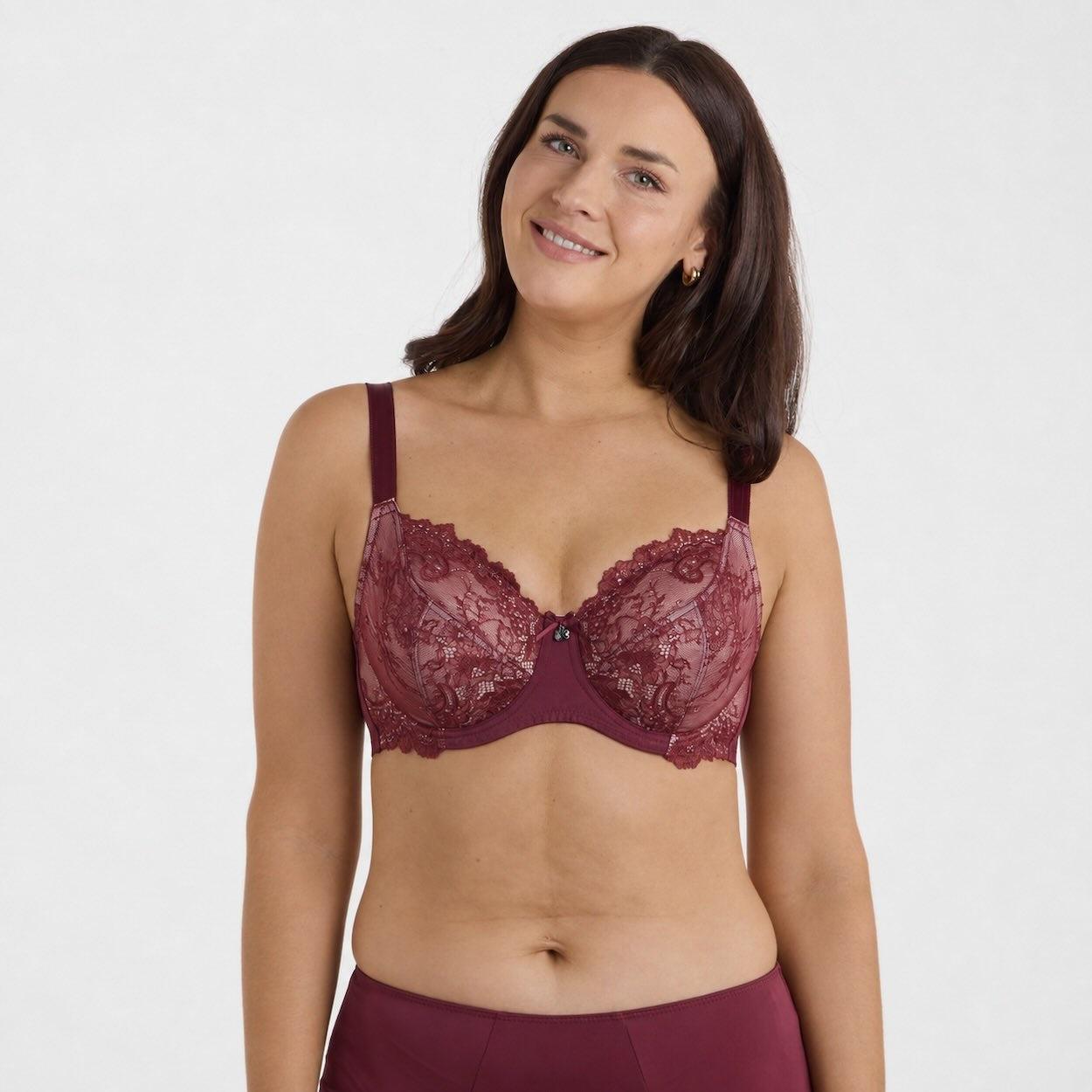
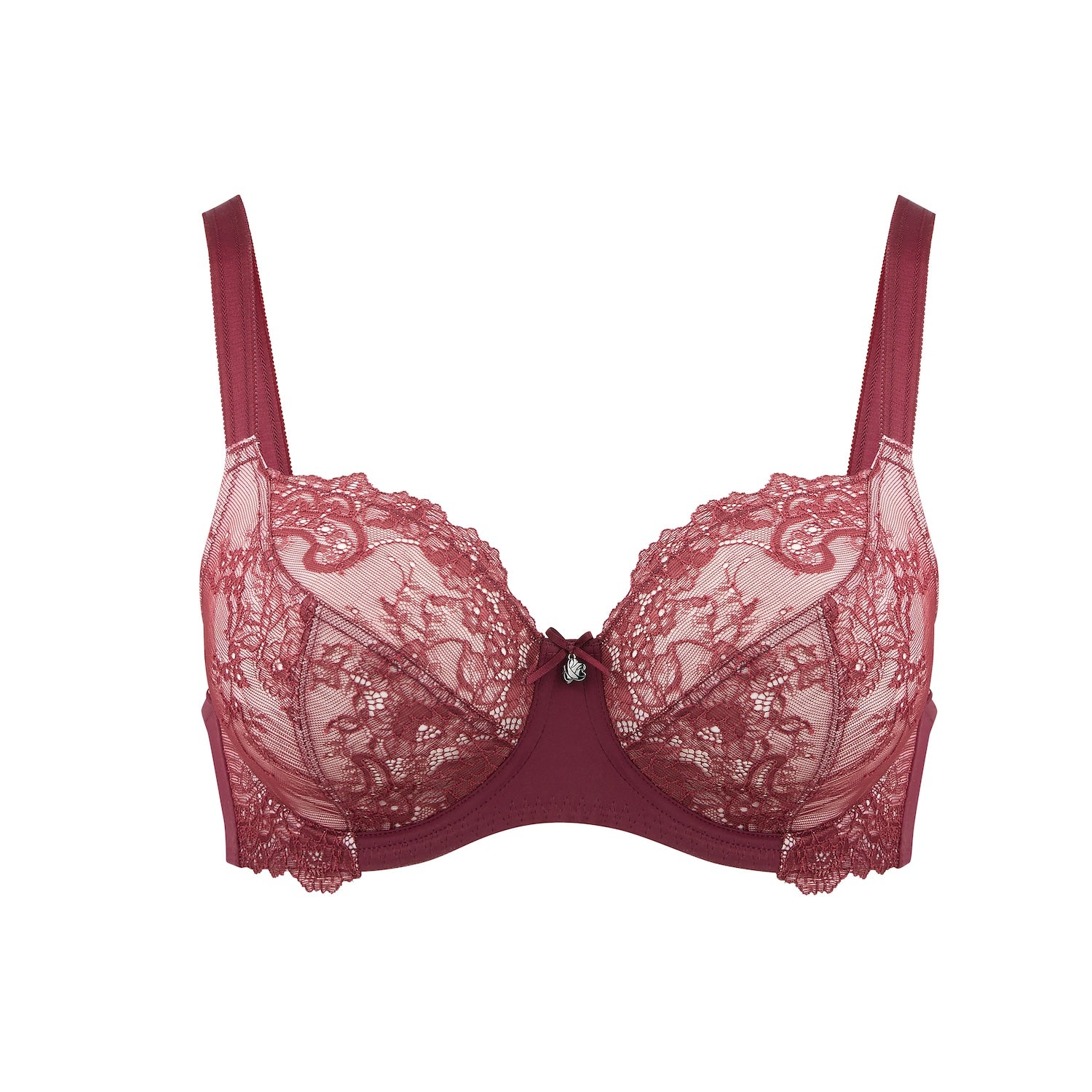
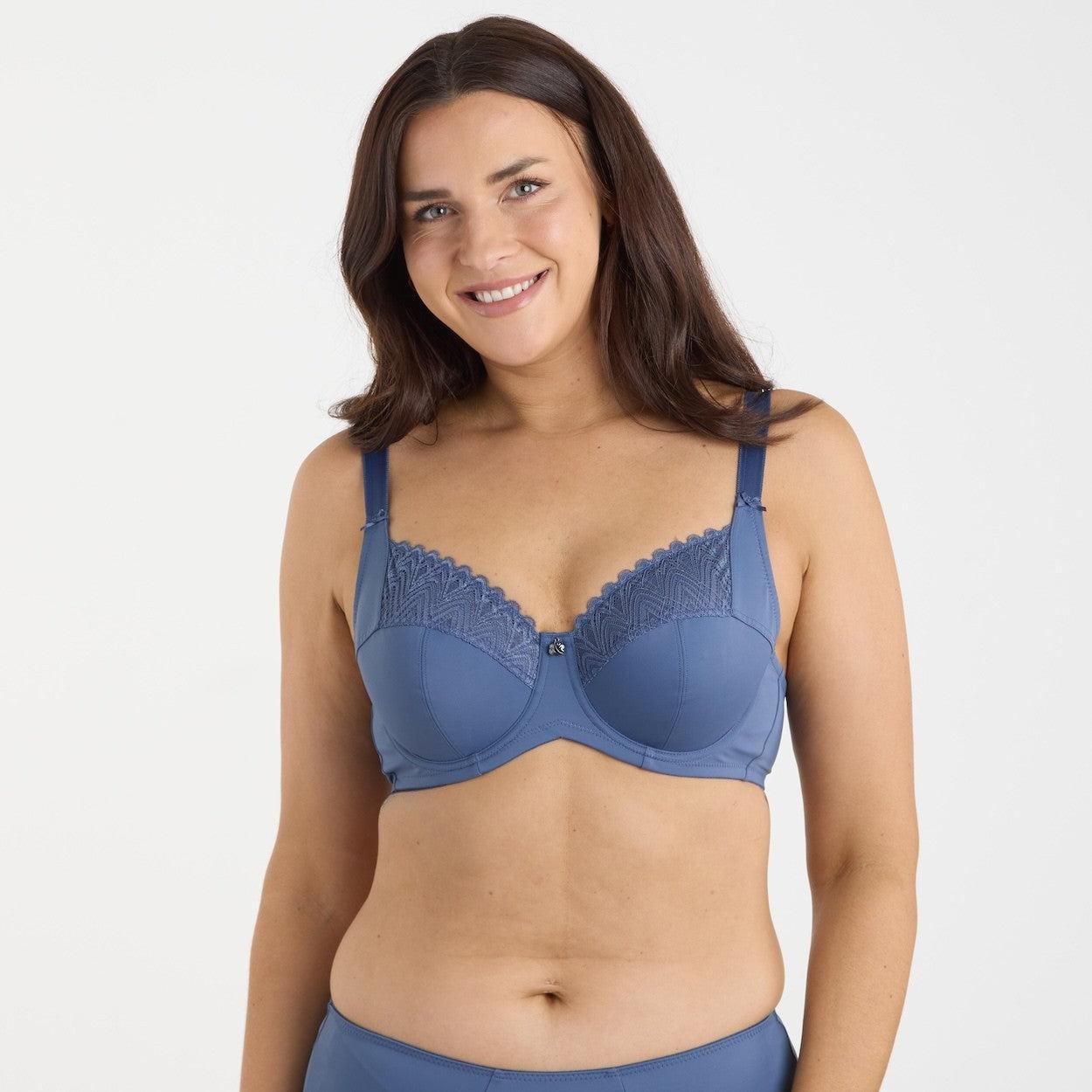
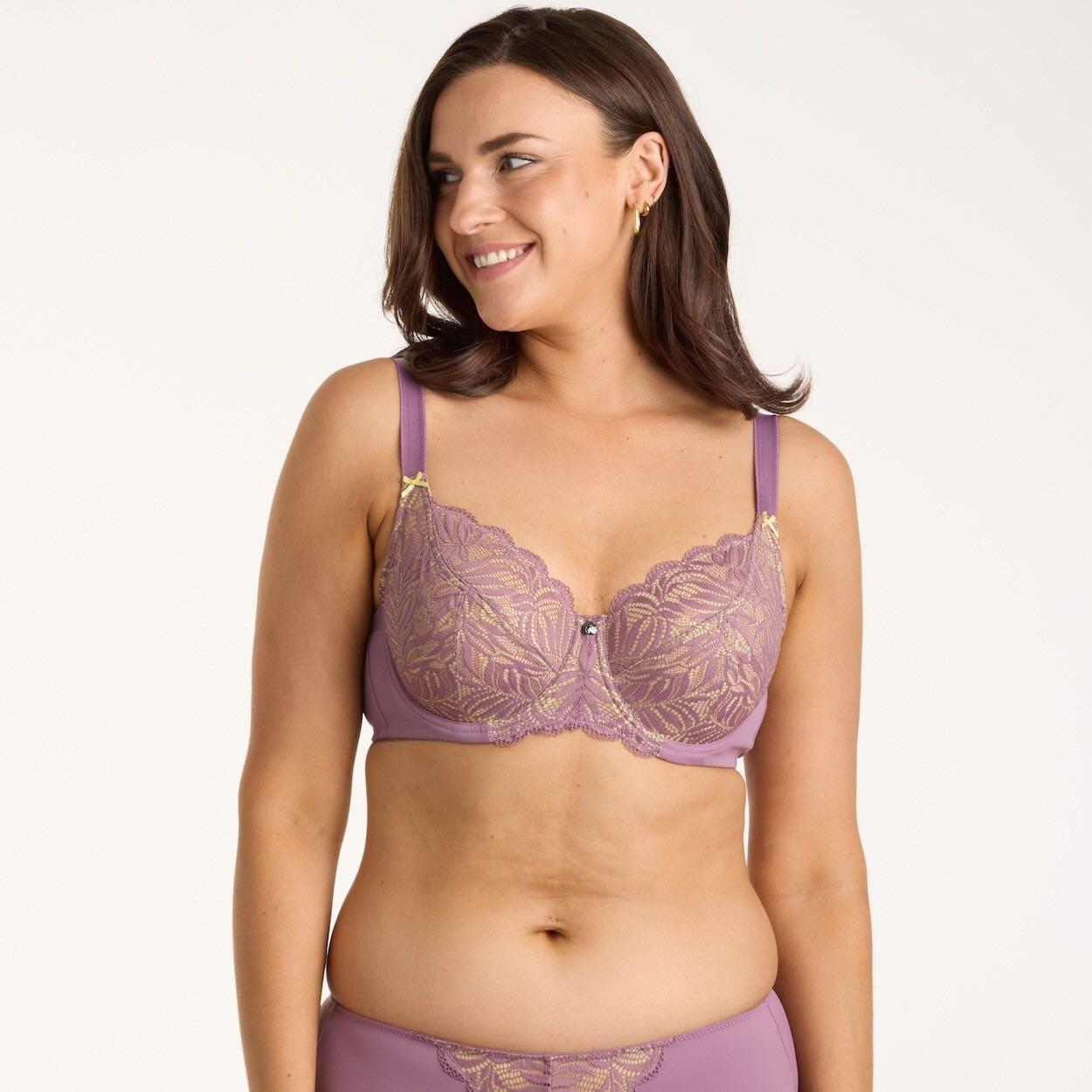
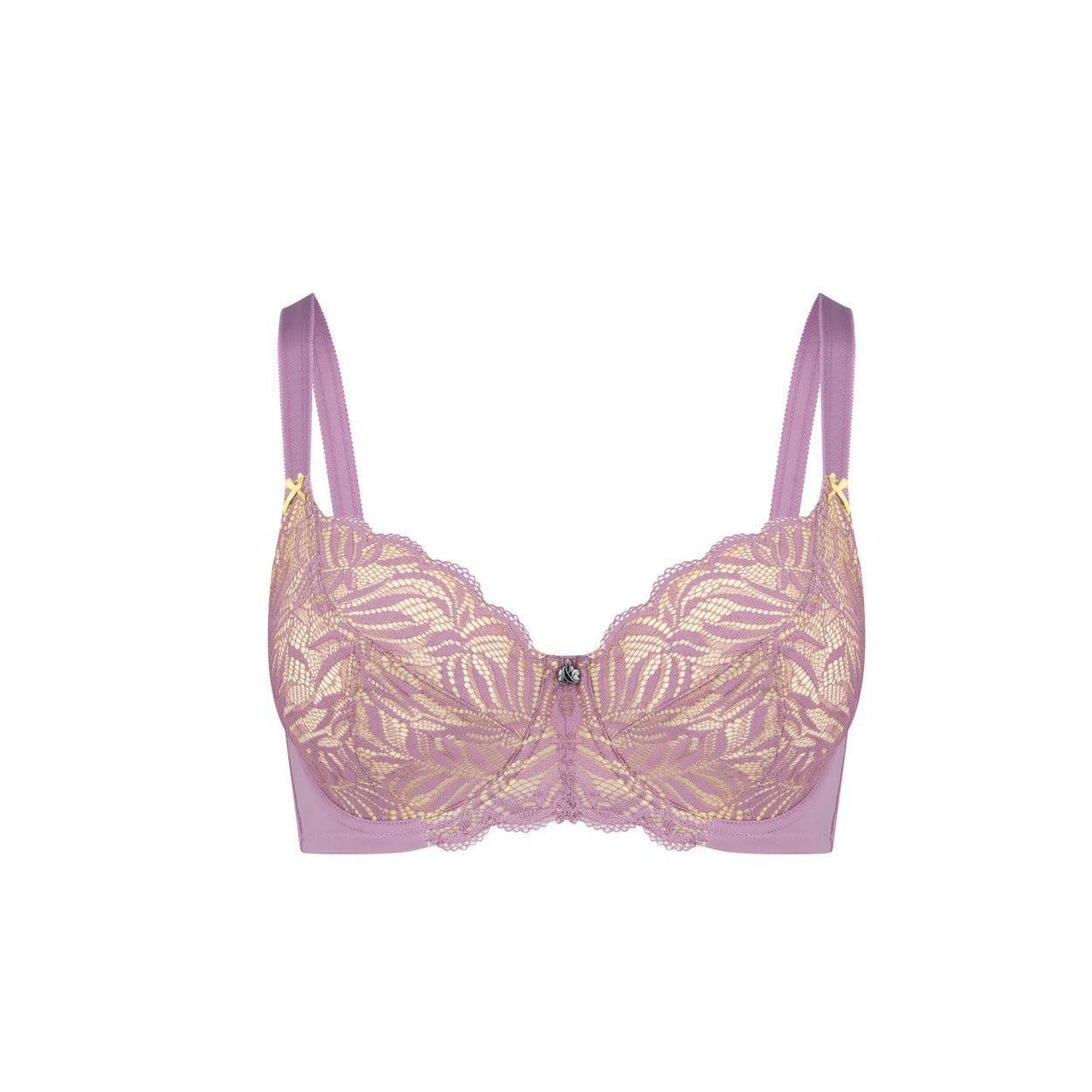
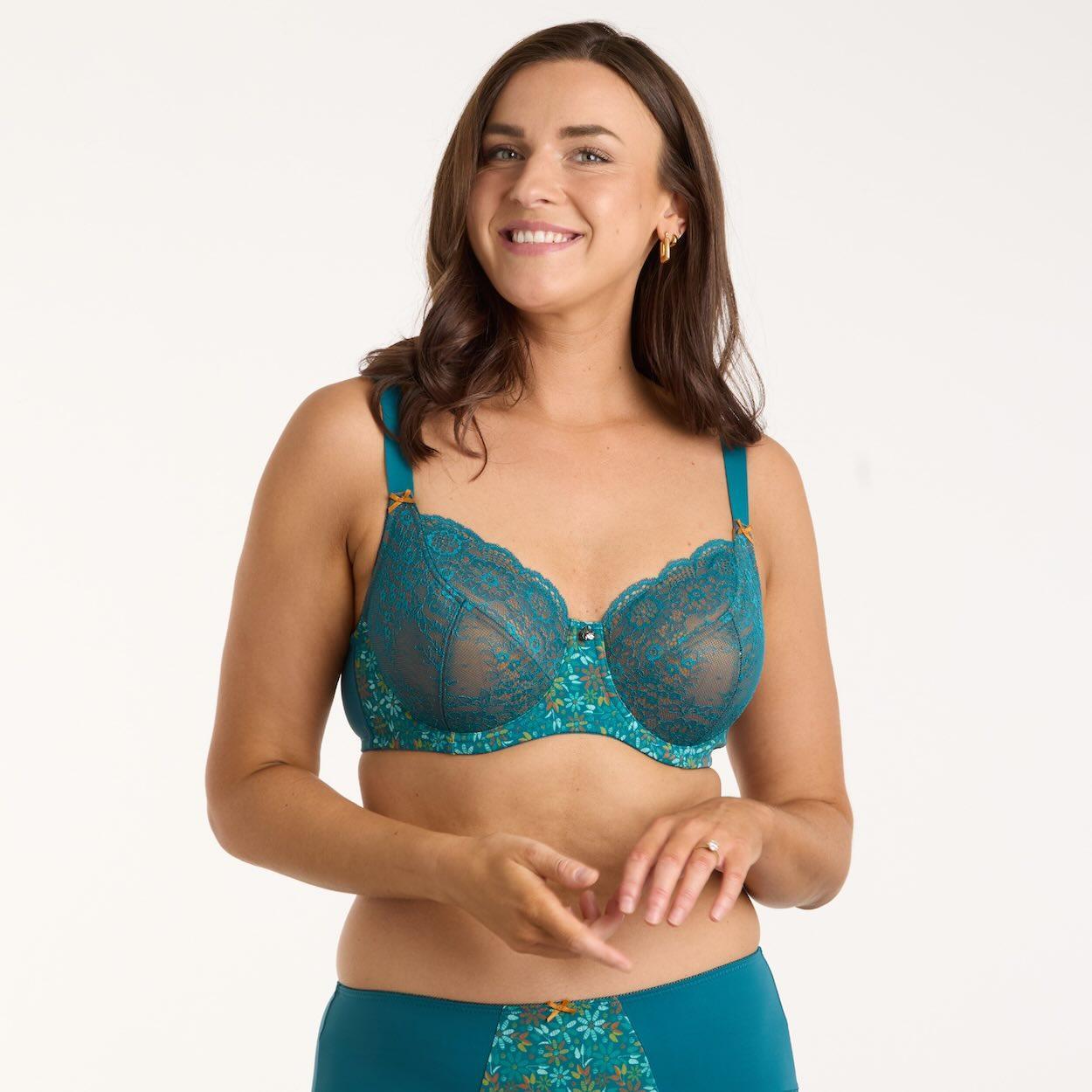
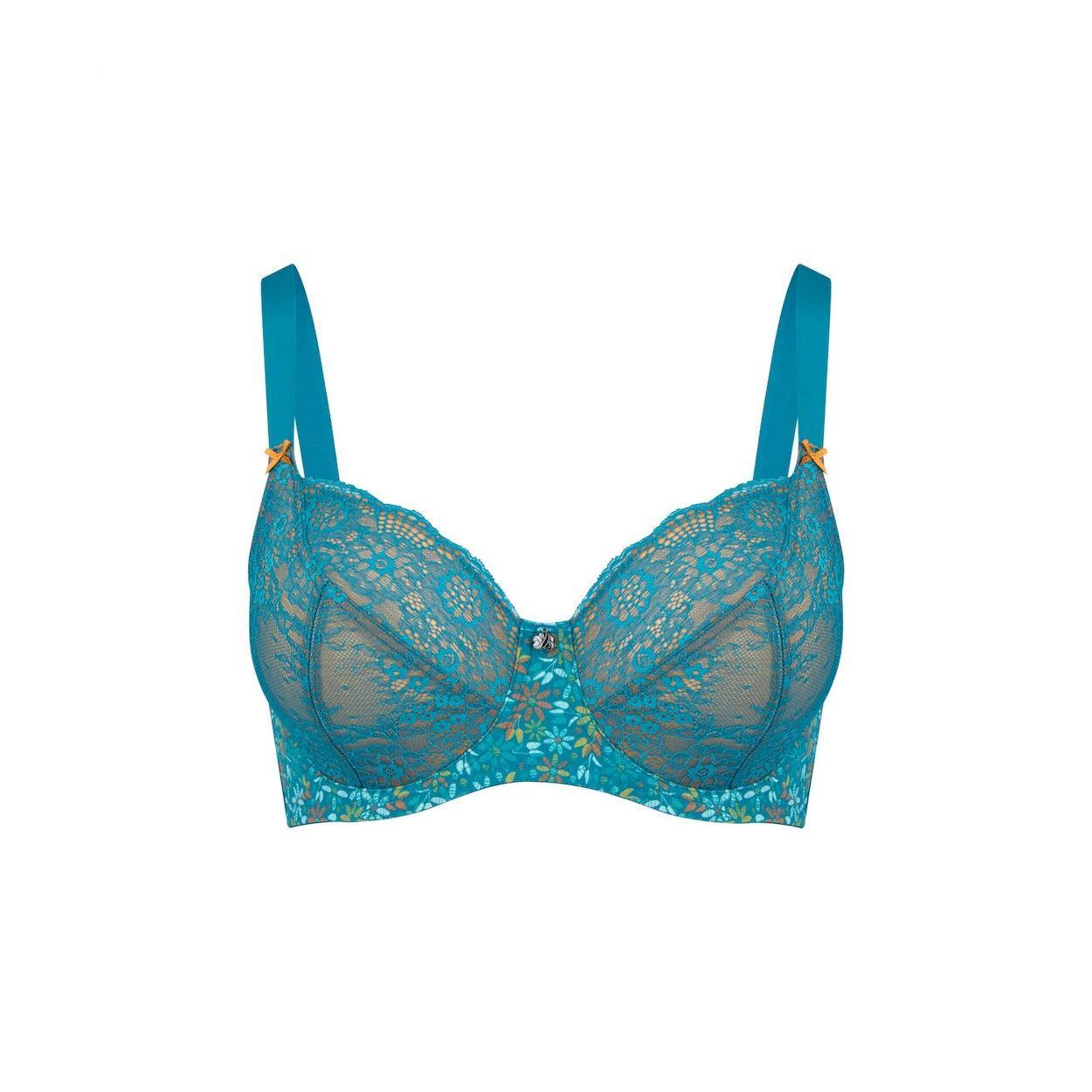
Our Full Cup bras are the category that all of our bras from C to G cup fall within. They offer depth, coverage, and side support that works well for all breasts of all shapes and fullness, with a cut that naturally supports volume that sits lower in the breast.
For large cup sizes, our Premium Support range runs from G to K and have an even stronger internal structure, designed to support the weight of heavier breasts without relying solely on the straps.
Our guide to Premium Support vs Full Cup is a helpful place to get a clearer sense of the difference, or if you’re bridging sizes, be sure to read Why G Cups Have Two Support Options (and How to Pick the Right One).
Shop Supportive Bras for Ageing Breasts
Your body getting softer over time is completely normal. It’s not something to fight, but it might mean you need to pick better bras that offer more support. But trust us, once you find the right fit, you’ll never look back.
If you’re ready to update your top drawer, explore new arrivals bras or our bras on sale to get started.
If you’re not quite sure where to start, our online bra fittings can help you talk it through with one of our bra gurus who have helped thousands of women across New Zealand and Australia find their match.
Life’s too short to be uncomfortable and unsupported. Invest in yourself.